🔍 Read the full analysis: How Gewerkton Used AI Agents To Rethink Its Look On A Two-Day Timeline on ThorstenMeyerAI.com

Get the latest gadgets delivered free — and shop member deals
- Fast, free delivery on millions of items
- Access to Prime Big Deal Days deals on October 6–7
- Prime Video, Amazon Music and more included
TL;DR
Gewerkton says AI coding agents carried out a redesign across its web app, mobile apps, Studio, icons and 40-language website on Oct. 2 and 3, 2026. The company says people approved the plans, reviewed results and controlled releases; visual checks also caught problems automated tests missed. The two-day execution built on a design draft from Sept. 26, and the publisher discloses that it built Gewerkton.
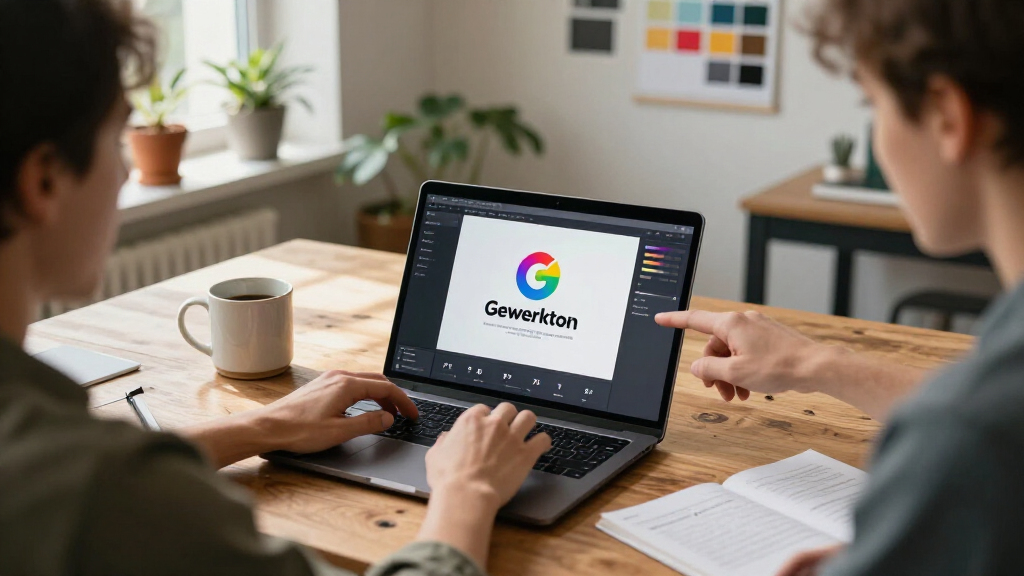
Construction-site documentation tool Gewerkton says it replaced the look of its web app, iPhone and Android apps, Studio, icons and website over Oct. 2-3, 2026, using AI coding agents to implement an approved plan, as described in the original analysis. The publisher says the agents handled the coding work, while founder Thorsten Meyer approved plans, inspected results and released each part; the two-day timeline began with an existing design draft, not a blank slate.
The redesign, named HORIZON, covered 281 hard-coded web-app colour values, which were moved to design tokens with 11 exceptions retained, and 47 restyled cards, as detailed in Gewerkton’s new-look coverage. Gewerkton also released mobile app version 0.5.0 in the new look, updated its Studio for light and dark modes, and re-rendered all 26 icons in Blender using cobalt and navy. The website spans 529 pages in 40 languages. The company says it uploaded 1,583 files without an error.
The website also received 228 AI film runs for five regions, 222 with regional versions, as well as eight help videos. Gewerkton says it stopped production after round nine when 38% of jobs were failing; 208 runs had been completed by then, and 76 failed jobs were not billed. The company reports an actual film-project cost of about $134, but the supplied account does not explain the accounting basis or whether that figure includes all redesign work.
According to Gewerkton, work began from a written plan listing open decisions, options and recommendations. Meyer approved the recommendations, and agents worked in a separate code copy on their own branch. Each part required his release before it was merged or delivered. Films showing the apps were held until he had reviewed the interface on Oct. 3, and paid film reruns also required his approval. Apple’s developer agreement presented another human-only step: the iPhone build remained blocked until Meyer accepted the latest Program License Agreement.
Field report / product redesign / Oct. 2–3, 2026
How Gewerkton Used AI Agents to Rethink Its Look on a Two-Day Timeline
A company-reported redesign across apps, Studio, icons and a 40-language website. Agents handled implementation from an approved plan; people reviewed the work and controlled releases.
One visual system, many surfaces
The HORIZON redesign reached customer-facing products and marketing media, building on a design draft dated Sept. 26.
Tokens replace scattered values
281 hard-coded colour values were moved into design tokens; 11 exceptions were retained. The team reports restyling 47 cards.
Apps move to version 0.5.0
The iPhone and Android apps adopted the new look. Studio was updated for both light and dark modes.
Icons and films at scale
All 26 icons were re-rendered in Blender in cobalt and navy. The 529-page, 40-language site received regional films and help videos.
Human gates shaped the agent workflow
Agents implemented scoped work in a separate code copy and branch. A person approved plans, inspected results and released each part.
Plan
Written options and recommendations made open decisions visible.
Approve
Thorsten Meyer approved recommendations before implementation began.
Build & inspect
Agents coded; tests and visual reviews checked apps, pages and media.
Release
Each part waited for human release. Paid film reruns also needed approval.
“After the first step, nothing was merged or delivered until Meyer had released that part.”
Publisher’s description of its release processAutomation caught some issues. Eyes caught others.
Reported test totals were strong, but visual inspection found interface and media details automated checks missed.
Broad test coverage
The web app was inspected in 200 views across four languages, three screen widths, and light and dark modes.
Details that needed a person
Dark mode: icon tiles obscured labels. Film recolouring: a mask missed red details. The team says nine regional runs were later reshot with approval and passed visual review.
Five major Pixel 10a findings were scheduled for 0.5.1. Larger type and padding made some camera-screen buttons break mid-word.
Eight failures across seven files were reported as pre-existing; one depended on test order and passed alone.
Fast delivery came with visible trade-offs
The figures below come from Gewerkton’s account. The reported film cost does not include a stated accounting basis.
| Area | Company-reported result | What remains unclear |
|---|---|---|
| Website assets | 1,583 files uploaded without error | Independent confirmation is not provided. |
| Regional films | 228 AI film runs for five regions; 222 had regional versions, plus eight help videos. | Nine runs with red details were reshot; remaining versions temporarily used the European cut. |
| Film production | Stopped after round nine when 38% of jobs were failing. 208 runs completed; 76 failed jobs were not billed. | The source does not explain the cost accounting or compare with another production method. |
| Reported cost | About $134 for the film project | It is unclear what the figure includes or whether it covers redesign work beyond films. |
| iPhone release | Build paused until the latest Apple Program License Agreement was accepted. | This human-only dependency had no agent workaround. |
Two days describes execution, not the whole design journey
An interim design draft existed on Sept. 26. The reported sprint ran Oct. 2–3, from an approved plan to the live website.
Not a blank slate
The timeline excludes earlier design development and does not quantify human planning or review hours.
First-party report
The publisher built Gewerkton. Its schedule, quality, test, upload and cost figures are not independently audited here.
Some work remained
The source gives no date for mobile version 0.5.1 or confirmation that every regional film correction shipped.
What the report says—and leaves open
A quick guide to the central claims and their limits.
Was the design created from scratch in two days?
No. Gewerkton says it carried forward a Sept. 26 design draft. Two days refers to the reported execution through the live website.
Did agents make decisions and publish everything?
The publisher says agents implemented approved plans. Meyer approved recommendations, reviewed results and released each part; he also approved paid film reruns.
What problems were found?
Visual checks found dark-mode labels covered by icon tiles and red details missed by a film mask. An Android button-wrap issue was slated for 0.5.1.
How much did film work cost?
The company reports about $134 for the film project and says 76 failed jobs were not billed. The source does not define what the cost includes.
Human Gates Shaped the AI Redesign
The account offers a concrete example of AI agents being used for a multi-product software and marketing redesign, rather than a single code change. Its central operational detail is the division of work: agents implemented approved plans, while a human made decisions, checked results and controlled releases. That distinction matters for readers weighing claims that AI can compress product work into a short schedule: this was not an unsupervised redesign.
The reported checks also show why automated tests alone may not be enough for interface and media changes. Gewerkton says tests passed across its apps and website, but a visual review caught icon tiles that obscured labels in dark mode and red details missed by a film-recolouring mask. Those examples illustrate the value of pairing automated checks with human visual inspection, especially where brand appearance and accessibility are involved. The company’s report is a first-party account, not an independent audit of time savings, cost or quality.
As an affiliate, we earn on qualifying purchases.
A Draft Preceded the Two-Day Sprint
The phrase “two days” refers to execution from an approved plan to the live website, according to the source account. An interim design draft dated Sept. 26 was carried into the Oct. 2-3 work, so the timeline does not include all design development. Gewerkton is built in Iffeldorf, Bavaria, by Thorsten Meyer, who says he directs a fleet of AI coding agents from Codex and Claude.
The publisher disclosure is material: Gewerkton is built by the publisher, which says it develops the product and documents what it learns. Its numbers and descriptions therefore come from an interested party. The account says the web app was inspected in 200 views across four languages, three screen widths and light and dark modes. It reports 853 of 853 mobile-app tests and 2,158 of 2,158 Studio tests passing, alongside seven of seven website test suites. These are company-reported results, not independently verified findings.
“The two days cover the execution, from the approved plan to the live website.”
— ThorstenMeyerAI.com, the publisher of Gewerkton
As an affiliate, we earn on qualifying purchases.
Independent Verification Is Not Provided
The account does not provide independent confirmation of the two-day schedule, test results, upload count or cost. It also does not break down the reported $134 film cost or give a comparison with a human-led production. The source describes the agents’ implementation role but does not quantify how much work was completed by each system or how many hours Meyer and other people spent planning and reviewing.
Gewerkton reports eight failing web-app tests across seven files. It says six files fail in the same way on the main branch and one failure depends on test order and passes when run alone; the redesign did not cause or resolve them. The account does not include an independent assessment of whether all remaining defects, accessibility needs or regional film versions have been addressed. Its claims should be read as the company’s description of its own project.
As an affiliate, we earn on qualifying purchases.
Mobile Fixes Are Planned for 0.5.1
Gewerkton says five major findings from an Android test on a Pixel 10a were scheduled for version 0.5.1, with none considered a blocker. One reported issue involved camera-screen buttons breaking mid-word after larger type and padding were introduced; the German cancel label now wraps to two lines. The source does not give a release date for that version.
The company says nine regional film runs that retained red details were later reshot with Meyer’s approval and passed visual review. It also says the remaining versions were temporarily replaced with the European cut. Further confirmation would be needed to establish when all regional films are corrected and whether the planned mobile fixes have shipped.
multilingual website translation tools
As an affiliate, we earn on qualifying purchases.
As an affiliate, we earn on qualifying purchases.
Key Questions
What did Gewerkton change in the redesign?
According to the company, the HORIZON redesign covered its web app, iPhone and Android apps, Studio, 26 icons and a 529-page website in 40 languages. The website also received regional film runs and help videos.
Was the design created from scratch in two days?
No. Gewerkton says an interim design draft from Sept. 26 was carried into the Oct. 2-3 execution. The two-day claim covers work from the approved plan to the live website.
Did AI agents make all the decisions and publish the work?
The publisher says agents implemented work from written plans, but Thorsten Meyer approved the plans and released each part. He also reviewed app-related films and approved paid reruns. Apple’s license agreement had to be accepted by him for the iPhone build to proceed.
What problems did the team find?
Visual review found icon tiles covering labels in dark mode and red details missed by an automated film mask. Gewerkton also reported an Android camera-screen button-wrapping issue and eight web-app test failures that it says were not caused by the redesign.
How much did the film work cost?
The source account gives an actual cost of about $134 for the film project, but does not explain what the figure includes or compare it with another production method. Gewerkton says 76 failed jobs were not billed.
Source: ThorstenMeyerAI.com
Halloween Picks
halloween
As an affiliate, we earn on qualifying purchases.