
📊 Full opportunity report: The High-End PC And Workstation Tax on ThorstenMeyerAI.com — validation score, market gap, and execution plan.

Get the latest gadgets delivered free — and shop member deals
- Fast, free delivery on millions of items
- Access to Prime Big Deal Days deals on October 6–7
- Prime Video, Amazon Music and more included
TL;DR
In 2026, memory costs have skyrocketed, making high-end PC and workstation builds more expensive. DIY builders face greater market exposure, and prebuilt options may now be cheaper or more practical. The market shift impacts planning and procurement strategies.
In 2026, the cost of memory components for high-end PCs and workstations has surged dramatically, with memory now representing up to 35% of a system’s bill of materials, according to HP’s investor reports. This shift has made DIY building less cost-effective and increased reliance on prebuilt systems, marking a fundamental change in the PC market landscape.
Memory prices have increased sharply in 2026, with a 32GB DDR5 kit costing around $369—comparable to high-end GPUs and surpassing CPU and SSD costs. If you’re considering a custom build, you might want to explore whether Build vs Buy a Prebuilt AI Workstation is the right choice for your needs. This rise is driven by supply shortages and market demand, especially for high-capacity modules used in professional workstations and servers.
Traditionally, building your own PC saved money, but now bulk OEM purchasing and inventory hedging have allowed prebuilt systems to sometimes be cheaper than sourcing individual parts retail. Learn more about your options in Build vs Buy a Prebuilt AI Workstation. This inversion impacts DIY enthusiasts, who face higher market exposure without the same buying power or inventory buffers.
Workstation components, especially high-capacity DDR5 RDIMMs (96GB and 128GB modules), are in especially short supply and command steep premiums—potentially doubling in price by late 2026 compared to early 2025. Lead times are also extending, complicating procurement for professionals needing large memory capacities. For those considering their options, see the guide on Build vs Buy a Prebuilt AI Workstation.
Memory pricing has become unpredictable, behaving more like a stock market with fluctuating weekly prices driven by large orders, currency shifts, and inventory levels. This volatility forces a shift in purchasing strategies, emphasizing timing, bundling, and staged upgrades.
The high-end PC & workstation tax
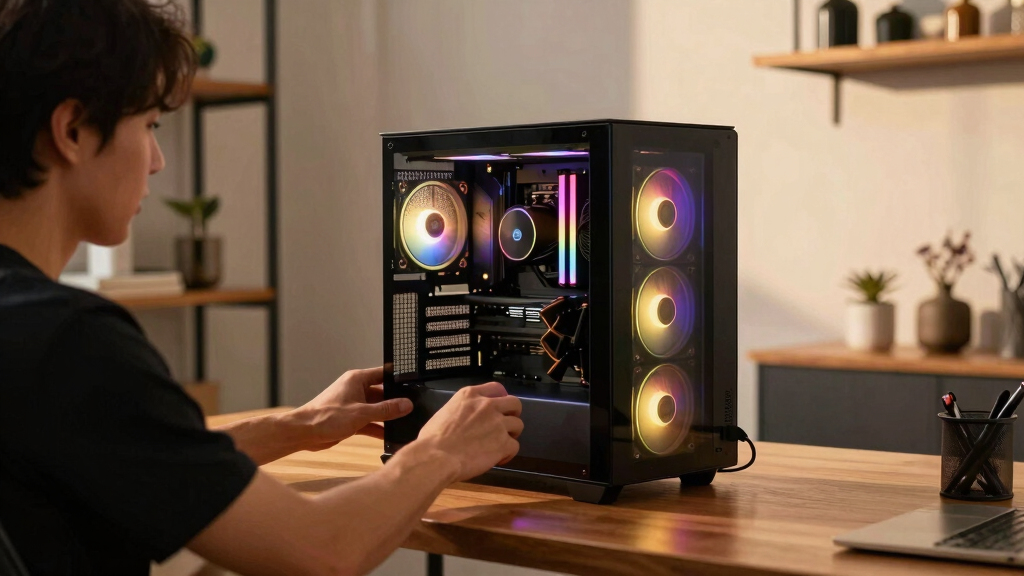
If you build your own machines or spec your team’s workstations, you’re the most exposed buyer in this market — no hedge, no bulk contract, just a parts cart and a number you used to ignore, now the biggest line on the invoice.
OEMs buy on bulk contracts and hold hedged stock; you pay the spot price on the day. The DIY builder is now the most exposed buyer in the chain — and the prebuilt is sometimes cheaper. Price it before you commit.
96GB & 128GB DDR5 RDIMMs are the scarcest, closest to the server memory makers prioritize. 64GB RDIMM could cost 2× by end-2026 vs early 2025. The parts that define a workstation are the ones squeezed hardest.
The squeeze didn’t just raise prices — it inverted the value system of high-end building. Buy big, buy early, build it yourself: each enthusiast virtue is now a way to overpay. Discipline beats ambition in 2026 — right-size hard, buy deliberately, lean on bundles, treat the prebuilt as a real price check. You can’t avoid the AI tax levied a layer up in the fabs; you can refuse to pay more of it than the job needs. Next: Cloud’s Hidden Memory Bill.
Impact on High-End PC and Workstation Construction
This market shift fundamentally alters the economics of high-end PC and workstation building. DIY builders now face higher costs and greater market volatility, which can negate previous cost-saving advantages. Professionals and enthusiasts must adapt procurement and upgrade strategies to manage the steep and unpredictable memory prices, influencing overall system planning and budgeting.
As an affiliate, we earn on qualifying purchases.
2026 Memory Market and Historical Trends
Over the past two decades, memory has been a relatively stable and affordable component, enabling hobbyists and professionals to build and upgrade systems affordably. However, the 2026 memory crunch, driven by supply chain constraints and increased demand from enterprise and server markets, has reversed this trend. OEMs have secured bulk supplies and inventory hedging, while retail buyers face spot market volatility, making individual sourcing more expensive and risky.
This shift is part of a broader series examining the 2026 memory crunch, which has now reached the high-end PC and workstation segments, where high-capacity modules are essential for demanding workloads.
“Memory prices have doubled for high-capacity modules over the past year, significantly affecting workstation and server markets.”
— HP investor report
high-capacity DDR5 RDIMM modules 96GB
As an affiliate, we earn on qualifying purchases.
As an affiliate, we earn on qualifying purchases.
Uncertainties in Market Trends and Supply Recovery
It remains unclear how long the memory shortages and high prices will persist. Market analysts suggest that supply constraints could extend into late 2026 or beyond, but the pace of production ramp-up and new memory technologies could alter this trajectory. The full impact on pricing stability and availability for the remainder of 2026 is still developing.
As an affiliate, we earn on qualifying purchases.
Strategies for Managing Memory Costs in 2026 Builds
Builders and procurement managers should focus on right-sizing memory capacity, leveraging bundles for better pricing, staging upgrades to avoid peak prices, and considering prebuilt options as benchmarks. Monitoring market trends and locking prices through reservations or bulk deals will be crucial as the year progresses. Further supply chain developments and new memory tech releases could influence future pricing and availability.
As an affiliate, we earn on qualifying purchases.
Key Questions
Why are memory prices so high in 2026?
Memory prices have surged due to supply shortages, increased demand from enterprise and server markets, and limited manufacturing capacity, creating a tight market and driving costs higher.
Does this mean building a high-end PC is no longer cost-effective?
For DIY builders, higher memory costs may negate previous savings, making prebuilt systems or strategic purchasing more attractive. Careful planning and staged upgrades are advised.
Will memory prices go down later in 2026?
The market remains volatile, and it is uncertain when supply will stabilize. Prices could remain high or fluctuate unpredictably depending on supply chain recovery and new manufacturing capacities.
What should professionals do to manage costs?
Professionals should consider bulk buying, locking in prices early, and staging memory upgrades to avoid peak prices. Monitoring market signals and using bundled deals can also help control expenses.
Source: ThorstenMeyerAI.com
Halloween Picks
halloween
As an affiliate, we earn on qualifying purchases.