
📊 Full opportunity report: Software-Defined Warfare: How Ukraine’s Delta Turned the Battlefield Into a Shared, Real-Time Map on ThorstenMeyerAI.com — validation score, market gap, and execution plan.
TL;DR
Ukraine has deployed Delta, a cloud-based, browser-accessible battlefield management system, revolutionizing real-time combat coordination. It fuses diverse data sources to provide a shared operational picture, exemplifying software-defined warfare.
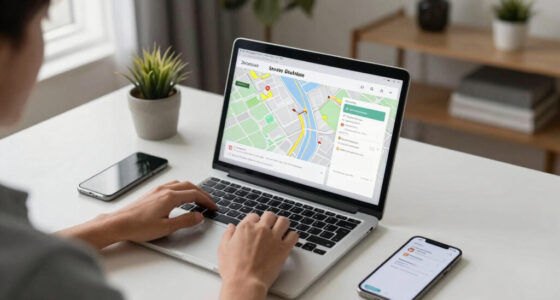
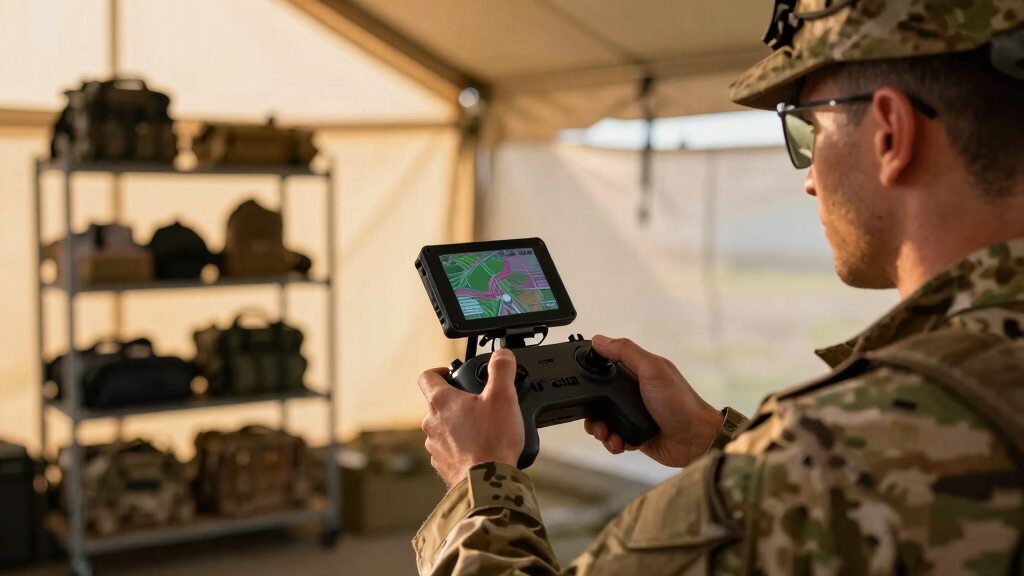
Ukraine’s military has introduced Delta, a cloud-native, browser-based battlefield management system, to enhance real-time situational awareness and operational efficiency amid ongoing conflict. This innovative system enables frontline soldiers and commanders to access a fused, geolocated battlefield picture directly on their devices, without reliance on specialized hardware.
Delta integrates inputs from drones, satellites, sensors, and civilian reports, creating a comprehensive, live map of enemy positions and battlefield conditions. Developed collaboratively by Ukraine’s NGO Aerorozvidka, the Defense Ministry’s innovation center, and the Ministry of Digital Transformation, it runs on commodity hardware such as phones, tablets, and laptops, connected to a secure, cloud-hosted backend. This approach allows rapid updates, widespread access, and resilience against cyber or missile attacks, as the cloud infrastructure is hosted outside Ukrainian territory.
Ukraine’s Defense Ministry claims Delta helped identify around 1,500 enemy targets daily during the early counteroffensive near Kyiv, though these figures are self-reported and unverified independently. The system’s design shortens the decision cycle by linking reconnaissance, identification, and response, enabling faster and more coordinated military actions. The end goal, according to officials, is a continuous drone swarm along the front, coordinated through Delta’s digital fabric.
Software-defined warfare: how Ukraine’s Delta turned the battlefield into a shared, real-time map
A soldier opens a browser and sees the fused war — drones, satellites, sensors and vetted reports on one live map. The backend is a cloud deliberately hosted abroad so a missile can’t take it down. The clearest case yet of treating warfare as software.
Optical sensors go blind in cloud & dark; an all-weather SAR radar layer — the kind VigilSAR produces — slots into a picture like this as one resilient, sovereign input. vigilsar.com · And note the paradox: to survive missiles & cyberattack, Ukraine hosted its crown-jewel cloud outside its own borders — trading physical sovereignty for operational survivability. Resilience through distribution.
Delta’s lasting lesson isn’t a piece of software — it’s a model of how to build: commodity clients, cloud backend, open standards, relentless iteration, fusion over hardware, and resilience through distribution. It’s why a wartime NGO out-shipped procurement bureaucracies on a fraction of the budget. The platform mattered less than the picture — and the picture is software. Own the fusion layer, own the sovereign feeds into it, and get it to the edge.
Implications of Cloud-Native, Browser-Based Battlefield Management
Delta exemplifies a shift toward software-defined warfare, where data, software, and rapid iteration surpass traditional hardware platforms in strategic importance. Its deployment demonstrates how open, commodity hardware combined with cloud infrastructure can expand battlefield access and resilience. This approach challenges the legacy defense IT model, which relies heavily on bespoke, siloed systems, and offers a blueprint for modernized, more agile military operations. The system’s ability to fuse diverse data sources into a single operational picture enhances Ukraine’s combat effectiveness and resilience, potentially influencing future military technology development worldwide.
tablet for battlefield coordination
As an affiliate, we earn on qualifying purchases.
As an affiliate, we earn on qualifying purchases.
Background and Development of Ukraine’s Digital Battlefield Systems
The concept of software-defined warfare has roots in NATO initiatives aimed at breaking down information silos and promoting interoperability since 2017. Ukraine’s Delta system builds on this foundation, developed through a close collaboration between military, civilian tech entities, and NGOs operating at startup speed. Its development coincides with Ukraine’s broader digital transformation efforts, which seek to leverage commercial technology for military advantage. The decision to host Delta’s cloud infrastructure outside Ukraine was driven by security concerns, aiming to protect critical command data from missile strikes and cyberattacks, even as it raises questions about sovereignty and data security.
“Delta is a game-changer in how we perceive battlefield awareness — it shortens the decision cycle and democratizes access to critical intelligence.”
— Mykhailo Fedorov, Ukraine’s Minister of Digital Transformation
secure cloud tablet for military use
As an affiliate, we earn on qualifying purchases.
As an affiliate, we earn on qualifying purchases.
Unverified Claims and Security Challenges of Cloud Hosting
While Ukrainian officials report high target identification rates and operational success, independent verification of these figures is lacking. The system’s reliance on external cloud hosting outside Ukraine raises questions about sovereignty, data security, and vulnerability to external cyber threats. Details about the specific security measures protecting Delta’s cloud infrastructure remain undisclosed, and the system’s resilience against sophisticated cyber or missile attacks is still to be tested in full-scale combat.
real-time mapping software for defense
As an affiliate, we earn on qualifying purchases.
As an affiliate, we earn on qualifying purchases.
Future Deployment and Potential Global Influence of Delta
Ukraine plans to expand Delta’s deployment further along the front and integrate additional sensors and data sources. International military observers are studying Delta as a model for modern, software-centric warfare, potentially influencing NATO and allied forces’ future battlefield systems. Continued operational feedback and independent assessments will be critical to evaluate its effectiveness and security resilience in ongoing conflict conditions.
As an affiliate, we earn on qualifying purchases.
Key Questions
How does Delta improve battlefield coordination?
Delta fuses data from drones, satellites, sensors, and civilian reports into a real-time, geolocated map accessible on common devices, enabling faster decision-making and coordinated responses.
Why is hosting Delta’s cloud outside Ukraine significant?
Hosting outside Ukraine aims to protect the system from missile strikes and cyberattacks, but it raises questions about data sovereignty and security.
What makes Delta different from traditional military systems?
Delta runs on commodity hardware via browsers, uses cloud infrastructure, and emphasizes rapid software updates and interoperability, contrasting with legacy, hardware-locked systems.
Can other militaries adopt similar systems?
Yes, many are studying Delta’s model of software-defined, cloud-based battlefield management, which could influence future military technology development globally.
What are the main security concerns with Delta?
The main concerns involve reliance on external cloud hosting and the system’s resilience against cyber and missile attacks, which are still being evaluated.
Source: ThorstenMeyerAI.com