
TL;DR

Get the latest gadgets delivered free with Prime
- Fast, free delivery on millions of items
- Prime Video, Amazon Music and more included
- Member-only deals all year
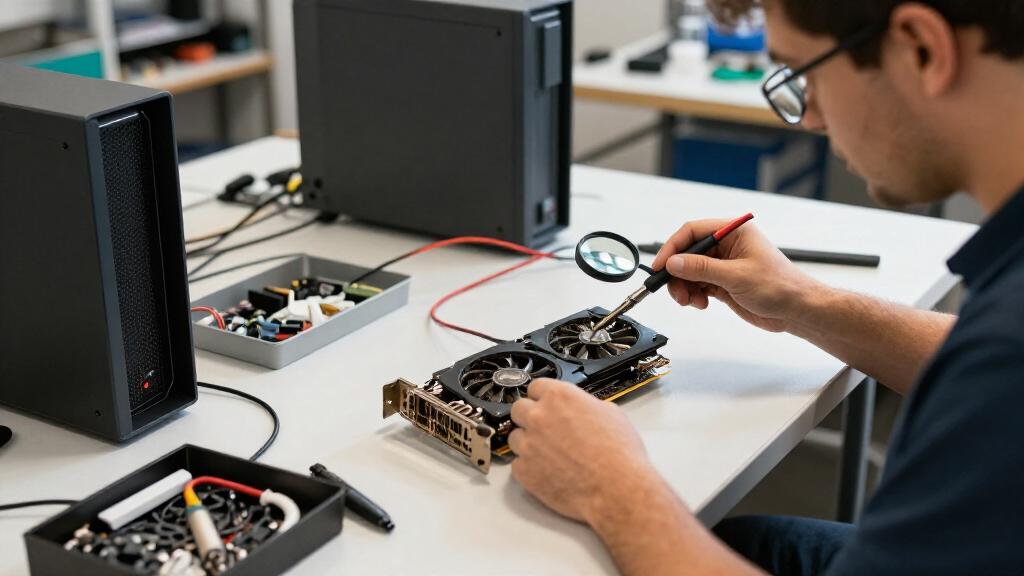
A repair technician known as Brother Zhang said he received eight NVIDIA RTX 4090 and RTX 5090 graphics cards for repair over two days after their 12VHPWR power connectors melted. The cases show how connector damage is creating work for independent repair shops, while the number of incidents, their causes and customers’ warranty options remain unclear.
A repair technician known as Brother Zhang said he received eight NVIDIA RTX 4090 and RTX 5090 graphics cards for repair in two days, with melted 12VHPWR power connectors among the reported damage. The cases illustrate a source of work for specialist repair shops, but the account does not establish how common the problem is across all owners of the GPUs.
Wccftech reported that Brother Zhang showed several affected cards in a video, including models from MSI, ASUS and other manufacturers. The reported damage looked similar across the cards, allowing the technician to use a similar repair process. The report does not provide a full list of models or the number of cards from each brand.
One Gainward RTX 5090 had a connector damaged to the point that the power cable was fused to the card’s input. The owner reportedly had to cut the cable to separate it before sending the GPU for repair. After servicing the cards, Zhang ran stress tests; Wccftech said the RTX 5090 connector temperature reached about 82°C. That reading is specific to the reported test and does not establish a typical temperature for all RTX 5090 systems.
The report says some owners pursued independent repairs rather than relying on a warranty replacement. Possible reasons include limited replacement stock and warranty-service disputes over whether an approved power cable or adapter was used. Those are explanations offered in the coverage, not confirmed circumstances for each customer in the repair batch.
GPU Repair Report · Wccftech Coverage
Eight GPUs. Two Days. One Repair Shop.
A repair technician known as Brother Zhang reported receiving eight NVIDIA RTX 4090 and RTX 5090 cards with melted 12VHPWR connectors. The cases reveal a concentrated run of repair work, but leave the wider failure rate unknown.
01 / The reported batch
Similar damage, different cards
Wccftech described several affected cards from board partners including MSI and ASUS. The visible damage looked similar across the units shown, but the report does not provide a full model or brand breakdown.
RTX 4090 + 5090
The reported repair intake included cards from both generations. Counts for each model were not specified.
12VHPWR input
Melted connector damage was among the reported faults. No independent investigation identified one root cause for every card.
Fused cable
One Gainward RTX 5090 reportedly had a cable fused to its power input. Its owner cut the cable to separate it before repair.
“He received eight RTX 4090 and RTX 5090 units in two days.”Brother Zhang, as reported by Wccftech
02 / What the cases mean
Repair work is visible; the rate is not
A damaged power connection can leave an expensive GPU unusable and require specialist diagnosis. Independent repair may be an option when replacement stock is limited or warranty coverage is disputed.
What this report supports
- One technician described a concentrated two-day run of eight repairs.
- Wccftech reported similar-looking connector damage across cards shown.
- After servicing, a stress test reportedly measured about 82°C at an RTX 5090 connector.
What remains unclear
- How often these failures occur across all RTX 4090 and RTX 5090 owners.
- Whether every damaged connector had the same cause or usage conditions.
- Which customers pursued warranty claims and what decisions they received.
03 / The owner’s path
From connector damage to a clear outcome
The reported batch is a snapshot of one shop’s workload. Case-by-case details will determine what repair and warranty outcomes owners actually receive.
Damage reported
Melted 12VHPWR connectors were reported on several GPUs.
Specialist repair
Owners brought cards to an independent technician for service.
Testing reported
A post-service stress test produced one reported 82°C reading.
Follow-up needed
Repair durability and individual warranty outcomes remain unreported.
The 82°C figure is one reported test result. It does not establish a typical temperature for all RTX 5090 systems. The coverage also mentions user-led hardware and software measures, but does not establish their safety or effectiveness for a particular setup.
04 / Key questions
What the account does—and doesn’t—answer
How many cards arrived?
Eight RTX 4090 and RTX 5090 cards over two days, according to Brother Zhang. The report gives no model-by-model breakdown.
Does this establish a failure rate?
No. There is no verified market-wide incident count or comparison with the number of cards in use.
Why choose independent repair?
Coverage cites possible replacement-stock limits and warranty disputes over approved cables or adapters. These reasons were not confirmed for every customer.
What does the 82°C reading tell us?
It was a reported connector temperature in one post-repair RTX 5090 stress test, not a universal or typical reading.
Repair Shops See More GPU Work
The reported arrivals show how a hardware problem can affect owners beyond the cost of the graphics card itself: a damaged power connection may leave an expensive GPU unusable and require specialist diagnosis or repair. For independent technicians, several similar cases can mean steady paid work, while for customers, repair may become an alternative if a replacement is unavailable or warranty coverage is disputed.
Still, eight cards at one repair shop is not a measure of the problem’s overall rate. The report supplies no total number of RTX 4090 or RTX 5090 cards in use, no verified count of connector failures across the market and no evidence that the same cause explains every case. The figure is best understood as one technician’s account of a concentrated run of repairs.
The story also highlights the practical importance of clear warranty handling. Owners facing melted connectors may need to establish what happened to their particular card and what the manufacturer or retailer will cover. The reported cases do not show that all companies reject such claims or that every owner must turn to an independent shop.
NVIDIA RTX 4090 graphics card repair kit
As an affiliate, we earn on qualifying purchases.
As an affiliate, we earn on qualifying purchases.
Reported Connector Damage Cases
The connector involved is the 12VHPWR power connection used on the graphics cards discussed in the report. Wccftech describes melting on RTX 4090 and RTX 5090 cards from multiple board partners. The report presents similar-looking damage across the units shown, but it does not include an independent technical investigation identifying a single root cause.
Some users have reportedly tried hardware modifications, including add-on boards that replace the GPU’s power input with eight-pin PCIe connectors. The coverage also mentions open-source software designed to shut down a PC if it detects excessive power draw through the 12VHPWR cable. These are user-led measures described in the report; it does not establish their effectiveness, safety or suitability for a particular system.
“He received eight RTX 4090 and RTX 5090 units in two days.”
— Brother Zhang, as reported by Wccftech
12VHPWR power connector replacement
As an affiliate, we earn on qualifying purchases.
As an affiliate, we earn on qualifying purchases.
Failure Rate and Warranty Outcomes
The report does not establish how frequently these failures occur, whether the eight cards represent a broader rise in incidents, or whether all the damage had the same underlying cause. It also does not give the conditions under which each GPU was used, the length of time before failure, or detailed measurements for every repaired card.
It remains unclear which customers tried to make warranty claims, whether any claims were denied, and what reasons manufacturers or retailers gave in individual cases. The report raises cable approval and replacement availability as possible factors, but provides no case-by-case documentation. It also does not say whether the repaired cards have experienced further problems after the stress tests.
As an affiliate, we earn on qualifying purchases.
Owners Await Repair and Warranty Clarity
The immediate next step for the owners described is the outcome of their repairs and, where applicable, any warranty discussions with manufacturers or retailers. The report does not provide a timeline for those cases or say whether the companies involved have responded.
Further reporting would be needed to determine whether the repair-shop intake reflects a wider trend. Useful details would include verified incident numbers, consistent information about operating conditions, documented warranty decisions and follow-up on repaired cards. Until those details are available, the reported batch offers a snapshot of one technician’s workload rather than a market-wide failure rate.
Source: Wccftech
As an affiliate, we earn on qualifying purchases.
Key Questions
How many graphics cards did the technician report receiving?
Brother Zhang reportedly received eight RTX 4090 and RTX 5090 cards in two days. The report does not give a breakdown by model or manufacturer.
What happened to the Gainward RTX 5090?
Wccftech reported that its 12VHPWR connector melted and fused with the power cable. The owner reportedly cut the cable to separate it before sending the card for repair.
Does the report show how common connector melting is?
No. It describes cases brought to one repair technician and does not provide a market-wide failure rate or a comparison with the number of cards in use.
Why might an owner use an independent repair shop?
The report cites possible replacement-stock limits and warranty disputes over approved cables or adapters. It does not confirm that these reasons applied to every customer in the batch.
What does the reported 82°C temperature mean?
It was the connector temperature reported during a stress test of an RTX 5090 after repair. It is a single reported test result, not a typical or universal temperature for RTX 5090 cards.
Source: Wccftech
Halloween Picks
halloween
As an affiliate, we earn on qualifying purchases.