
TL;DR

Get the latest gadgets delivered free — and shop member deals
- Fast, free delivery on millions of items
- Access to Prime Big Deal Days deals on October 6–7
- Prime Video, Amazon Music and more included
Meta announced a new line of no-camera smart glasses and virtual reality spectacles, emphasizing privacy and innovation. The devices aim to reshape wearable tech and VR experiences, but details on availability remain unclear.
Meta has unveiled a new line of wearable devices, including no-camera smart glasses and virtual reality spectacles, signaling a significant shift toward privacy-conscious technology and immersive experiences. The company announced these products during its latest developer conference, emphasizing their potential to redefine how users interact with digital environments while addressing privacy concerns.
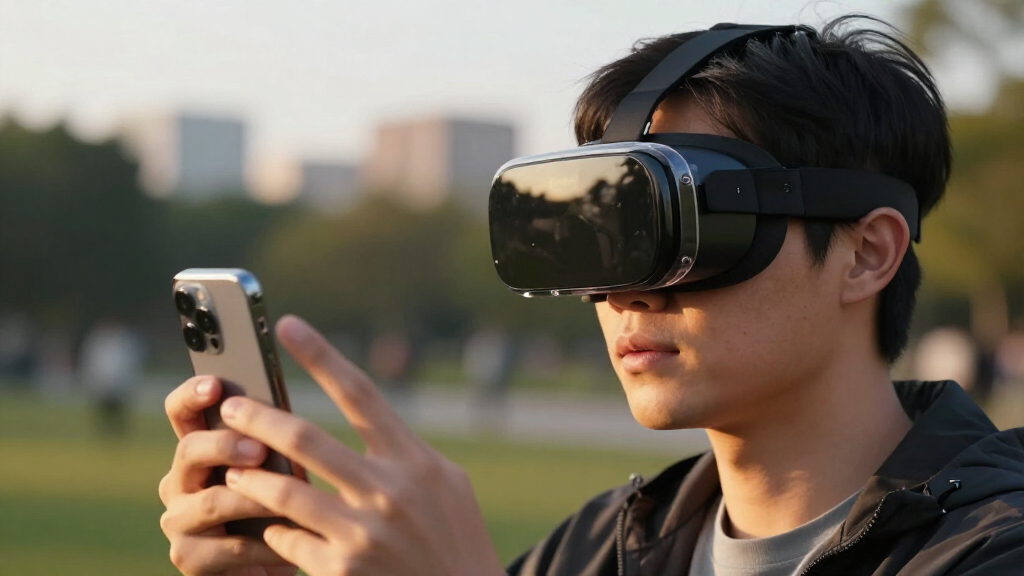
The new smart glasses are designed without integrated cameras, a departure from Meta’s previous models that included camera features. Meta Unveils New VR Glasses Instead, these glasses focus on augmented reality functions, such as displaying notifications and overlaying digital information onto the real world. The virtual reality spectacles, meanwhile, are aimed at delivering immersive experiences without the bulk of traditional VR headsets, featuring a lightweight design and advanced display technology.
Meta has not yet specified the commercial release dates for these devices, nor have they provided detailed specifications or pricing information. The company highlighted that the no-camera glasses are intended to enhance user privacy, addressing ongoing concerns about surveillance and data collection in wearable tech. The VR spectacles are positioned as a next step in Meta’s metaverse ambitions, offering more comfortable and accessible hardware for extended use. Future Of VR In 2027
Industry analysts note that these developments reflect Meta’s broader strategy to lead in privacy-respecting wearables and immersive technology, amid increasing regulatory scrutiny and consumer demand for privacy. The company also indicated that these devices will integrate seamlessly with its existing ecosystem of apps and services, aiming for a cohesive user experience across platforms.
Wearables · Privacy · Immersive Tech
Meta’s Next Wearables: Camera-Free Glasses & Lighter VR
Meta described a new direction for smart glasses and virtual reality spectacles: privacy-conscious design, more comfortable immersive hardware, and closer links to its digital ecosystem. Product details and release timing remain unconfirmed.
Designed around everyday use
The reported concepts target different moments: glanceable help in the physical world and more comfortable immersion in virtual environments.
Camera-free by design
Notifications and digital information overlays are the stated focus. Removing an integrated camera is presented as a way to address privacy concerns around wearable recording.
Immersion, less bulk
The spectacles are described as lighter and more comfortable than conventional headsets, with advanced display technology intended for longer sessions.
Connected experiences
Meta says the devices are intended to fit into its apps and services, linking wearable interactions with its broader ecosystem.
What is still unknown: final specifications, pricing, compatibility details, and whether the described concepts will reach retail in this form.
Early-stage detailsPrivacy and comfort shape the pitch
These product ideas respond to familiar barriers in wearables: concerns about being recorded and the physical burden of extended VR use.
Trust in public spaces
A camera-free approach could make the glasses feel less intrusive to both wearers and people around them. Its impact will depend on what sensors and data practices the finished product uses.
Comfort for immersion
Lower bulk and extended-use comfort could make virtual experiences easier to adopt. Real-world comfort, display quality, and battery life have not been detailed.
A continuation of Meta’s VR journey
The reported direction builds on years of investment in virtual reality and a wider push toward more usable, privacy-aware wearables.
From headsets toward a broader wearable ecosystem
Meta’s Oculus line helped establish its VR presence, while earlier headsets drew criticism over bulk and privacy. These concepts suggest a continued effort to improve comfort and address user concerns as AR and VR reach beyond dedicated headset sessions.
Oculus headsets brought immersive VR to consumers, with comfort and privacy remaining part of the conversation.
Two concepts pair camera-free smart glasses with lighter VR spectacles and an ecosystem connection.
More evidence needed: specifications, developer feedback, launch plans, and user experience will determine their potential.
From announcement to adoption
The path from concept to everyday device depends on practical details and whether the promised balance holds up in use.
Share technical specifications, pricing, and compatibility information.
Gather feedback from developers and selected users, if testing proceeds.
Assess privacy, comfort, immersion, and day-to-day usefulness.
Commercial timing and final product plans have not been announced.
What buyers will want to know
Meta has outlined the intended direction, while key purchase and product questions remain unanswered.
When will the glasses be available?
No specific release date has been announced. The report anticipates further information, but timing is unconfirmed.
How will VR spectacles differ?
They are described as lighter and less bulky than traditional VR headsets, with comfort for extended use as a goal.
Will the glasses have a camera later?
The current concept emphasizes no camera. Meta has not announced plans to change that design in future models.
Will existing Meta apps work?
Meta has indicated ecosystem integration, but specific app compatibility has not yet been confirmed.
Implications for Privacy and Wearable Tech
The introduction of no-camera smart glasses and lightweight VR spectacles marks a notable shift in Meta’s approach to wearable technology, emphasizing privacy and user comfort. This move could influence industry standards, encouraging competitors to prioritize privacy features in their devices. For consumers, it signals a growing demand for wearable tech that balances functionality with data security, especially as concerns about surveillance and data misuse continue to rise.
Furthermore, Meta’s focus on immersive, lightweight VR hardware aims to expand the adoption of the metaverse, making virtual environments more accessible and comfortable for everyday use. This could accelerate the development of new applications in social, gaming, and productivity sectors, potentially transforming how people work and interact digitally.
As an affiliate, we earn on qualifying purchases.
Meta’s Past and Future in Wearables and VR
Meta has historically invested heavily in virtual reality, with its Oculus line of headsets representing a significant part of its metaverse strategy. Previous devices, such as Oculus Quest, have gained popularity but faced criticism over privacy issues and bulkiness. The company’s recent pivot toward privacy-focused wearables reflects an awareness of consumer and regulatory concerns.
In recent years, Meta has announced several initiatives aimed at developing more comfortable, user-friendly VR hardware, alongside efforts to improve privacy protections. The new no-camera glasses and lightweight VR spectacles appear to be part of this ongoing evolution, aligning with industry trends toward privacy-centric and ergonomic wearable devices.
While details remain limited, industry watchers see these products as a step toward mainstream adoption of AR and VR, especially if they deliver on promises of improved comfort and privacy. The development aligns with Meta’s vision of a connected, immersive digital future, though it is still early to gauge market response or commercial success.
lightweight virtual reality spectacles
As an affiliate, we earn on qualifying purchases.
As an affiliate, we earn on qualifying purchases.
Remaining Questions About Device Availability and Features
It is not yet clear when these devices will be available for commercial purchase, nor have detailed specifications, pricing, or compatibility information been released. The extent of their integration with existing Meta services and the actual user experience remain to be seen. Additionally, the reception from consumers and industry critics is still unknown, as the devices are in the early stages of development or prototype testing.
As an affiliate, we earn on qualifying purchases.
Next Steps in Meta’s Wearable and VR Development
Meta is expected to provide more details on product specifications, release timelines, and pricing at upcoming tech events or through direct announcements. The company may also begin testing these devices with select user groups or developers to gather feedback. Industry analysts will be watching closely to see if these innovations succeed in balancing privacy, comfort, and immersive capabilities, potentially setting new standards for wearable technology.
As an affiliate, we earn on qualifying purchases.
Key Questions
When will Meta’s no-camera smart glasses be available?
Meta has not announced a specific release date. More details are expected later this year or early next year.
How do the VR spectacles differ from existing headsets?
The VR spectacles are designed to be lighter, more comfortable, and less bulky than traditional VR headsets, with a focus on extended use and seamless integration with Meta’s ecosystem.
Will these devices include cameras in the future?
Meta emphasized that the current focus is on privacy, with the no-camera design being a key feature. Future updates or models may revisit camera features, but no official plans have been announced.
What impact could these devices have on privacy concerns?
The no-camera design directly addresses privacy concerns associated with surveillance and data collection, potentially setting a new standard for privacy-respecting wearable tech.
Are these devices compatible with existing Meta apps?
Meta indicated that the devices will integrate with its current ecosystem, but specific compatibility details are yet to be confirmed.
Source: rss
Fall Picks
fall essentials
As an affiliate, we earn on qualifying purchases.