
TL;DR
Listen free for 30 days with Audible
Thousands of audiobooks and originals — cancel anytime.
Start your free trialAs an affiliate, we earn on qualifying purchases.
US police agencies are increasingly worried that Meta’s smart glasses, capable of covert recording, could be used to spy on officers and facilities. Authorities have issued warnings and banned their use in federal workplaces amid concerns over security and privacy risks.
US law enforcement agencies are expressing increasing concern that Meta’s smart glasses, equipped with small cameras and microphones, could be used to secretly record officers and sensitive facilities. Recent memos and investigations reveal that police across multiple states are warning about the security risks posed by these discreet devices, which can pass as ordinary eyewear.
In January 2026, the NYPD’s counter-terrorism unit issued a memo warning officers to inspect eyewear permitted within detention centers, citing incidents of covert recordings made with Meta smart glasses. The memo highlighted that these glasses, resembling regular sunglasses, have a blinking LED indicator when recording, but are difficult to detect at a glance.
Further reports show that law enforcement agencies from Maine to California have expressed fears that civilians or detainees could use these glasses for illicit recording, potentially compromising security protocols or aiding criminal activities. A video posted on TikTok in July 2025 demonstrated how a detainee in South Carolina used the glasses to film inside a detention center, including cells, showers, and common areas, without apparent detection.
Federal agencies, including the FBI and DHS fusion centers, have issued internal warnings about the risks of covert recordings and facial recognition capabilities enabled by some smart glasses. These concerns have led to bans on their use within federal workplaces, with Immigration and Customs Enforcement (ICE) classifying Meta glasses as body-worn cameras, thus prohibiting their use on federal property.
Public and privacy advocates have also voiced alarm, noting that these glasses can be used to harass or spy on individuals without consent. Documents obtained by the non-profit Property of the People show that law enforcement officials are wary of the potential for these devices to facilitate unauthorized surveillance or even terrorist reconnaissance, citing examples like the New Orleans terror attack where the suspect reportedly wore similar glasses.
Implications for Law Enforcement and Privacy Rights
The growing concern over Meta smart glasses underscores the tension between technological innovation and privacy/security. If such devices become widely accessible and discreet, they could undermine law enforcement transparency, enable covert surveillance by civilians, and complicate security protocols in sensitive environments. The bans and warnings reflect a broader debate about balancing technological benefits with privacy protections and the potential for misuse.
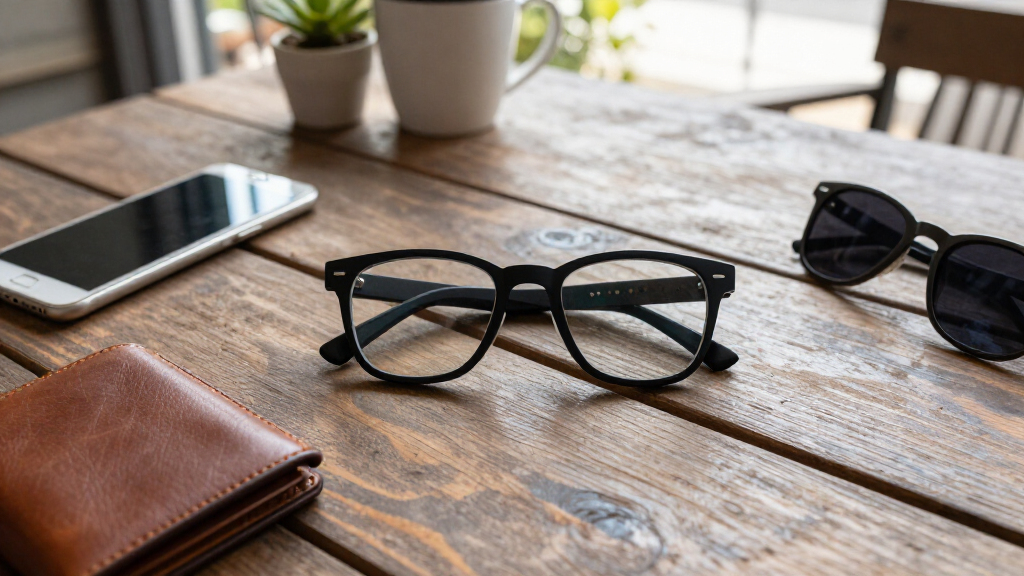
discreet smart glasses with camera
As an affiliate, we earn on qualifying purchases.
As an affiliate, we earn on qualifying purchases.
Rise of Smart Glasses and Law Enforcement Warnings
Meta’s smart glasses, launched with features including small cameras and AI capabilities like facial recognition, have faced criticism since their release. Originally marketed as discreet, stylish eyewear, they resemble ordinary sunglasses but include a blinking LED that indicates when recording. Law enforcement agencies, alarmed by reports of covert recordings and potential security breaches, have issued multiple internal memos warning about their use in detention centers, police facilities, and public spaces.
In 2025, a TikTok video revealed a detainee filming inside a South Carolina detention center with the glasses, raising alarms about security vulnerabilities. Federal agencies, concerned about both surveillance and terrorism risks, have moved to restrict their use, with ICE classifying them as body cameras, which are prohibited on federal premises. The technology’s potential for abuse and privacy violations has fueled ongoing debates and regulatory responses across the US.
“The ability to covertly record inside law enforcement or detention facilities could result in significant security risks if proprietary information or officer routines are exposed.”
— NYPD Counter-Terrorism Unit
As an affiliate, we earn on qualifying purchases.
Unclear Scope and Future Regulations
It remains unclear how widespread the misuse of Meta smart glasses currently is, and whether law enforcement warnings will lead to tighter regulations or technological restrictions. The extent of civilian use for covert surveillance or harassment also remains uncertain, as does the potential for future bans or legal actions. Additionally, the effectiveness of current indicators like blinking LEDs in preventing covert recording is still under debate.
As an affiliate, we earn on qualifying purchases.
Potential Regulatory Actions and Public Awareness
Authorities are expected to continue monitoring the use of smart glasses and may introduce new regulations or technical standards to prevent covert recording. Law enforcement agencies could expand bans or implement stricter inspection protocols, while privacy advocates push for legislation to limit civilian misuse. Public awareness campaigns may also increase, informing users about the risks and legal implications of covert recording devices.
As an affiliate, we earn on qualifying purchases.
Key Questions
Can police currently confiscate Meta smart glasses?
Yes, law enforcement agencies have begun confiscating or inspecting eyewear believed to contain recording capabilities, especially in detention and police facilities.
Are Meta smart glasses legal for civilian use?
In general, yes, but their covert use to record without consent can violate privacy laws and lead to legal consequences depending on jurisdiction.
What technical features make these glasses covert?
The glasses resemble ordinary sunglasses, with a small blinking LED indicating recording, which is difficult to detect without close inspection.
Will there be new laws regulating smart glasses?
It is uncertain, but ongoing concerns may lead to future legislation or regulations aimed at limiting covert recording capabilities and protecting privacy rights.
How effective are current indicators like blinking LEDs?
While designed to be noticeable, these indicators can sometimes be concealed or tampered with, raising questions about their reliability in preventing covert recordings.
Source: fediverse
Flea & tick season Picks
flea and tick prevention
As an affiliate, we earn on qualifying purchases.