
TL;DR

Get the latest gadgets delivered free — and shop member deals
- Fast, free delivery on millions of items
- Access to Prime Big Deal Days deals on October 6–7
- Prime Video, Amazon Music and more included
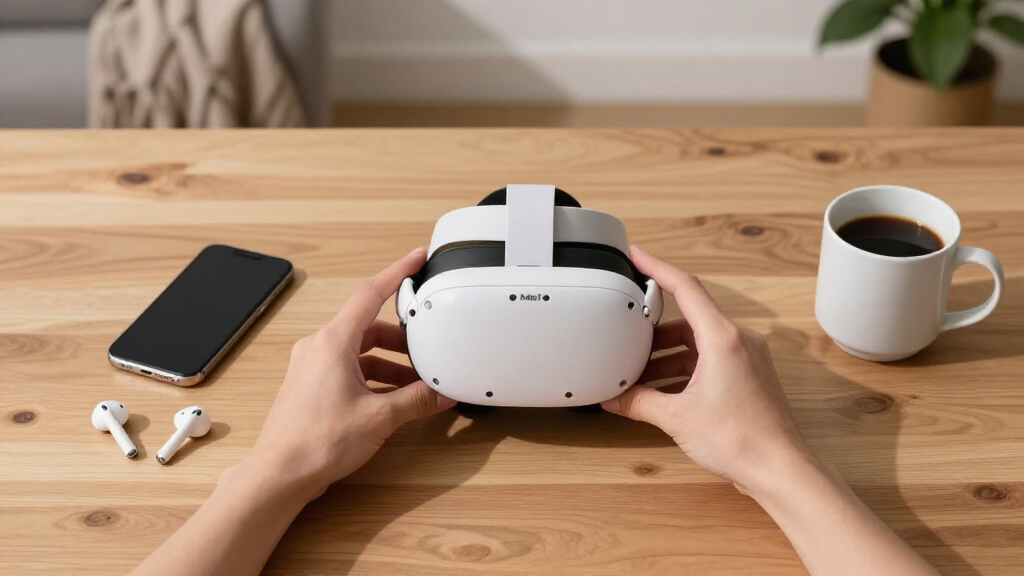
Meta has officially announced its new virtual reality glasses, scheduled for launch in spring 2027 with a retail price of $1300. The device aims to advance immersive experiences but remains untested publicly. The announcement signals a major investment in high-end VR hardware for the company.
Meta has officially announced its new virtual reality glasses, scheduled for release in spring 2027, with a retail price of $1300. The company described the device as a significant upgrade over previous models, aiming to deliver enhanced immersive experiences for consumers and professionals alike. This marks Meta’s latest push into high-end VR hardware, signaling a major strategic move in its metaverse and virtual reality ambitions.
The new VR glasses, whose official name has not yet been disclosed, are set to launch in the second quarter of 2027, according to Meta’s statement. The device is expected to feature advanced display technology, improved field of view, and integrated eye-tracking capabilities, targeting both gaming and enterprise markets. The announced price of $1300 places it in the premium segment, comparable to other high-end VR headsets currently on the market.
Meta emphasized that the device will support a new ecosystem of applications, including immersive social experiences, productivity tools, and gaming content. The company also highlighted ongoing collaborations with developers to optimize the hardware for a variety of use cases. However, it is not yet clear whether the device will be compatible with existing Meta VR platforms or will require new software infrastructure.
While the announcement confirms the device’s planned launch window and price, details about the hardware specifications, form factor, and availability remain undisclosed. The company indicated that the headset is still in late-stage development, with production expected to commence later this year. No pre-order information or detailed technical specs have been provided at this stage.
Meta Unveils New VR Glasses, Launching Spring 2027 at $1,300
Meta has officially announced its next-generation virtual reality glasses — a premium device positioned as a significant upgrade over previous models, targeting both enthusiasts and professionals in gaming and enterprise markets. The official name, full specifications, and pre-order details remain undisclosed.
Expected Capabilities of the New Device
While Meta has not confirmed exact hardware specifications, the announcement outlines the technical direction of the glasses — advanced display technology, improved immersion, and integrated sensing aimed at high-end use cases.
Advanced Display Technology
Meta describes the device as featuring upgraded display tech with a high-resolution immersive experience, positioned as a significant step up from the Quest series.
Improved Field of View
A wider field of view is expected, deepening immersion for gaming, professional applications, and realistic social interactions.
Integrated Eye-Tracking
Eye-tracking capabilities are planned, enabling more natural interaction and rendering efficiency for both consumer and enterprise scenarios.
New App Ecosystem
Support for a new ecosystem of applications: immersive social experiences, productivity tools, and gaming content, built with developer collaborations.
Dual-Market Targeting
The device explicitly targets both gaming and enterprise markets, extending beyond Meta’s consumer-focused Quest lineup.
Premium Hardware Tier
At $1,300, the glasses compete directly with other high-end headsets from Apple and HTC, both investing heavily in next-gen VR.
Roadmap to Launch
From late-stage development to the spring 2027 launch window, Meta’s announcement sketches a phased rollout — with developer events expected to fill in the gaps.
Production Begins
The headset is in late-stage development, with production expected to commence later this year.
Developer Briefings
Further details expected at developer conferences and product briefings; possible prototype demos for selected partners.
Official Launch
Device releases in the second quarter of 2027 with a retail price of $1,300. Pre-order process still to be announced.
Ecosystem Rollout
Immersive social apps, productivity tools, and gaming content roll out — pending clarity on platform compatibility.
What We Know — And What We Don’t
The announcement confirms the launch window and price, but leaves substantial questions about hardware, software, and availability open.
| Detail | Status | What Meta Has Said |
|---|---|---|
| Launch window | ✓ Confirmed | Second quarter of 2027, per Meta’s official statement. |
| Retail price | ✓ Confirmed | $1,300, placing the device in the premium segment. |
| Display & field of view | ~ Partial | Advanced display tech and improved FOV expected; exact specs undisclosed. |
| Eye-tracking | ~ Partial | Integrated eye-tracking capabilities are expected but not officially detailed. |
| Weight, battery, form factor | ✗ Unknown | No details on physical specifications have been released. |
| Platform compatibility | ✗ Unknown | Unclear whether the device works with existing Meta VR platforms or requires new software infrastructure. |
| Pre-orders & availability | ✗ Unknown | No pre-order information provided at this stage. |
Price Positioning in the Premium VR Market
The $1,300 price point places Meta’s new glasses firmly in the premium segment, comparable to other high-end headsets currently on the market — well above the affordable Quest line that made VR mainstream.
Why the 2027 Launch Matters
Industry Impact
- Signals continued commitment to high-end immersive VR as a core pillar of Meta’s strategy and metaverse ambitions.
- Could set a new standard for quality and features in the premium VR segment, influencing competitors’ product and pricing strategies.
- Comes as VR adoption remains uneven but steadily growing — a premium flagship may accelerate mainstream interest.
- Positions Meta against Apple and HTC in next-generation virtual reality hardware.
Open Risks
- Success depends on consumer acceptance, content availability, and ecosystem maturity by the launch date.
- Meta has historically struggled to convince mainstream users to adopt high-end devices with higher costs and technical barriers.
- Compatibility uncertainty could fragment the existing Quest user base.
- The device remains untested publicly — no hands-on reports or beta units have surfaced.
Key Questions Answered
Q1Will the new VR glasses be compatible with existing Meta VR platforms?
Not yet confirmed. Details about software and hardware integration remain undisclosed, and it is unclear whether the device will replace or complement current headsets.
Q2What features are expected in the new VR glasses?
Advanced display technology, eye-tracking, and a high-resolution immersive experience — though specific features have not been officially announced.
Q3Why is the $1,300 price significant?
It positions the device in the premium segment, indicating high-end features aimed at enthusiasts and professionals — potentially influencing market standards.
Q4When will Meta start accepting pre-orders?
Pre-order details have not been announced; further information is expected closer to the spring 2027 launch window.
Q5How does this announcement impact the VR market?
Meta’s focus on high-end hardware could accelerate innovation and competition in the premium segment, shaping other manufacturers’ strategies and consumer expectations.
From the 2014 Oculus acquisition to the Quest series and now a $1,300 flagship — this reveal is Meta’s most significant hardware roadmap announcement beyond the Quest line to date.
Why the 2027 VR Launch Matters for the Industry
The announcement of Meta’s new VR glasses signals a continued focus on high-end, immersive virtual reality experiences as a core part of its future strategy. Priced at $1300, the device targets consumers willing to invest in premium hardware, potentially setting a new standard for quality and features in the high-end VR market. This move could influence competitors’ product development and pricing strategies, especially as VR adoption remains uneven but steadily growing.
Furthermore, Meta’s push into more advanced VR hardware underscores its commitment to building a comprehensive metaverse ecosystem. The device’s capabilities could facilitate more realistic social interactions, professional applications, and entertainment experiences, which are central to Meta’s broader vision. However, its success will depend on consumer acceptance, content availability, and the ecosystem’s maturity by the launch date.
As an affiliate, we earn on qualifying purchases.
Background on Meta’s VR Hardware Development
Meta has been a leading player in consumer virtual reality since acquiring Oculus in 2014. Its flagship VR headset, the Quest series, has seen multiple iterations, with the Quest 2 gaining popularity due to its affordability and standalone capabilities. Despite this, Meta has faced challenges in convincing mainstream users to adopt high-end VR devices, which often come with higher costs and technical barriers.
In recent years, Meta has announced several initiatives aimed at expanding VR and AR adoption, including investments in hardware, software, and content creation. The company has also emphasized the importance of developing more immersive hardware, evidenced by ongoing research and prototypes. The upcoming release of a high-end headset at $1300 aligns with Meta’s strategy to target both enthusiasts and professionals, aiming to elevate the user experience and expand the market.
Prior to this announcement, Meta had not publicly disclosed specific details about future hardware beyond the Quest series, making this reveal a significant development in its hardware roadmap. The timing suggests the device is part of a broader plan to compete with other premium VR headsets from companies like Apple and HTC, which are also investing heavily in next-generation virtual reality devices.
As an affiliate, we earn on qualifying purchases.
Unresolved Details About Hardware and Ecosystem Compatibility
It is not yet clear what the exact specifications of the new VR glasses will be, including display technology, weight, battery life, and form factor. Additionally, the compatibility with existing Meta VR platforms and ecosystems remains uncertain, as the company has not disclosed whether this device will replace or complement current headsets. The actual release date, pre-order process, and software ecosystem integration are still to be announced.
As an affiliate, we earn on qualifying purchases.
Meta is expected to provide further details about the new VR headset at upcoming developer conferences and product briefings later in 2027. The company may also release prototype demos or beta units to selected partners before the official launch. Observers will be watching for signals about hardware specifications, ecosystem compatibility, and content support, which will influence consumer expectations and pre-launch interest.
As an affiliate, we earn on qualifying purchases.
Key Questions
Will the new VR glasses be compatible with existing Meta VR platforms?
It is not yet confirmed whether the device will be compatible with current Meta VR ecosystems, as details about software and hardware integration remain undisclosed.
What features are expected in the new VR glasses?
Based on available information, the device is expected to include advanced display technology, eye-tracking, and a high-resolution immersive experience, but specific features have not been officially announced.
Why is the price set at $1300 significant?
The $1300 price positions the device in the premium segment, indicating high-end features and targeting enthusiasts and professionals, which could influence market standards.
When will Meta start accepting pre-orders?
Pre-order details have not been announced; further information is expected closer to the launch window in spring 2027.
How does this announcement impact the VR market?
Meta’s focus on a high-end headset could accelerate innovation and competition in the premium VR segment, potentially influencing other manufacturers’ strategies and consumer expectations.
Source: rss
Fall Picks
fall essentials
As an affiliate, we earn on qualifying purchases.