
📊 Full opportunity report: Claude's Bold Move: Watermarking AI-Generated Content For Authenticity on ThorstenMeyerAI.com — validation score, market gap, and execution plan.

Get the latest gadgets delivered free — and shop member deals
- Fast, free delivery on millions of items
- Access to Prime Big Deal Days deals on October 6–7
- Prime Video, Amazon Music and more included
TL;DR
Anthropic is preparing to add watermarks to AI-generated content from Claude, enhancing content attribution. Details on the technology and rollout remain limited, but the move signals efforts to improve transparency in AI media.
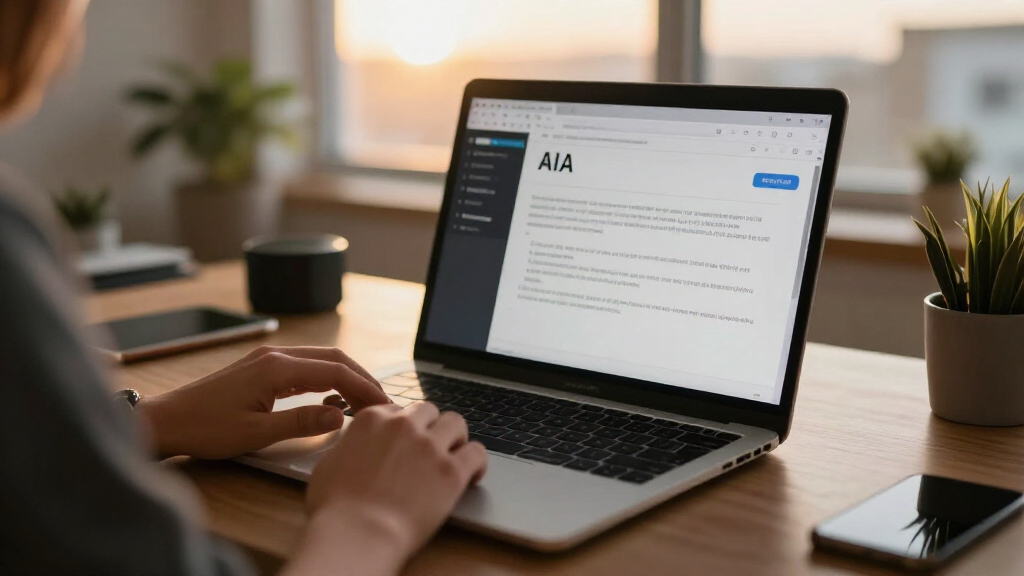
Anthropic will begin watermarking content produced by its AI system, Claude, a move aimed at making AI-generated material easier to identify. The company has not yet revealed detailed technical information or a launch schedule, but the announcement confirms that watermarking is in the pipeline. This development is significant as the proliferation of AI-created content raises questions about attribution and authenticity.
According to the announcement on ThorstenMeyerAI.com, Anthropic’s plan involves adding watermarks to some outputs generated by Claude, although specifics about the method, scope, or timing remain unclear. The company did not specify whether the watermarks will be visible, embedded as metadata, or detectable only through specialized tools. There is also no information on whether all Claude outputs or only certain formats and use cases will be covered.
Furthermore, it is not yet known if the watermarking will be automatic or user-controlled, or if existing outputs will be retroactively marked. The announcement emphasizes that this is a planned feature, not an indication that current Claude outputs already carry watermarks. The effectiveness of these markers in resisting editing or copying has not been detailed, nor has any independent verification process been announced.
Potential Impact on AI Content Transparency
This move could improve the ability of platforms, users, and organizations to verify whether content was generated by Claude, addressing concerns about the spread of AI-created material without disclosure. However, the utility depends on the watermark’s robustness and whether it remains detectable after common modifications like copying, editing, or translation. The initiative aligns with broader industry efforts to improve synthetic media labeling but does not guarantee that all Claude outputs will be identifiable or that unmarked content is human-made.
As an affiliate, we earn on qualifying purchases.
Rising Need for AI Content Identification
As generative AI tools like Claude become more widespread, the challenge of tracing content origin grows. Current methods include visible labels, embedded metadata, and machine-readable markers, but each faces technical limitations, especially when content is copied or edited. Industry stakeholders, including developers and policymakers, have been exploring various approaches to improve transparency and combat misinformation. Anthropic’s announcement places it within this ongoing effort, though details about the technical implementation remain pending.
AI-generated content verification software
As an affiliate, we earn on qualifying purchases.
As an affiliate, we earn on qualifying purchases.
Technical Details and Implementation Unclear
It remains unknown how the watermarking system will technically function, whether it will be resistant to editing, or how detection will be carried out. The scope of the policy—such as which outputs will be marked and whether existing content will be retroactively tagged—is also still unconfirmed. Until Anthropic releases detailed technical documentation and testing results, the effectiveness and coverage of the watermarking remain uncertain.
metadata detection tools for AI content
As an affiliate, we earn on qualifying purchases.
As an affiliate, we earn on qualifying purchases.
Awaiting Technical Details and Rollout Schedule
The next step will be for Anthropic to publish detailed documentation outlining the watermarking method, coverage, and detection process. Industry experts and independent testers will then evaluate whether the system reliably identifies Claude outputs during real-world use. The timeline for deployment, including regional rollout and integration with platforms, has yet to be announced.
digital watermarking software for media
As an affiliate, we earn on qualifying purchases.
As an affiliate, we earn on qualifying purchases.
Key Questions
Will all Claude-generated content be watermarked?
It is not yet clear whether the watermark will be applied to all outputs or only specific formats and use cases. Details are still forthcoming from Anthropic.
How will the watermark be detected?
Anthropic has not disclosed whether detection will require proprietary tools, third-party verification, or whether it will be embedded visibly or as metadata.
Could watermarks be removed or bypassed?
The robustness of the watermarking system remains unknown until technical details and testing results are published. It is uncertain how resistant the markers will be to editing or copying.
When will the watermarking feature be available?
There is no confirmed rollout date; the company has announced plans but has yet to specify a timeline.
Does watermarking indicate content accuracy?
No, watermarking only identifies the origin of the content; it does not verify correctness or truthfulness.
Source: ThorstenMeyerAI.com
Fall Picks
fall essentials
As an affiliate, we earn on qualifying purchases.