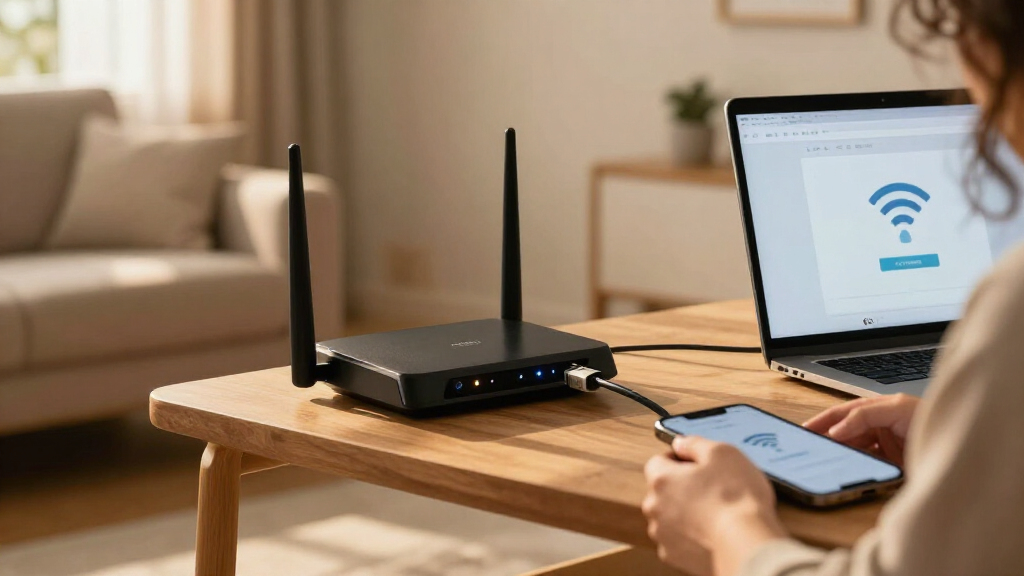

For Black Friday wireless routers, I rank the TP-Link Archer AXE75 as the best overall pick for its Wi-Fi 6E band and tri-band flexibility. The TP-Link Archer AX72 Pro is a stronger fit for busy Wi-Fi 6 households, while the TP-Link Archer AX3000 offers a more restrained step up for everyday use. The main tradeoff is whether you need a newer Wi-Fi generation, more capacity for several devices, or simply reliable coverage without paying for features you may not use. Older Wi-Fi 5 models and renewed routers can suit basic setups, but they involve clearer limits or condition tradeoffs. Read on for the full breakdown by use case, performance tier, and buying priorities.

Get the latest gadgets delivered free with Prime
- Fast, free delivery on millions of items
- Prime Video, Amazon Music and more included
- Member-only deals all year
Complete the kit



Key Takeaways
- The Archer AXE75 leads for most upgrade-minded buyers: Wi-Fi 6E and three bands give it more flexibility than the dual-band AX72 Pro, though 6 GHz only helps compatible devices within suitable range.
- The AX72 Pro and AX73 are the stronger Wi-Fi 6 choices for busy homes: both sit above entry-level models in capability, while the AX72 Pro adds a Pro-tier alternative for buyers comparing higher-end dual-band routers.
- The AX3000 marks a sensible middle ground: it avoids the added complexity of tri-band 6E while offering a more capable platform than the AX10, AX1450, and AX1800-class choices.
- Renewed models change the buying equation: the AX1450, AX20, and AXE7800 may offer a route to higher-tier hardware, but buyers should weigh condition, return terms, and warranty coverage rather than treating them like new units.
- The Deco X55 is the lineup’s coverage-oriented outlier: it is a mesh system rather than a conventional standalone router, so it suits homes with dead zones better than shoppers who only need a central access point.
| TP-Link Archer AXE75 AXE5400 Tri-Band WiFi 6E Router |  | Best for Adding a 6 GHz Band | Wi-Fi generation: Wi-Fi 6E | Wireless bands: Tri-band: 6 GHz, 5 GHz, 2.4 GHz | Maximum data transfer rate: 5400 Mbps | VIEW LATEST PRICE | See Our Full Breakdown |
| TP-Link Archer AX72 Pro AX5400 Dual-Band Wi-Fi 6 Router |  | Best for Multi-Gigabit Wired Connections | Wi-Fi generation: Wi-Fi 6 (802.11ax) | Wi-Fi bands: Dual-band | Maximum Wi-Fi data rate: 5.4 Gbps | VIEW LATEST PRICE | See Our Full Breakdown |
| TP-Link Archer AX1450 Wi-Fi 6 Dual-Band Router (Renewed) |  | Best for a Basic Renewed Wi-Fi 6 Upgrade | Product condition: Renewed | Wi-Fi generation: Wi-Fi 6 (802.11ax) | Frequency bands: 2.4 GHz and 5 GHz | VIEW LATEST PRICE | See Our Full Breakdown |
| TP-Link Archer A6 AC1200 Gigabit Dual-Band Wi-Fi Router |  | Best for Simple Wired Home Setups | Wi-Fi standard: 802.11ac (Wi-Fi 5) | Frequency bands: 2.4 GHz and 5 GHz | Maximum combined data rate: 1167 Mbps | VIEW LATEST PRICE | See Our Full Breakdown |
| TP-Link Archer AX3000 Dual-Band Wi-Fi 6 Gigabit Router | 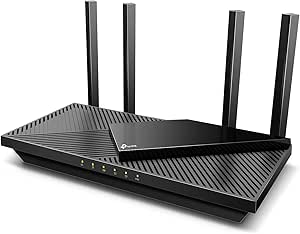 | Best All-Round Wi-Fi 6 Value | Wi-Fi generation: Wi-Fi 6 | Frequency bands: Dual-band: 2.4 GHz and 5 GHz | Maximum data transfer rate: 2976 Mbps | VIEW LATEST PRICE | See Our Full Breakdown |
| TP-Link Archer AX10 AX1500 Dual-Band Wi-Fi 6 Router |  | Best Value Wi-Fi 6 Pick | Wi-Fi generation: Wi-Fi 6 | Wireless bands: 2.4 GHz and 5 GHz | Maximum wireless speed: Up to 1500 Mbps | VIEW LATEST PRICE | See Our Full Breakdown |
| TP-Link Archer AX73 AX5400 Wi-Fi 6 Router |  | Best for High-Demand Homes | Wi-Fi generation: Wi-Fi 6 | Maximum data rate: 5378 Mbps | 5 GHz technology: 4T4R and HE160; up to 4.8 Gbps | VIEW LATEST PRICE | See Our Full Breakdown |
| NETGEAR Nighthawk R6700AX WiFi 6 Router, Dual-Band, Up to 1,800 Mbps |  | Best for Small Homes | Wi-Fi generation: Wi-Fi 6 (802.11ax) | Wireless bands: 2.4 GHz and 5 GHz | Maximum Wi-Fi speed: 1.8 Gbps | VIEW LATEST PRICE | See Our Full Breakdown |
| TP-Link Archer A54 AC1200 Dual-Band Wi-Fi Router | 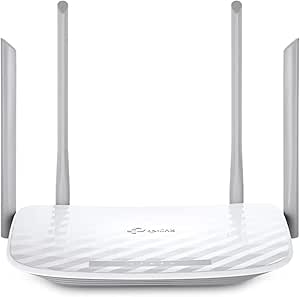 | Best for Basic Connectivity | Wi-Fi standard: Wi-Fi 5 (802.11a/b/g/n/ac) | Wireless bands: 2.4 GHz and 5 GHz | Maximum Wi-Fi speed: AC1200; up to 867 Mbps on 5 GHz and 300 Mbps on 2.4 GHz | VIEW LATEST PRICE | See Our Full Breakdown |
| ASUS RT-AX1800S Dual-Band Wi-Fi 6 Router |  | Best for Security and Network Tools | Wi-Fi generation: Wi-Fi 6 (802.11ax) | Wireless bands: Dual-band | Maximum data rate: 1800 Mbps | VIEW LATEST PRICE | See Our Full Breakdown |
| TP-Link Archer AX21 AX1800 Dual-Band Wi-Fi 6 Router |  | Best Value Wi-Fi 6 Pick | Wi-Fi generation: Wi-Fi 6 (802.11ax) | Bands: Dual-band: 2.4 GHz and 5 GHz | Maximum combined bandwidth: 1.8 Gbps | VIEW LATEST PRICE | See Our Full Breakdown |
| TP-Link Archer AX20 AX1800 Dual-Band Wi-Fi 6 Router (Renewed) |  | Best Renewed Entry Pick | Condition: Renewed | Wi-Fi generation: Wi-Fi 6 (802.11ax) | Data transfer rate: 1800 Mbps | VIEW LATEST PRICE | See Our Full Breakdown |
| TP-Link Deco X55 AX3000 WiFi 6 Mesh System, 1-Pack | 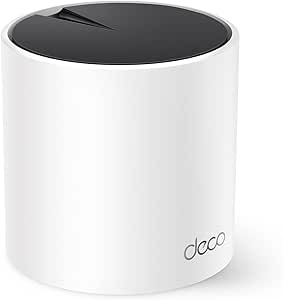 | Best Compact Mesh Starter | Wi-Fi generation: Wi-Fi 6 | Wi-Fi speed class: AX3000 | Package quantity: 1-pack | VIEW LATEST PRICE | See Our Full Breakdown |
| TP-Link Archer A8 AC1900 Dual-Band Wi-Fi 5 Router |  | Best for Basic Wi-Fi 5 Setups | Wi-Fi standard: Wi-Fi 5 (802.11ac) | Bands: Dual-band: 2.4 GHz and 5 GHz | Maximum data rate: 1900 Mbps | VIEW LATEST PRICE | See Our Full Breakdown |
| TP-Link Archer AXE7800 Tri-Band Wi-Fi 6E Router (Renewed), Black |  | Best Premium 6E Upgrade | Condition: Renewed | Wi-Fi generation: Wi-Fi 6E (802.11ax) | Bands: Tri-band, including 6 GHz | VIEW LATEST PRICE | See Our Full Breakdown |
| Black Friday wireless router | Antennas | Wi-Fi generation |
|---|---|---|
| TP-Link Archer AXE75 AXE5400 T | 8 | Wi-Fi 6E |
| TP-Link Archer AX72 Pro AX5400 | 6 fixed | Wi-Fi 6 (802.11ax) |
| TP-Link Archer AX1450 Wi-Fi 6 | 4 | Wi-Fi 6 (802.11ax) |
| TP-Link Archer A6 AC1200 Gigab | 4 external fixed | — |
| TP-Link Archer AX3000 Dual-Ban | 4 fixed external | Wi-Fi 6 |
| TP-Link Archer AX10 AX1500 Dua | 4 fixed | Wi-Fi 6 |
| TP-Link Archer AX73 AX5400 Wi- | 6 fixed | Wi-Fi 6 |
| NETGEAR Nighthawk R6700AX WiFi | 2 internal | Wi-Fi 6 (802.11ax) |
| TP-Link Archer A54 AC1200 Dual | 4 fixed external | — |
| ASUS RT-AX1800S Dual-Band Wi-F | 4 external | Wi-Fi 6 (802.11ax) |
| TP-Link Archer AX21 AX1800 Dua | 4 fixed high-gain antennas | Wi-Fi 6 (802.11ax) |
| TP-Link Archer AX20 AX1800 Dua | 4 fixed antennas | Wi-Fi 6 (802.11ax) |
| TP-Link Deco X55 AX3000 WiFi 6 | — | Wi-Fi 6 |
| TP-Link Archer A8 AC1900 Dual- | — | — |
| TP-Link Archer AXE7800 Tri-Ban | 8 fixed antennas | Wi-Fi 6E (802.11ax) |
More Details on Our Top Picks
TP-Link Archer AXE75 AXE5400 Tri-Band WiFi 6E Router
The Archer AXE75 is the standout here for households ready to use Wi-Fi 6E: its extra 6 GHz band gives compatible newer devices another wireless lane, rather than sharing only the 2.4 GHz and 5 GHz bands. That makes it a more forward-looking pick than the dual-band Archer AX72 Pro, which instead offers a faster 2.5 Gbps Ethernet port for wired connections. The AXE75 also pairs OFDMA with EasyMesh support, VPN server and client functions, and WPA3, so it can suit a busy home that may expand coverage later. Its tradeoffs are practical: older devices cannot use 6 GHz, and its listed LAN bandwidth is 1 Gbps. Most internet providers also require a separate modem, so this is a router upgrade, not an all-in-one replacement.
Pros:- Tri-band Wi-Fi 6E includes a 6 GHz band for compatible devices.
- EasyMesh support allows compatible devices to extend coverage.
- VPN server and client functions add remote-access flexibility.
- OFDMA and WPA3 support multi-device connectivity and modern security.
Cons:- Most internet providers require a separate modem.
- Listed LAN port bandwidth is 1 Gbps, unlike the AX72 Pro’s 2.5 Gbps port.
- Devices without Wi-Fi 6E cannot use the 6 GHz band.
Best for: Households with Wi-Fi 6E phones or laptops that want a dedicated 6 GHz band and the option to extend coverage with compatible EasyMesh devices.
Not ideal for: Buyers whose devices do not support Wi-Fi 6E, or anyone who needs a multi-gigabit wired LAN connection; the AX72 Pro has a listed 2.5 Gbps WAN/LAN port.
- Wi-Fi generation:Wi-Fi 6E
- Wireless bands:Tri-band: 6 GHz, 5 GHz, 2.4 GHz
- Maximum data transfer rate:5400 Mbps
- 6 GHz band speed:2402 Mbps
- Processor and memory:1.0 GHz dual-core CPU; 512 MB
- Antennas:8
- LAN port bandwidth:1000 Mbps
- Mesh compatibility:EasyMesh
- VPN support:OpenVPN, PPTP, L2TP
Our verdict“Choose the AXE75 if you have Wi-Fi 6E devices and want a third band; pick the AX72 Pro instead if a 2.5 Gbps wired port matters more.”
TP-Link Archer AX72 Pro AX5400 Dual-Band Wi-Fi 6 Router
The Archer AX72 Pro is the best fit in this group for buyers who want a fast wired link alongside capable dual-band Wi-Fi. Its 2.5 Gbps WAN/LAN port is the key distinction: the Archer AXE75 adds a 6 GHz wireless band, but its listed LAN bandwidth is 1 Gbps. Here, that higher-speed port gives compatible wired equipment or internet service more headroom, while four additional gigabit ports handle everyday connections. Six antennas, beamforming, OFDMA, and MU-MIMO are aimed at serving multiple devices across a home, though advertised wireless speeds do not guarantee a particular result through walls or at a distance. Compared with the less ambitious Archer AX3000, the AX72 Pro offers higher stated Wi-Fi speeds and a multi-gig port. It does not offer 6 GHz, and most providers still require a separate modem.
Pros:- 2.5 Gbps WAN/LAN port supports compatible multi-gig wired connections.
- Six antennas and beamforming are designed to extend wireless coverage.
- OFDMA and MU-MIMO help manage traffic from multiple devices.
- Includes USB connectivity, VPN support, and HomeShield features.
Cons:- Dual-band design has no dedicated 6 GHz band, unlike the Archer AXE75.
- Most internet providers require a separate modem.
- Actual wireless performance varies with distance, obstacles, and other conditions.
Best for: Homes with a multi-gig internet plan or wired equipment that can use a 2.5 Gbps port, plus several active Wi-Fi devices.
Not ideal for: Buyers seeking a 6 GHz band, or households whose internet and wired equipment are all limited to gigabit speeds and would not benefit from the extra port capacity.
- Wi-Fi generation:Wi-Fi 6 (802.11ax)
- Wi-Fi bands:Dual-band
- Maximum Wi-Fi data rate:5.4 Gbps
- 5 GHz band speed:Up to 4804 Mbps
- 2.4 GHz band speed:Up to 574 Mbps
- Ethernet ports:1 x 2.5 Gbps WAN/LAN; 1 x gigabit WAN/LAN; 3 x gigabit LAN
- Antennas:6 fixed
- USB:USB port
- VPN:Server and client support
Our verdict“Pick the AX72 Pro for its 2.5 Gbps port and dual-band Wi-Fi 6; choose the AXE75 if access to 6 GHz matters more.”
TP-Link Archer AX1450 Wi-Fi 6 Dual-Band Router (Renewed)
The renewed Archer AX1450 is the restrained choice for buyers who want Wi-Fi 6 basics without stepping up to the stronger hardware on the Archer AX3000 or AX72 Pro. It offers dual-band Wi-Fi 6, OFDMA, beamforming, and Target Wake Time, which can help compatible connected devices communicate efficiently and reduce their power use. Its stated 1.45 Gbps maximum rate is well below the AX3000’s 2976 Mbps combined rate, so this is better matched to modest home use than households chasing more capacity or faster transfers. The renewed condition and 90-day limited warranty also make its purchase terms different from the other listed routers. The listing specifies one port, a notable limitation for anyone with wired devices, and its 2.4 GHz rate is listed at 250 Mbps. Most buyers also need a separate modem.
Pros:- Wi-Fi 6 with OFDMA supports communication across multiple devices.
- Beamforming and four antennas are designed to support wireless coverage.
- Target Wake Time can help compatible devices reduce power consumption.
- Supports WPA2 and WPA3 security.
Cons:- Renewed condition comes with a 90-day limited warranty.
- Listing specifies one port, limiting wired-device connections.
- The 250 Mbps stated 2.4 GHz speed is lower than the AX3000’s 574 Mbps.
Best for: Budget-conscious buyers who want a renewed Wi-Fi 6 router for a small set of everyday devices and do not need several wired connections.
Not ideal for: Households with many wired devices, heavy simultaneous network use, or a preference for a longer stated warranty; the AX3000 offers higher listed speeds and USB connectivity.
- Product condition:Renewed
- Wi-Fi generation:Wi-Fi 6 (802.11ax)
- Frequency bands:2.4 GHz and 5 GHz
- Maximum data transfer rate:1.45 Gbps
- 5 GHz speed:1201 Mbps
- 2.4 GHz speed:250 Mbps
- Antennas:4
- Security protocols:WPA2, WPA3
- Warranty:90 days limited warranty
Our verdict“Choose the renewed AX1450 for basic Wi-Fi 6 needs and few wired devices; step up to the AX3000 for higher stated speeds and more connectivity options.”
TP-Link Archer A6 AC1200 Gigabit Dual-Band Wi-Fi Router
The Archer A6 is the straightforward pick for a home that needs basic Wi-Fi and several wired connections, rather than the newer features and higher stated speeds of the Wi-Fi 6 models. Its four Gigabit LAN ports make it easier to connect devices such as a desktop, console, or television without relying on Wi-Fi. It also supports access point mode, OneMesh, and WPA3, giving it some flexibility beyond a basic wireless setup. Against the Archer AX1450, though, the A6 uses Wi-Fi 5, so it is the less future-facing choice for a network with newer Wi-Fi 6 devices. Its stated combined rate is also modest compared with the AX3000 and AX72 Pro. This makes most sense when wired ports and straightforward use matter more than newer wireless standards; a modem is required for most providers.
Pros:- Four Gigabit LAN ports support multiple wired devices.
- Access point mode allows use as part of an existing network.
- OneMesh support can work with compatible devices to extend coverage.
- Includes WPA3, MU-MIMO, and beamforming.
Cons:- Wi-Fi 5 is older than the Wi-Fi 6 standard used by the AX1450 and AX3000.
- Its stated combined rate is lower than the Wi-Fi 6 options in this roundup.
- Most internet providers require a separate modem.
Best for: Households with several wired devices that want a simple router or access point and do not need Wi-Fi 6.
Not ideal for: Buyers upgrading for Wi-Fi 6 features, higher wireless capacity, or a faster 5 GHz band; the AX1450 and AX3000 support newer Wi-Fi standards.
- Wi-Fi standard:802.11ac (Wi-Fi 5)
- Frequency bands:2.4 GHz and 5 GHz
- Maximum combined data rate:1167 Mbps
- 2.4 GHz speed:Up to 300 Mbps
- 5 GHz speed:Up to 867 Mbps
- LAN ports:4 Gigabit
- Antennas:4 external fixed
- Mesh compatibility:OneMesh
- Management:TP-Link Tether app for iOS and Android
Our verdict“Choose the Archer A6 when four wired LAN ports and simple Wi-Fi matter more than moving up to Wi-Fi 6.”
TP-Link Archer AX3000 Dual-Band Wi-Fi 6 Gigabit Router
The Archer AX3000 is the balanced choice for buyers who want Wi-Fi 6 features without prioritizing the AX72 Pro’s 2.5 Gbps port or the AXE75’s 6 GHz band. Its dual-band setup lists a combined maximum rate of 2976 Mbps, with OFDMA and MU-MIMO helping it handle multiple connected devices. Four external antennas, beamforming, and app control round out a useful home setup, while USB 3.0 and VPN server and client support add options beyond basic wireless access. Compared with the renewed AX1450, it offers a much higher stated maximum rate and broader listed connectivity; compared with the AX72 Pro, it lacks a multi-gig Ethernet port. The modem requirement is shared across most of this roundup. Its gigabit LAN bandwidth also means it is not the right fit for wired connections above 1 Gbps.
Pros:- Dual-band Wi-Fi 6 has a stated combined maximum rate of 2976 Mbps.
- OFDMA and MU-MIMO support connectivity across multiple devices.
- USB 3.0 and VPN server and client support add useful network options.
- Four external antennas, HomeShield, and app control support home use and management.
Cons:- No 2.5 Gbps Ethernet port, unlike the Archer AX72 Pro.
- No 6 GHz band, unlike the Archer AXE75.
- A separate modem is required for most internet providers.
Best for: Households wanting a capable Wi-Fi 6 router with USB, VPN features, and support for multiple active devices, without needing a 2.5 Gbps port.
Not ideal for: Buyers with multi-gig wired equipment or a Wi-Fi 6E device they want to connect on 6 GHz; the AX72 Pro and AXE75 address those needs more directly.
- Wi-Fi generation:Wi-Fi 6
- Frequency bands:Dual-band: 2.4 GHz and 5 GHz
- Maximum data transfer rate:2976 Mbps
- 5 GHz speed:Up to 2402 Mbps
- 2.4 GHz speed:Up to 574 Mbps
- Antennas:4 fixed external
- Ethernet:10/100/1000 Mbps LAN bandwidth
- USB:USB 3.0
- Memory:512 MB RAM
Our verdict“Choose the AX3000 for well-rounded Wi-Fi 6 features and USB connectivity; opt for the AX72 Pro for a 2.5 Gbps port or the AXE75 for 6 GHz.”
TP-Link Archer AX10 AX1500 Dual-Band Wi-Fi 6 Router
The Archer AX10 is a practical way to get Wi-Fi 6 features without stepping up to a higher-capacity router. Its OFDMA and MU-MIMO support help distribute connections across multiple devices, while four Gigabit LAN ports give consoles, TVs, or desktop PCs a wired option. Compared with the NETGEAR Nighthawk R6700AX, the AX10 has a lower stated wireless-speed ceiling but offers four external antennas and OneMesh compatibility for expansion with a compatible TP-Link extender. That makes it a sensible Black Friday shortlist choice for a modest home where the priority is a newer wireless standard, not maximum throughput. Its limits are real: it is dual-band, needs a separate modem for most providers, and OneMesh expansion depends on compatible hardware.
Pros:- Wi-Fi 6 features include OFDMA and MU-MIMO for handling multiple connected devices
- Four Gigabit LAN ports support fast wired connections
- Four antennas and beamforming support home coverage
- OneMesh compatibility allows expansion with compatible TP-Link extenders
Cons:- Up to 1500 Mbps combined wireless speed is modest beside higher-capacity options such as the Archer AX73
- A separate modem is required for most internet providers
- Seamless OneMesh expansion requires a compatible TP-Link extender
Best for: Budget-conscious households replacing an older router and connecting several everyday devices in a small or mid-sized home
Not ideal for: Large homes, high-throughput internet plans, or buyers who want built-in mesh coverage without adding a compatible extender
- Wi-Fi generation:Wi-Fi 6
- Wireless bands:2.4 GHz and 5 GHz
- Maximum wireless speed:Up to 1500 Mbps
- Ethernet LAN ports:4 Gigabit
- Antennas:4 fixed
- Processor:900 MHz dual-core
- Mesh compatibility:TP-Link OneMesh
- Security:WPA-PSK, WPA2, WPA3
Our verdict“Choose the Archer AX10 if you want an affordable entry into Wi-Fi 6 and do not need the higher capacity of the Archer AX73.”
TP-Link Archer AX73 AX5400 Wi-Fi 6 Router
For a home with simultaneous streaming, gaming, and many connected devices, the Archer AX73 offers the strongest stated Wi-Fi 6 capacity in this batch. Its up to 5378 Mbps maximum data rate, six antennas, and support for 4T4R and HE160 on 5 GHz give it more headroom than the Archer AX10 or ASUS RT-AX1800S. That extra capacity suits busy households, though it does not guarantee a particular speed in every room; walls and interference still affect coverage. The AX73 also adds a USB 3.0 port for local media sharing and OneMesh support for compatible expansion. Its larger feature set is more than a light-use household needs, and most internet providers still require a separate modem.
Pros:- Up to 5378 Mbps maximum data rate with 4T4R and HE160 5 GHz technology
- Six antennas, beamforming, OFDMA, and MU-MIMO support busy-device environments
- USB 3.0 port supports media sharing and private cloud storage
- OneMesh compatibility provides an expansion path with compatible TP-Link devices
Cons:- Requires a separate modem for most internet providers
- Dual-band design does not provide a separate third band
- Real-world coverage and throughput vary with distance, walls, and interference
Best for: Households with several active streamers, gamers, and smart devices that want a higher-capacity dual-band Wi-Fi 6 router
Not ideal for: Small apartments or light-use households that would not benefit from its additional wireless capacity and USB features
- Wi-Fi generation:Wi-Fi 6
- Maximum data rate:5378 Mbps
- 5 GHz technology:4T4R and HE160; up to 4.8 Gbps
- Coverage:Up to 2,000 sq. ft.
- Antennas:6 fixed
- Ports:5 total, including 1 USB 3.0 port
- Mesh compatibility:TP-Link OneMesh
- Security:WPA2, WPA2-Enterprise, WPA3
Our verdict“Pick the Archer AX73 when a busy home needs more Wi-Fi 6 capacity than the AX10 or RT-AX1800S provides.”
NETGEAR Nighthawk R6700AX WiFi 6 Router, Dual-Band, Up to 1,800 Mbps
The Nighthawk R6700AX is aimed at a different buyer than the higher-capacity Archer AX73: someone who wants straightforward Wi-Fi 6 for an apartment or small home. Its stated coverage of up to 1,500 sq. ft. and support for up to 20 devices fit a contained network better than a large, device-heavy household. Setup and management through the Nighthawk app or a web browser give buyers a choice of control, while WPA3, automatic firmware updates, and a guest network cover useful security basics. Compared with the TP-Link Archer AX10, it has a higher stated maximum speed of 1.8 Gbps, but only two internal antennas. It also needs a separate modem or gateway, and the optional Armor service requires a subscription after its trial period.
Pros:- Wi-Fi 6 with a stated maximum speed of 1.8 Gbps
- Coverage is specified for homes up to 1,500 sq. ft. and up to 20 devices
- Setup and management work through the Nighthawk app or a web browser
- Includes WPA3, automatic firmware updates, and a guest network
Cons:- Requires a separate modem or gateway with an RJ45 Ethernet port
- Two internal antennas offer less visible antenna hardware than the Archer AX10’s four external antennas
- NETGEAR Armor requires a separate subscription after the 30-day trial
Best for: Apartment dwellers and small-home households with up to 20 connected devices who want app or browser management
Not ideal for: Large homes, households with more than 20 connected devices, or buyers seeking mesh coverage or included ongoing Armor protection
- Wi-Fi generation:Wi-Fi 6 (802.11ax)
- Wireless bands:2.4 GHz and 5 GHz
- Maximum Wi-Fi speed:1.8 Gbps
- Coverage:Up to 1,500 sq. ft.
- Maximum connected devices:20
- Ethernet ports:4 Gigabit LAN and 1 Gigabit WAN
- Antennas:2 internal
- Security:WPA2, WPA3, automatic firmware updates, guest network
Our verdict“Choose the R6700AX for a modest-sized home where simple management and Wi-Fi 6 matter more than mesh expansion or higher-end capacity.”
TP-Link Archer A54 AC1200 Dual-Band Wi-Fi Router
The Archer A54 is the one pick here for buyers who would rather keep their network needs simple than pay attention to Wi-Fi 6 features. It uses Wi-Fi 5, with up to AC1200 wireless speed and coverage specified for up to 1,000 sq. ft.; that makes it a basic fit for smaller homes and everyday browsing. Compared with the Wi-Fi 6 Archer AX10, it gives up newer multi-device handling and has four Fast Ethernet ports capped at 100 Mbps, which can limit wired internet throughput. In return, it includes WPA3, parental controls, Access Point mode, EasyMesh compatibility, and app management. For a Black Friday router roundup, this is a narrowly useful choice for a basic setup—not a future-facing pick for faster plans or demanding wired devices.
Pros:- Four external antennas and beamforming support coverage up to 1,000 sq. ft.
- Includes WPA3 security and parental controls
- Router and Access Point modes offer setup flexibility
- EasyMesh compatibility and TP-Link Tether app management are included
Cons:- Wi-Fi 5 lacks the newer multi-device capabilities of the Archer AX10’s Wi-Fi 6
- Four Fast Ethernet ports are limited to 10/100 Mbps
- A separate modem is required for most internet providers
Best for: Buyers with a small home, a basic internet plan, and everyday browsing or streaming needs who want app-based management
Not ideal for: Households with gigabit internet, fast wired devices, demanding gaming or streaming needs, or a preference for Wi-Fi 6
- Wi-Fi standard:Wi-Fi 5 (802.11a/b/g/n/ac)
- Wireless bands:2.4 GHz and 5 GHz
- Maximum Wi-Fi speed:AC1200; up to 867 Mbps on 5 GHz and 300 Mbps on 2.4 GHz
- Coverage:Up to 1,000 sq. ft.
- Antennas:4 fixed external
- Ports:4 Fast Ethernet ports and 1 additional port
- Operating modes:Router mode and Access Point mode
- Security:WPA3, WPA-PSK, WPA2-PSK, WPA2-Enterprise
Our verdict“Choose the Archer A54 only for a small, basic network where its Wi-Fi 5 and Fast Ethernet limits will not hold back your devices or internet plan.”
ASUS RT-AX1800S Dual-Band Wi-Fi 6 Router
The ASUS RT-AX1800S makes more sense for buyers who value network tools alongside a capable entry-level Wi-Fi 6 connection. Its AiProtection Classic, parental controls, and Instant Guard VPN access give it a more security- and privacy-focused feature mix than the TP-Link Archer AX10, while AiMesh provides an expansion route using compatible ASUS equipment. It also has four Gigabit LAN ports and one Gigabit WAN port, making wired connections more flexible than the Archer A54’s Fast Ethernet ports. Its 1800 Mbps maximum data rate is well below the Archer AX73’s stated 5378 Mbps, so this is not the pick for a household chasing the most wireless capacity. The dual-band design also means there is no third band for separating traffic, and coverage varies with the home layout.
Pros:- OFDMA and MU-MIMO support efficient connections for multiple devices
- Four Gigabit LAN ports and one Gigabit WAN port
- AiProtection Classic, parental controls, and Instant Guard VPN access
- AiMesh compatibility supports expansion with compatible ASUS devices
Cons:- Dual-band design does not include a third Wi-Fi band
- Maximum data rate of 1800 Mbps is far below the Archer AX73’s stated capacity
- Actual coverage and throughput vary with building materials and network conditions
Best for: Security-conscious households that want Wi-Fi 6, Gigabit wired connections, parental controls, VPN access, and an ASUS mesh expansion path
Not ideal for: Buyers seeking a third Wi-Fi band, the higher capacity of the Archer AX73, or predictable coverage across a large or obstructed home
- Wi-Fi generation:Wi-Fi 6 (802.11ax)
- Wireless bands:Dual-band
- Maximum data rate:1800 Mbps
- Bandwidth:80 MHz
- Ethernet ports:1 Gigabit WAN and 4 Gigabit LAN
- Antennas:4 external
- Security:AiProtection Classic; WPA-Enterprise and WPA2-Enterprise
- Mesh compatibility:ASUS AiMesh
Our verdict“Pick the RT-AX1800S if security tools and ASUS AiMesh matter more to you than the Archer AX73’s higher wireless capacity.”
TP-Link Archer AX21 AX1800 Dual-Band Wi-Fi 6 Router
For a Black Friday router shortlist, I’d put the Archer AX21 near the top for households that want Wi-Fi 6 basics without paying for a faster, more elaborate setup. Its 1.8 Gbps dual-band class and OFDMA help it handle several connected devices more capably than older Wi-Fi 5 options such as the Archer A8. Four antennas and beamforming are intended to improve signal reach, though walls and router placement still affect real coverage.
It also has an advantage over the renewed Archer AX20 in its listed five ports and support for OpenVPN and PPTP VPN servers. The tradeoff is that it lacks a 6 GHz band and does not replace a modem; buyers with newer 6E devices or multi-gigabit needs should look higher up the lineup.
Pros:- Wi-Fi 6 with OFDMA is suited to homes with multiple connected devices.
- Four high-gain antennas and beamforming are designed to extend coverage.
- OpenVPN and PPTP VPN server support.
- Five listed ports and WPA3 support.
Cons:- No 6 GHz band for Wi-Fi 6E devices.
- A separate modem may be required for internet service.
- Wireless speeds and coverage vary with distance, obstacles, and interference.
Best for: Households upgrading from Wi-Fi 5 that want a mainstream Wi-Fi 6 router, several gigabit wired connections, and VPN server support.
Not ideal for: Buyers with Wi-Fi 6E devices seeking a 6 GHz band, or homes that need a modem built into the router.
- Wi-Fi generation:Wi-Fi 6 (802.11ax)
- Bands:Dual-band: 2.4 GHz and 5 GHz
- Maximum combined bandwidth:1.8 Gbps
- Maximum 5 GHz speed:1200 Mbps
- Maximum 2.4 GHz speed:574 Mbps
- Antennas:4 fixed high-gain antennas
- Ports:5
- VPN support:OpenVPN Server and PPTP VPN Server
Our verdict“Choose the Archer AX21 for a capable, feature-balanced Wi-Fi 6 upgrade, but skip it if your priority is 6 GHz or an all-in-one modem-router.”
TP-Link Archer AX20 AX1800 Dual-Band Wi-Fi 6 Router (Renewed)
The renewed Archer AX20 suits buyers who want Wi-Fi 6 features in a straightforward router and are comfortable with a refurbished product. Its AX1800 class, four fixed antennas, app control, and WPA3 support cover the essentials for everyday phones, computers, and streaming devices. Compared with the Archer AX21, it offers a similar broad Wi-Fi 6 proposition, but the AX21 lists five ports and VPN server features, making it the more versatile choice for wired setups.
The AX20’s main compromise is connectivity: the supplied data lists just two ports, which can quickly limit a home with a console, desktop, and wired access point. Its antennas cannot be repositioned, and the 90-day limited warranty is shorter than the AX21’s stated warranty. I’d choose it only when those limitations fit the setup.
Pros:- Wi-Fi 6 AX1800 class for everyday connected-device use.
- Four fixed antennas.
- Supports WPA, WPA2, and WPA3 security protocols.
- App control and Amazon Alexa compatibility.
Cons:- Renewed condition and a 90-day limited warranty may not suit buyers seeking a longer coverage period.
- Only two ports are listed, limiting wired-device connections.
- Antennas are fixed and cannot be repositioned.
Best for: A budget-conscious buyer seeking a renewed Wi-Fi 6 router for a small setup with few wired devices and app-based management.
Not ideal for: Households needing several Ethernet connections, a longer stated warranty, or VPN server features like those listed for the Archer AX21.
- Condition:Renewed
- Wi-Fi generation:Wi-Fi 6 (802.11ax)
- Data transfer rate:1800 Mbps
- Antennas:4 fixed antennas
- Ports:2
- LAN port bandwidth:1000 Mbps
- Security:WPA, WPA2, WPA3
- Warranty:90-day limited warranty
Our verdict“Pick the renewed Archer AX20 for a simple Wi-Fi 6 setup with minimal wired gear, but favor the Archer AX21 for more ports and VPN server support.”
TP-Link Deco X55 AX3000 WiFi 6 Mesh System, 1-Pack
The Deco X55 1-pack is the most flexible choice here for buyers who may want to grow from a standalone router into a mesh setup. It can cover up to 2,500 square feet per unit according to the supplied specifications, and its three Gigabit Ethernet ports provide more wired flexibility than the renewed Archer AX20’s two listed ports. Unlike the Archer AX21, the X55 is designed around the Deco mesh system and supports wired backhaul, which can help when adding compatible units around a larger home.
That expansion path is its main distinction, not a promise that one unit will solve every dead zone. It is a single dual-band unit, so larger homes may need additional nodes, and it requires a modem for most internet providers. I’d favor it over a conventional standalone router when whole-home expansion is part of the plan.
Pros:- Can operate as a standalone router or as part of a Deco mesh setup.
- Supports wired Ethernet backhaul for compatible mesh configurations.
- Three Gigabit Ethernet ports.
- Deco app management and HomeShield security features.
Cons:- The 1-pack may not cover larger or obstructed homes; additional units may be needed.
- A modem is required for most internet service providers.
- Dual-band design does not provide a separate 6 GHz band.
Best for: Apartment dwellers or homeowners who want one Wi-Fi 6 unit now and the option to add Deco mesh units or wired backhaul later.
Not ideal for: Buyers who need guaranteed whole-home mesh coverage from a single purchase, or who want a router with an included modem.
- Wi-Fi generation:Wi-Fi 6
- Wi-Fi speed class:AX3000
- Package quantity:1-pack
- Bands:Dual-band
- Listed coverage:Up to 2,500 sq. ft. per unit
- Ethernet ports:3 Gigabit ports
- Ethernet backhaul:Supported
- Management:Deco app
Our verdict“Choose the Deco X55 1-pack if you want a mesh-ready starting point with wired backhaul, not if you need broad coverage from one unit alone.”
TP-Link Archer A8 AC1900 Dual-Band Wi-Fi 5 Router
The Archer A8 is the sensible pick for buyers who want a conventional dual-band router and do not need Wi-Fi 6. Its AC1900 class, beamforming, and MU-MIMO support everyday devices, while four Gigabit LAN ports give wired consoles and computers more room than the two ports listed for the renewed Archer AX20. Guest Wi-Fi and parental controls also cover common household needs without turning this into a mesh-first system.
For a Black Friday upgrade, though, its older Wi-Fi 5 standard is the central compromise: the Archer AX21 adds Wi-Fi 6 and OFDMA for busier device mixes. The A8 also lists WPA2-PSK security only, has no USB port or VPN support, and needs a separate modem. I’d choose it for a basic network, not as a forward-looking upgrade.
Pros:- Four Gigabit LAN ports plus a Gigabit WAN port.
- MU-MIMO and beamforming support.
- Guest Wi-Fi and parental controls.
- OneMesh compatibility and access point mode.
Cons:- Uses Wi-Fi 5 rather than the Wi-Fi 6 standard found on the Archer AX21.
- Security specification lists WPA2-PSK only.
- No USB port or VPN support, and a separate modem is required.
Best for: Households with older Wi-Fi devices that need several Gigabit wired connections, guest access, and basic parental controls.
Not ideal for: Buyers planning a Wi-Fi 6 upgrade, seeking WPA3 or VPN support, or needing an integrated modem.
- Wi-Fi standard:Wi-Fi 5 (802.11ac)
- Bands:Dual-band: 2.4 GHz and 5 GHz
- Maximum data rate:1900 Mbps
- 2.4 GHz speed:Up to 600 Mbps
- 5 GHz speed:Up to 1300 Mbps
- Ports:4 Gigabit LAN and 1 Gigabit WAN
- Coverage:Up to 1,200 sq. ft.
- Security protocol:WPA2-PSK
Our verdict“Choose the Archer A8 for a basic Wi-Fi 5 network with multiple wired devices, but pick the Archer AX21 if Wi-Fi 6 is part of your upgrade goal.”
TP-Link Archer AXE7800 Tri-Band Wi-Fi 6E Router (Renewed), Black
The renewed Archer AXE7800 is the clear performance-focused outlier in this group: it adds a dedicated 6 GHz band, tri-band Wi-Fi 6E, and a listed combined rate of up to 7.8 Gbps. That makes it a better fit than the dual-band Archer AX21 for homes with compatible 6E devices and a busy network. Its 2.5 Gbps WAN/LAN port also gives it a higher-speed wired option than the Deco X55’s Gigabit ports, while two USB ports add connection choices absent from several simpler picks here.
The premium feature set comes with real limits. The unit is renewed, its stated warranty is only 90 days, and just one Ethernet port is listed at 2.5 Gbps; the remaining listed ports are Gigabit. Buyers without 6E devices may get less benefit from the extra band, so I’d weigh it against a less complex Wi-Fi 6 router.
Pros:- Tri-band Wi-Fi 6E includes a dedicated 6 GHz band.
- One 2.5 Gbps WAN/LAN port plus additional Ethernet ports.
- Eight fixed antennas and OneMesh support.
- Two USB ports and WPA3 support.
Cons:- Renewed condition comes with a 90-day limited warranty.
- Only one listed Ethernet port supports 2.5 Gbps.
- The 6 GHz band benefits compatible devices; older devices cannot use it.
Best for: Tech-forward households with Wi-Fi 6E devices, a multi-gigabit internet plan or wired device, and a need for tri-band capacity.
Not ideal for: Buyers who do not own compatible 6E devices, want a longer stated warranty, or need multiple 2.5 Gbps Ethernet ports.
- Condition:Renewed
- Wi-Fi generation:Wi-Fi 6E (802.11ax)
- Bands:Tri-band, including 6 GHz
- Maximum data transfer rate:7.8 Gbps
- Ethernet ports:1 × 2.5 Gbps WAN/LAN, 1 × 1 Gbps WAN/LAN, 3 × Gigabit LAN
- USB ports:2
- Antennas:8 fixed antennas
- Warranty:90-day limited warranty
Our verdict“Choose the Archer AXE7800 if you can use its 6 GHz band and multi-gigabit port, but skip it if renewed condition or its short warranty is a concern.”
How We Picked
I ranked these routers by how well their capabilities match common Black Friday upgrade needs: household device load, Wi-Fi generation, band configuration, wired connectivity, and whether the product is a standalone router or mesh system. I gave stronger placement to options that offer a meaningful step up for more buyers without relying on expensive or specialized features. That puts the Archer AXE75 first for its balance of newer wireless capability and broad appeal, with the AX72 Pro and AX73 serving buyers who want capable Wi-Fi 6 without moving to 6E.
I also accounted for setup and ownership tradeoffs, including simpler entry-level hardware, older Wi-Fi 5 designs, and the uncertainty attached to renewed products. The Archer AX3000 ranks as a practical middle tier, while the AX10, AX21, AX20, and lower-tier AC models make more sense when needs are modest. The Deco X55 earns a distinct role for coverage problems, not as a direct replacement for every standalone router. Because the list spans different generations and product types, the ranking reflects fit and tradeoffs rather than treating headline speed claims as directly comparable.
| Black Friday wireless router | Wi-Fi generation |
|---|---|
| TP-Link Archer AXE75 AXE5400 T | Wi-Fi 6E |
| TP-Link Archer AX72 Pro AX5400 | Wi-Fi 6 (802.11ax) |
| TP-Link Archer AX1450 Wi-Fi 6 | Wi-Fi 6 (802.11ax) |
| TP-Link Archer A6 AC1200 Gigab | — |
| TP-Link Archer AX3000 Dual-Ban | Wi-Fi 6 |
| TP-Link Archer AX10 AX1500 Dua | Wi-Fi 6 |
| TP-Link Archer AX73 AX5400 Wi- | Wi-Fi 6 |
| NETGEAR Nighthawk R6700AX WiFi | Wi-Fi 6 (802.11ax) |
| TP-Link Archer A54 AC1200 Dual | — |
| ASUS RT-AX1800S Dual-Band Wi-F | Wi-Fi 6 (802.11ax) |
| TP-Link Archer AX21 AX1800 Dua | Wi-Fi 6 (802.11ax) |
| TP-Link Archer AX20 AX1800 Dua | Wi-Fi 6 (802.11ax) |
| TP-Link Deco X55 AX3000 WiFi 6 | Wi-Fi 6 |
| TP-Link Archer A8 AC1900 Dual- | — |
| TP-Link Archer AXE7800 Tri-Ban | Wi-Fi 6E (802.11ax) |
Factors to Consider When Choosing Black Friday Wireless Routers
Black Friday can make a higher-spec router seem like an automatic upgrade, but the right choice depends on your internet plan, home layout, device mix, and how long you expect to keep the hardware. I’d start with the problem you want to solve, then match features to that need rather than buying by model number alone.
Match the Router to Your Internet Plan
A router’s advertised wireless capacity is not the same as the speed your internet provider delivers. If your plan is modest, moving from an entry-level Wi-Fi 6 router to a tri-band 6E model may not improve a single-device speed test. The bigger benefit may be how well the network handles several active devices at once. Check the router’s wired port capabilities too, especially if your plan exceeds common gigabit speeds or you rely on a wired desktop. A faster router cannot raise the limits of your modem, service plan, or client device. I’d pay for extra wireless capacity when it addresses congestion or future device needs, not just because the number on the box is larger.
Choose Wi-Fi 6E for Compatible Devices, Not as a Label
Wi-Fi 6E adds access to the 6 GHz band, but only devices that support 6E can use it. That band can provide a less crowded path nearby, which can help in apartment buildings or homes with many competing networks. Its range and ability to pass through walls are more limited than lower-frequency bands, so it is not a blanket fix for distant rooms. Before paying more for 6E, check whether your phones, computers, and other high-use devices can connect to it. If most of your gear is Wi-Fi 6 or older, a capable dual-band router such as an AX3000-class model may be a better match. Think of 6E as added capacity for suitable devices, not a guaranteed whole-home speed boost.
Treat Coverage and Capacity as Separate Problems
A router may handle many devices well and still leave a far bedroom with weak signal. Conversely, a mesh setup can improve coverage without making each nearby device dramatically faster. For a compact home with a central router location, a standalone model may be simpler and less expensive to manage. Long layouts, multiple floors, thick walls, or persistent dead zones point toward mesh or carefully placed access points. The Deco X55 is the lineup’s mesh-style option, but a one-pack should not be assumed to provide the same coverage as a multi-unit system. Map the rooms where service fails before choosing hardware, and check whether you can add compatible nodes later.
Account for Older Devices and Wi-Fi Generations
New routers generally support older Wi-Fi clients, so replacing a router does not mean replacing every connected device. Older devices will still connect using the capabilities they support, though they will not gain Wi-Fi 6 or 6E features. A household with several recent phones and laptops can make better use of newer standards than one built around older smart-home gear. Wi-Fi 5 models such as the Archer A8 can still suit basic browsing and light streaming, but they offer less room for a growing device mix. Check whether your existing devices support the standard you are paying for and whether the router’s features matter to your daily tasks. This avoids spending on compatibility that your household cannot use yet.
Read Renewed Listings as a Separate Risk Decision
A renewed router is not the same purchase as a new unit, even when the model name and specifications match. Condition, included accessories, warranty, and return windows can vary by seller and listing. Those details matter for networking gear because missing power supplies or uncertain support can turn an apparent bargain into extra hassle. The renewed Archer AX20, AX1450, and AXE7800 span different capability levels, so compare each listing against a new alternative rather than grouping them together. For a router that must support work calls or a busy household, predictable warranty coverage may matter more than a higher tier of hardware. I’d choose renewed only when the listing’s protections and condition details are clear.
Plan for Placement, Ports, and Future Expansion
Even a capable router performs poorly when it is tucked into a cabinet, placed at one end of a home, or surrounded by dense materials. A central, open location often matters more than moving up one model tier. Count the devices that need Ethernet, such as a desktop, console, or network storage device, before buying; wireless features do not replace missing wired ports. If you expect to add mesh nodes or access points, check the maker’s expansion options and whether those products work together. Also review whether the router offers the controls you need, such as guest access or parental settings, since feature depth differs across models. A short placement and connection plan can prevent buying a premium router to solve a problem caused by poor positioning.
Frequently Asked Questions
Should I choose a Wi-Fi 6E router if most of my devices are Wi-Fi 6?
Only if you expect to add 6E-capable devices or want the extra band for the ones you already own. Wi-Fi 6 devices can still connect to a 6E router, but they will not use the 6 GHz band. The Archer AXE75 makes more sense when compatible devices are part of your regular workload and its extra capacity is useful. If your device mix is mostly Wi-Fi 6, the AX72 Pro, AX73, or AX3000 may provide a more direct fit. Check device specifications before making 6E the deciding factor.
Is a mesh system better than a standalone router for a larger home?
It can be, particularly when the problem is weak signal in rooms far from the router rather than a lack of speed near it. Mesh units spread coverage across multiple locations, while a standalone router depends more heavily on one central position. The Deco X55 is a mesh-oriented choice in this roundup, but the listed one-pack is not equivalent to a complete multi-node setup. Before choosing it, confirm how many units your home needs and whether you can add compatible nodes. For a larger home, placement and node count matter as much as the router’s wireless tier.
Are renewed routers a sensible Black Friday purchase?
They can be a reasonable choice when the listing clearly states the product condition, included accessories, warranty, and return policy. The renewed AX20, AX1450, and AXE7800 offer different levels of capability, so compare each one with new models in the same general class. A higher-spec renewed router is not automatically the safer or better choice if support is limited. Buyers who depend on a stable connection for work may prefer the clearer protections of a new unit. Treat renewal status as a separate ownership tradeoff, not just a way to reach a higher model tier.
Will replacing my router improve internet speed in every room?
No. A new router may improve wireless performance, but signal loss from distance, walls, and interference can still limit rooms far away. It also cannot exceed the speed supplied by your internet plan or modem. If speed is poor throughout the home, check the service connection and modem before buying a higher-tier router. If the problem is limited to particular rooms, better placement or a mesh system may be more effective than a faster standalone model. Identify where the slowdown occurs before choosing a fix.
How should I choose between an AX1800-class router and an AX3000-class model?
Start with how many devices are active at once and whether your household needs more capacity for streaming, video calls, gaming, or transfers. An AX1800-class router can suit basic use and smaller device loads, while an AX3000-class option gives more headroom for a busier home. The higher class does not guarantee a faster connection on every device, especially when the client or internet plan is the limiting factor. Compare the router’s ports, coverage needs, and features alongside its wireless class. If your current network is stable and lightly loaded, a lower tier may be enough; frequent congestion points toward more capacity.
Conclusion
For most buyers seeking a clear upgrade, I’d choose the TP-Link Archer AXE75 as the best overall, especially when Wi-Fi 6E-compatible devices can make use of its extra band. The Archer AX3000 is my best value-style fit for households that want a capable Wi-Fi 6 step up without prioritizing 6E, while the Archer AX72 Pro is the stronger choice for busier Wi-Fi 6 homes. Beginners with straightforward needs can start with an accessible dual-band model such as the Archer AX21, provided its capabilities match their plan and device load. For a premium pick, consider the renewed Archer AXE7800 only if its listing protections are clear; otherwise, the new AXE75 is the lower-risk 6E choice. If weak coverage is the real problem, choose the Deco X55 for a mesh path and plan for the number of units your home needs; for basic connectivity on a tight feature budget, the older AC models are the more limited alternatives.