TL;DR

Get the latest gadgets delivered free with Prime
- Fast, free delivery on millions of items
- Prime Video, Amazon Music and more included
- Member-only deals all year
Wireless earbuds with noise cancellation use microphones to detect ambient sound and generate opposing signals. Fit, comfort, and tech features heavily influence their effectiveness and user experience. Knowing what to look for helps you pick earbuds that truly meet your needs.
Imagine being on a noisy subway, yet hearing nothing but your favorite music. That’s what good noise-cancelling wireless earbuds promise. They’re more than just a luxury—these tiny devices can transform your daily routines, blocking out distractions or letting you focus. But how do they really work? And what should you watch for before dropping hundreds of dollars?
In this article, you’ll learn how noise cancellation actually reduces sound, why fit matters just as much as electronics, and how to find earbuds that match your lifestyle. Whether for travel, work, or workouts, understanding these techs helps you choose smarter and get the most out of your investment.
ANC reduces steady, low-frequency noise but cannot block voices or sudden sounds entirely.
Proper fit and passive isolation are as crucial as electronic noise cancellation for effective silence.
Features like adaptive ANC, transparency mode, and microphone quality significantly impact real-world performance.
Your choice depends on use case—commuting, working, traveling, or casual listening—and matching features accordingly.
Regular cleaning, firmware updates, and understanding battery life help maintain optimal performance over time.
How Noise Cancellation Really Works in Wireless Earbuds
Active noise cancellation (ANC) is a clever dance between tiny microphones, digital processors, and speakers. It’s not about creating silence but reducing annoying steady sounds like airplane engines or air conditioners.
Microphones on the earbuds pick up ambient noise—some face outward, others inward. The processor then generates an opposing sound wave—an anti-noise—that cancels out the original sound. Think of it like noise-canceling magic: when the two waves clash, they produce silence.
For example, on a flight, ANC can cut the drone of engines by roughly 20-25 decibels, making your movie or playlist clearer. But sudden sounds—like a door slam or a siren—are harder to cancel because they’re unpredictable. That’s why fit and passive isolation matter just as much as electronic noise control.
Understanding this process is crucial because it highlights the tradeoff: ANC is most effective against consistent, low-frequency noises, but less so against unpredictable sounds. This means that even the best ANC earbuds require a good fit and passive isolation to maximize their effectiveness. Recognizing these limitations helps set realistic expectations and guides you in choosing earbuds that suit your environment and needs.
As an affiliate, we earn on qualifying purchases.
Why Fit Matters More Than You Think for Noise Cancellation
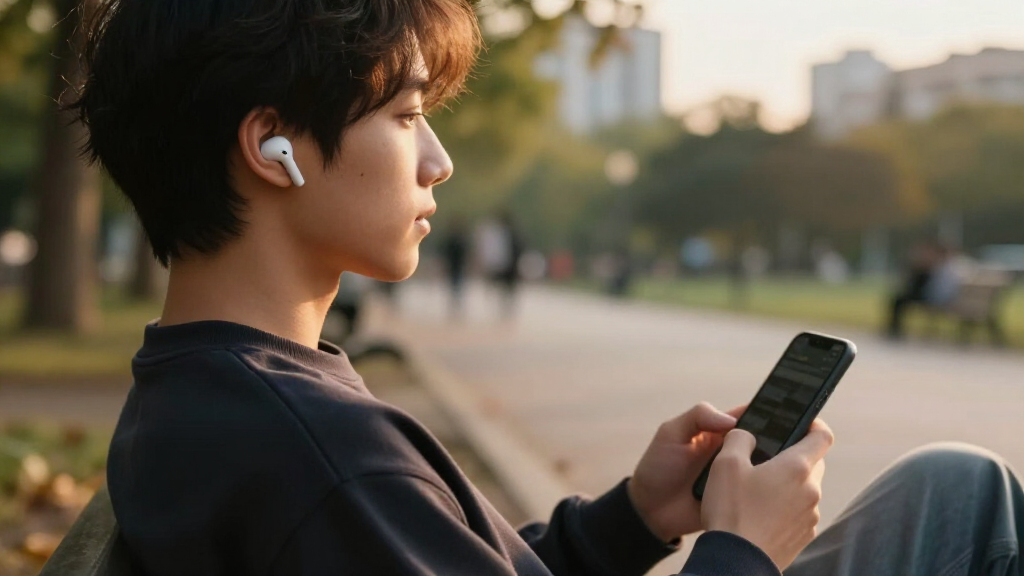
Even the smartest ANC tech can’t do much if your earbuds don’t fit well. A tight, secure seal in your ear canal blocks sound passively and boosts the cancellation effect. Poor fit means more external noise sneaks in and your ANC struggles to keep up.
Picture trying to listen with earbuds that keep slipping or don’t seal properly—suddenly, the noise feels twice as loud. Silicone tips with a snug fit are standard, but foam tips can mold better to your ear, offering superior passive isolation. But don’t just buy the fanciest pair—try different sizes and styles to find what stays put and feels comfortable.
For example, a runner might prefer a vented design that reduces pressure while still sealing well. Remember: a good fit isn’t just about comfort; it’s about making your noise-canceling tech work as intended. The implications are significant: poor fit not only diminishes noise cancellation but can also cause discomfort and fatigue, leading to less usage and reduced benefits. Therefore, investing time to find well-fitting earbuds can dramatically improve your overall experience and justify higher quality models that come with multiple tips or adjustable fittings.
best active noise cancelling earbuds for travel
As an affiliate, we earn on qualifying purchases.
As an affiliate, we earn on qualifying purchases.
The Key Features That Make or Break Your Noise-Canceling Experience
When shopping for noise-canceling earbuds, several features impact how well they perform and how comfortable they are. Here’s a quick comparison:
| Feature | Why It Matters |
|---|---|
| Adaptive ANC | Automatically adjusts noise cancellation based on environment, improving comfort and efficiency. This adaptability ensures the earbuds respond dynamically to changing noise levels, providing consistent silence without excessive battery drain or discomfort from over-cancellation. |
| Transparency Mode | Lets in ambient sound, so you stay aware—great for crossing streets or chatting without removing earbuds. This feature is crucial because it balances noise reduction with situational awareness, reducing the risk of accidents or missing important announcements. Its presence often indicates a more versatile and user-friendly device. |
| Microphone Quality | Crucial for clear calls and voice commands, especially in windy or noisy settings. High-quality microphones reduce background noise pickup, which is essential for communication clarity and safety, particularly if you use earbuds for work calls or voice assistants. |
| Codec Support | Higher-quality codecs (aptX, LDAC) can improve sound clarity and reduce latency, but only if your device supports them. These codecs can make a noticeable difference in audio fidelity, especially for audiophiles or those streaming high-resolution audio, but compatibility is key. Ignoring this can lead to subpar sound even with premium hardware. |
| Battery Life | ANC drains power. Expect around 5-8 hours of use, with some models offering quick-charging or extra case charges. Longer battery life enhances usability, especially during travel or extended use, but tradeoffs may include size or weight. Understanding this helps set expectations and plan usage accordingly. |
For example, the latest Apple AirPods Pro 2 offer adaptive ANC and a transparency mode that sounds natural, while Sony WF-1000XM5 excel in noise reduction and call clarity. Your choice depends on your priorities—sound quality, comfort, or smart features. Recognizing how these features interact and their implications on daily use allows for more informed decisions tailored to your lifestyle.
As an affiliate, we earn on qualifying purchases.
Frequently Asked Questions
How does active noise cancellation work?
Microphones on the earbuds detect environmental noise, and digital processors produce an inverse sound wave to cancel it out. This process is most effective against steady, low-frequency sounds like engine hums or air conditioning.
Does ANC block voices?
ANC can reduce voices, but because speech varies in frequency and intensity, it’s not perfect. A good fit, passive isolation, and transparency mode help improve clarity and awareness.
Are noise-cancelling earbuds safe?
Yes, they are safe for regular use. The main risk comes from listening at high volumes for long periods. Always keep volume levels reasonable and take breaks to protect your hearing.
Can ANC damage hearing?
No. ANC itself doesn’t harm your ears. The real concern is listening too loudly or for too long. Use volume limits and give your ears regular breaks.
Why do ANC earbuds make my ears feel pressured?
Some users feel a pressure sensation because of the reduction in low-frequency sounds, not actual air pressure changes. This sensation is a result of the brain adapting to the altered soundscape. Adjusting the fit, lowering ANC intensity, or switching to transparency mode can help mitigate this feeling. Recognizing that this is a common and benign experience can help users understand it’s related to how the brain perceives sound rather than any physical harm or air pressure change.
comfortable wireless earbuds for workouts
As an affiliate, we earn on qualifying purchases.
As an affiliate, we earn on qualifying purchases.
Conclusion
Effective noise cancellation isn’t just about fancy tech—it’s about fit, environment, and your expectations. When you understand these factors, you can pick earbuds that truly block out distractions and enhance your listening experience.
Next time you shop, think beyond price and brand. Focus on how the features match your lifestyle, and don’t settle for less than a snug fit and solid ANC. Your personal bubble of calm is just a good pair of earbuds away.
Halloween Picks
halloween
As an affiliate, we earn on qualifying purchases.