
TL;DR

Get the latest gadgets delivered free — and shop member deals
- Fast, free delivery on millions of items
- Access to Prime Big Deal Days deals on October 6–7
- Prime Video, Amazon Music and more included
A developer has released a web-based tool that uses OpenType ligature features to generate intentionally distorted, humorous fonts like ‘Times New Bastard.’ The tool runs client-side via WebAssembly, and interest is rapidly rising among tech communities. Exact origins and future plans remain unclear.
A developer has launched a web-based tool that exploits OpenType’s ligature feature to generate intentionally distorted and humorous fonts, such as the satirical ‘Times New Bastard.’ The tool, which runs entirely in the browser using WebAssembly, has quickly gained attention on Hacker News, reflecting a growing interest in playful font manipulation among tech enthusiasts.
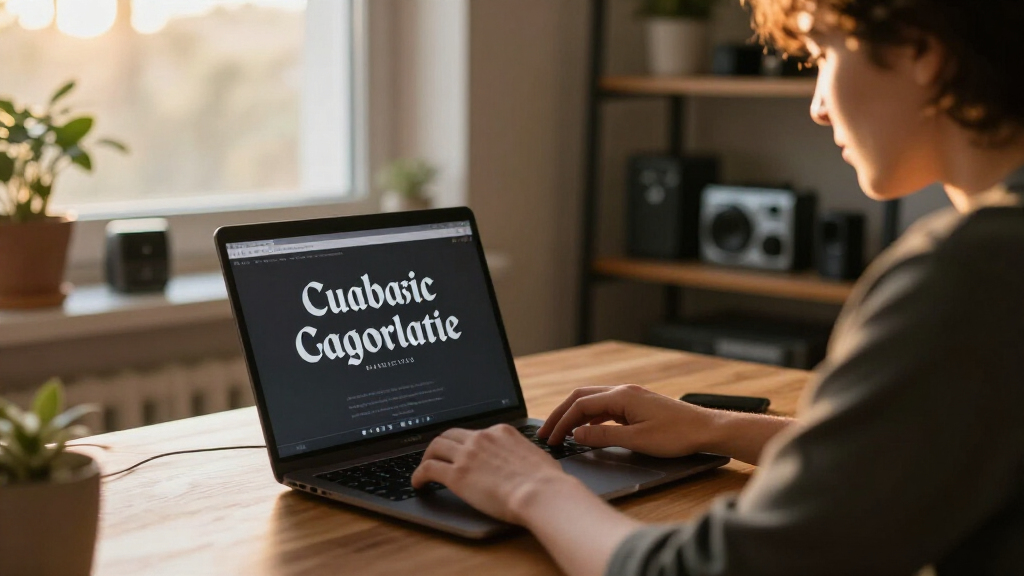
The tool, called ‘Make cursed fonts like Times New Bastard,’ allows users to create bizarre, distorted fonts by abusing font ligatures—special characters in OpenType fonts that define how certain character combinations are rendered. It operates client-side, leveraging WebAssembly to load Python code directly in the browser, enabling fast and interactive font generation without server dependencies.
According to the creator, the project was inspired by the desire to experiment with font features for humor and artistic expression, turning a technical aspect of font design into a playful tool. The interface is simple, allowing users to type text and see immediate visual distortions, often resulting in grotesque or humorous text styles that resemble ‘cursed’ fonts, a popular meme in online communities.
The release was posted on Hacker News under a show-and-tell format, where the developer demonstrated how the tool can produce fonts like ‘Times New Bastard,’ a parody of the classic Times New Roman font but with deliberate distortions and ligature abuses. The project has sparked significant interest, with many users sharing their own creations and experiments.
Potential Impact on Font Creativity and Meme Culture
This development highlights how technical features of font design, like OpenType ligatures, can be repurposed for humor and artistic expression, expanding the boundaries of digital typography. It also reflects a broader trend of playful experimentation within developer communities, where technical constraints are turned into creative tools. The rapid popularity of this tool suggests a growing appetite for meme-like, customizable fonts that can be used for jokes, social media, or artistic projects, potentially influencing future font design and meme culture.
Moreover, the use of WebAssembly to run Python directly in browsers exemplifies ongoing innovations in client-side web development, enabling complex applications without server reliance. This could inspire similar projects that blend technical font manipulation with accessible web interfaces, fostering more creative experimentation online.
As an affiliate, we earn on qualifying purchases.
Background of Font Manipulation and Meme Fonts
Manipulating fonts for humor or artistic purposes is not new; meme fonts like Impact or Comic Sans have long been part of internet culture. However, the specific use of font features like ligatures to create ‘cursed’ fonts is a more recent development, driven by advances in font technology and web development tools.
The trend of creating intentionally grotesque or humorous fonts has gained traction on platforms like Reddit, Twitter, and Hacker News, often as jokes or artistic statements. Prior to this tool, most font manipulation was limited to static images or simple edits, but recent innovations like WebAssembly have made interactive, client-side font manipulation feasible.
The specific inspiration for ‘Times New Bastard’ appears to stem from a broader meme culture celebrating ‘cursed’ images and text, which are intentionally distorted or unsettling. The use of OpenType features as a playground for such humor is a natural extension of this trend, leveraging the technical complexity of font design for creative expression.
As an affiliate, we earn on qualifying purchases.
Unclear Future Plans and Broader Adoption
It is not yet clear whether the developer plans to expand the tool’s features, release it publicly or commercially, or whether it will inspire a broader movement of similar font experiments. The long-term impact on font design or meme culture remains uncertain, as does the potential for official adoption or integration into mainstream design tools.
Additionally, while initial interest is high, the sustainability of the trend and its influence on professional typography are still unknown. The technical limitations and possible copyright issues related to font manipulation are also areas that remain unaddressed.
As an affiliate, we earn on qualifying purchases.
Next Steps for the Cursed Font Project
The developer is likely to gather user feedback and may release updates or a public version of the tool. Monitoring community responses on Hacker News and other platforms will shed light on whether this trend sustains momentum. Future developments could include additional font styles, customization options, or integration into other design applications.
Furthermore, other developers might create similar tools or extend the concept to broader font design or meme creation. Watching for official statements or new projects emerging from this initial release will be key to understanding its lasting impact.
As an affiliate, we earn on qualifying purchases.
Key Questions
What exactly does the tool do?
The tool allows users to type text and generate distorted, humorous fonts by abusing OpenType ligature features, creating ‘cursed’ font styles like ‘Times New Bastard.’ It runs entirely in the browser using WebAssembly and Python.
Is this tool available for public use?
As of now, the tool has been shared on Hacker News as a demonstration. It is not confirmed whether it will be officially released for public use or remain a personal project.
Can this influence professional font design?
While primarily a meme and artistic experiment, the technical approach could inspire new ways of thinking about font features. However, its direct impact on professional typography remains uncertain.
Are there any legal concerns with manipulating fonts this way?
Potential copyright or licensing issues could arise if proprietary fonts are used or redistributed without permission. The current project appears experimental and for personal or artistic use.
What does this trend say about online meme culture?
It illustrates how technical features can be repurposed for humor and artistic expression, reflecting a broader tendency to blend technology and meme culture for creative, often humorous, projects.
Source: hn
Fall Picks
fall essentials
As an affiliate, we earn on qualifying purchases.