

The Sony WH-1000XM5 and Bose QuietComfort Ultra Headphones are premium wireless noise-canceling models aimed at commuters, frequent travelers, and people who want a quieter place to work or listen. The real choice is whether to pay more for Bose’s exceptionally effective noise reduction and plush fit, or choose Sony for longer battery life, richer app controls, and typically lower cost. Both are capable everyday headphones, but their advantages matter in different situations: Bose makes the stronger case for long, noisy trips, while Sony is the more balanced purchase for listeners who value flexibility and ownership cost.

Get the latest gadgets delivered free with Prime
- Fast, free delivery on millions of items
- Prime Video, Amazon Music and more included
- Member-only deals all year

Sony WH-CH720N Wireless Noise Cancelling Over-Ear Headphones, Black
- ✔ Weight: 192 g
- ✔ Battery life: Up to 35 hours
- ✔ Quick charge: Three minutes for up to one hour of playback
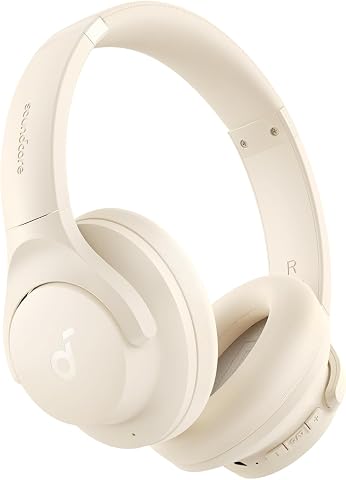
Soundcore by Anker Q20i Hybrid Active Noise Cancelling Headphones, White
- ✔ Battery life: Up to 40 hours with ANC on
- ✔ Quick charge: Five minutes for four hours of listening
- ✔ Noise control: Hybrid ANC; ANC, Normal, and Transparency modes

Hybrid Active Noise Cancelling Bluetooth Headphones Wireless Headphones
- ✔ Battery life: Up to 120 hours in standard mode at moderate volume
- ✔ Quick charge: Five minutes for four extra hours
- ✔ Noise control: Dual-microphone hybrid ANC
This comparison focuses on the shared decisions that most affect daily use: noise canceling, comfort, sound, battery, calls, controls and software, and value. Prices vary by retailer and sale, so the value judgment depends on the price you can actually find. Neither model is a universal winner; the deciding question is whether Bose’s comfort and quiet are worth its usual premium to you.
At a Glance
| Criteria | Sony WH-1000XM5 | Bose QuietComfort Ultra Headphones | Winner |
|---|---|---|---|
| Noise canceling | Excellent adaptive cancellation; strong all-around performance | Outstanding cancellation, especially for steady low-frequency noise | B |
| Comfort and fit | Light and comfortable for many listeners; fit is less plush | Plush ear cushions and a secure, comfortable fit for many users | B |
| Sound and listening features | Customizable sound, equalizer, and broad feature set | Engaging sound with Bose Immersive Audio modes | Depends |
| Battery life | Up to 30 hours with noise canceling on | Up to 24 hours; less with Immersive Audio enabled | A |
| Calls | Good for everyday calls; voice pickup can vary in wind and noise | Suitable for calls, though results depend on surroundings | Depends |
| Controls and app | Touch controls, multipoint, and extensive app settings | Physical controls and Bose app, with fewer adjustment options than Sony | A |
| Value | Usually costs less and offers a more rounded feature-to-price balance | Higher price makes sense chiefly for buyers who prize comfort and quiet | A |
Sony WH-CH720N Wireless Noise Cancelling Over-Ear Headphones, Black
The Sony WH-CH720N is our best overall pick because its strengths address several everyday needs at once: a light fit, active noise cancellation, ambient listening adjustments, and the ability to connect to two devices. At a stated 192 g, it is notably light by the product information provided, which may suit long listening sessions better than a heavier-feeling design. Sony also lists Dual Noise Sensor technology and an Integrated Processor V1, but those descriptions alone do not establish how strongly it will reduce a particular noise in a busy cabin or open office.Its Adaptive Sound Control and adjustable Ambient Sound mode give it an advantage over the Hybrid model, whose supplied listing focuses more on battery life than on ways to manage changing surroundings. Multipoint connection is another useful distinction: like the Soundcore Q20i, Sony can switch between two connected devices, so moving from laptop audio to a phone call can be simpler. Soundcore goes further in its listing with app EQ, Transparency mode, and an AUX cable; Sony’s case instead rests on lightweight design, ambient adjustments, and its described call features.Battery life is the clearest compromise. Sony states up to 35 hours, below Soundcore’s 40 hours with ANC on and well below the Hybrid model’s 120 hours in standard mode. A quick charge is listed as providing up to an hour of playback after three minutes, which can help when we forget to charge, but it does not erase the runtime gap. Buyers who prioritize low weight and a broad set of everyday features have the strongest case for Sony; those seeking maximum stated endurance or an explicitly wired listening option should look elsewhere.
Pros:
- Stated weight of 192 g supports a lightweight design.
- Adaptive Sound Control and adjustable Ambient Sound mode.
- Multipoint connection supports two connected devices.
- Quick-charge claim: three minutes for up to one hour of playback.
Cons:
- Listed battery life of up to 35 hours is shortest of these three claims.
- No app-based EQ or AUX cable is specified in the supplied details.
- The listing does not provide a directly comparable ANC reduction figure.
Best for: Listeners who want a lightweight over-ear ANC headset with ambient adjustments, multipoint pairing, and stated call-focused microphone features.
Not ideal for: People who prioritize the longest listed runtime, app-based EQ controls, or an included AUX listening option.
Bottom line: Choose the WH-CH720N for a well-rounded mix of low weight, ANC, ambient adjustments, and device switching, provided its stated battery life is enough for your routine.
“Choose the WH-CH720N for a well-rounded mix of low weight, ANC, ambient adjustments, and device switching, provided its stated battery life is enough for your routine.”
Soundcore by Anker Q20i Hybrid Active Noise Cancelling Headphones, White
The Soundcore Q20i is the most adjustable-feeling option on paper, thanks to its app controls and clear choice of listening modes. We can change EQ settings, pick from presets or build a custom profile, and switch between ANC, Normal, and Transparency modes. That makes it a strong fit for routines that shift between focused listening and moments when we need to hear a colleague or a transit announcement. The Hybrid model claims a longer standard-mode battery life, but its supplied description does not list the same kind of ambient listening controls.Soundcore also has a practical advantage for people who use a phone and laptop in the same day: multipoint pairing supports two devices, with audio switching between them. Sony lists the same general device-switching benefit, so this feature alone does not set the Q20i apart. Instead, the Q20i distinguishes itself with its app, Transparency mode, and included AUX cable. The cable enables wired listening and is described as supporting Hi-Res certified audio; wireless ANC, however, is not available in AUX-in mode according to the listing, so wired playback is not a substitute for every wireless feature.The stated battery life reaches 40 hours with ANC on, with a five-minute charge said to add four hours. That figure is shorter than the Hybrid model’s claimed 120 hours in standard mode, though the two claims use different listening conditions. Sony is lighter by a precise stated figure—192 g—while the Q20i listing gives its weight as 8.64 ounces. Buyers who value control and mode switching may prefer Soundcore; those who mainly want the longest claimed interval between charges should compare it with the Hybrid option, and those who want Sony’s stated lightweight design should consider the WH-CH720N.
Pros:
- App offers EQ presets, custom EQ, ANC, Normal, and Transparency modes.
- Up to 40 hours of playback with ANC on, according to the listing.
- Multipoint connection supports switching between two devices.
- Included AUX cable offers a wired listening option.
Cons:
- ANC is not available in AUX-in mode.
- Its stated ANC-on runtime is shorter than the Hybrid model’s standard-mode claim.
- The listing does not give a directly comparable noise-reduction figure.
Best for: Commuters and remote workers who want app-based EQ, Transparency mode, multipoint pairing, and the option of AUX listening.
Not ideal for: Listeners who want the longest stated battery life or need ANC to remain available while listening through AUX-in.
Bottom line: Choose the Q20i when app controls, Transparency mode, and wired flexibility matter more than the longest battery claim.
“Choose the Q20i when app controls, Transparency mode, and wired flexibility matter more than the longest battery claim.”
Hybrid Active Noise Cancelling Bluetooth Headphones Wireless Headphones
This Hybrid Active Noise Cancelling model is the endurance pick: its standout claim is up to 120 hours of playback in standard mode at moderate volume. That makes it the most compelling option here for buyers who dislike frequent charging or plan to use headphones throughout a long stretch of work or travel. The comparison needs a caveat: this is standard-mode runtime, while Soundcore states 40 hours with ANC on and Sony states up to 35 hours. Those figures describe different conditions, so they do not establish how long the Hybrid model lasts with ANC active.The listing describes dual-microphone hybrid ANC and claims it can eliminate up to 95% of ambient noise. That figure gives shoppers a headline, but the supplied information does not explain the measurement method or noise conditions. We should not treat it as directly comparable with Sony’s Dual Noise Sensor description or Soundcore’s four-microphone filtering claim. The product information also highlights memory foam ear cups and an adjustable headband, while Sony supplies a precise weight figure and Soundcore specifies app controls and a Transparency mode. Each description answers a different buyer question, and this one is most detailed about claimed endurance and basic comfort materials.A five-minute charge is said to provide four extra hours, matching Soundcore’s stated quick-charge result, while Bluetooth 6.0 and automatic reconnection are listed as connection conveniences. However, there is no headphone jack, and the supplied details do not identify multipoint pairing, a transparency mode, or an app for adjusting sound. This makes the model less clearly suited to switching devices or managing awareness than Sony and Soundcore. Choose it when its long standard-mode battery claim is the priority; choose the Q20i for clearer listening controls or Sony for a lighter design with adaptive ambient features.
Pros:
- Claims up to 120 hours of standard-mode playback at moderate volume.
- Five-minute charge is said to add four hours of playback.
- Dual-microphone hybrid ANC is specified.
- Adjustable headband and memory foam ear cups are listed.
Cons:
- The supplied battery claim is for standard mode, with no ANC-on runtime given.
- No headphone jack is listed.
- No multipoint connection, transparency mode, or companion app is specified.
Best for: Listeners who prioritize an unusually long claimed standard-mode runtime and want over-ear headphones for extended sessions.
Not ideal for: Buyers who need an AUX connection, listed multipoint pairing, a transparency mode, or clearer ANC runtime details.
Bottom line: Pick this model for its exceptional stated standard-mode endurance, while weighing the lack of detail on ANC-on runtime and listening controls.
“Pick this model for its exceptional stated standard-mode endurance, while weighing the lack of detail on ANC-on runtime and listening controls.”
As an Amazon Associate we earn from qualifying purchases.
Key Differences
The clearest advantage for Bose is how effectively it reduces surrounding sound while remaining comfortable over long listening sessions. That pairing can matter more than a spec-sheet difference if you commute through busy streets, fly often, or wear headphones for hours. Sony is also very good at canceling noise, but Bose has the edge for listeners whose main goal is to make a noisy environment feel calmer.
Sony answers with better endurance, a more configurable app, and a lower typical price. Its 30-hour rated battery gives it an advantage on long trips and across several days of use, while Sony’s sound controls let listeners tune the presentation more closely. Bose’s Immersive Audio can make compatible listening feel wider, but it reduces rated battery life and is a preference rather than a must-have. For most buyers, the practical tradeoff is paying a premium for Bose’s comfort and quieter listening, or keeping more money while getting a more flexible, longer-lasting Sony pair.
Detailed Comparison
Noise canceling (Bose QuietComfort Ultra Headphones wins — moderate)
Bose wins by a moderate margin for listeners facing persistent engine, cabin, or transit noise. Both models reduce background sound very well, and Sony remains a strong choice for commuting or office use. Bose’s cancellation is particularly compelling when quiet is the main purchase reason: it can make long stretches in a plane or train less tiring. The difference is not that Sony leaves noise unchecked; rather, Bose is the safer pick for frequent travelers who want the strongest hush. For ordinary home or desk listening, Sony’s performance is likely enough.
Comfort and fit (Bose QuietComfort Ultra Headphones wins — moderate)
Bose wins by a moderate margin for many people, thanks to its soft cushions and secure, relaxed feel. That is valuable when headphones stay on through a full workday or a long flight. Fit is personal, though: head shape, glasses, heat, and clamping preference can change which pair feels better. Sony is relatively light and comfortable, but the Bose design tends to feel more forgiving over extended sessions. If possible, try the fit before buying, especially if pressure around the ears has bothered you before.
Sound and listening features (moderate difference)
This is a preference-led result, so neither model clearly wins. Sony offers extensive equalizer controls, giving listeners a practical route to adjust bass, mids, or treble to taste. Bose delivers an engaging presentation and adds Immersive Audio, which can create a broader, more spatial effect for people who enjoy that style. The Bose feature is not automatically better for every recording, and some listeners will prefer conventional stereo. Choose Sony if tuning the sound matters; choose Bose if its spatial modes appeal to you after listening.
Battery life (Sony WH-1000XM5 wins — moderate)
Sony wins by a moderate margin on rated endurance: up to 30 hours with noise canceling, compared with up to 24 hours for Bose. Actual time varies with volume, settings, and use, but the gap gives Sony more room for long travel days and less frequent charging. Bose’s Immersive Audio further reduces its rated playback time, so buyers who plan to use that mode often should account for shorter sessions between charges. Bose’s battery is still suitable for everyday use; Sony simply provides more reserve.
Calls (minor difference)
There is no dependable winner for every caller. Both can handle routine voice and video calls, but microphone results depend on traffic, wind, room echo, and how the headphones sit. A frequent caller should judge these models by samples recorded in the conditions they actually face rather than assuming either will replace a dedicated headset in loud surroundings. For occasional calls at home or in a quiet office, both are practical. If call clarity is the top requirement, make it a separate deciding test.
Controls and app (Sony WH-1000XM5 wins — minor)
Sony wins by a minor to moderate margin for people who like to adjust their headphones. Its app provides a broad set of sound and listening settings, and the headphones support useful everyday functions such as multipoint connections. Bose keeps interaction straightforward with physical controls and a simpler app, which some users may prefer. The difference matters most to listeners who switch devices or regularly change sound settings. If you want to set your preferences once and leave them alone, Bose’s simpler approach is not a meaningful drawback.
Value (Sony WH-1000XM5 wins — moderate)
Sony wins for most buyers by a moderate margin because it combines strong cancellation with longer battery life, broad customization, and a usually lower purchase price. Bose’s premium is justified when the buyer will make regular use of its comfort and noise-canceling strengths, particularly on frequent trips or long listening days. If those advantages would improve daily use, the added cost can be worthwhile. If you mostly listen at a desk or commute occasionally, paying extra for Bose is harder to defend.
Sony WH-1000XM5: Pros and Cons
Pros:
- Longer rated battery life with noise canceling enabled
- Extensive app controls and equalizer options
- Strong noise reduction for commuting and office use
- Typically lower price than the Bose model
Cons:
- Noise canceling is not quite as compelling as Bose for some loud travel settings
- The fit may feel less plush over very long sessions
- Microphone performance can vary in noisy or windy surroundings
Bose QuietComfort Ultra Headphones: Pros and Cons
Pros:
- Outstanding noise canceling for frequent travelers
- Plush cushions and a comfortable feel for extended wear
- Immersive Audio offers a spatial listening option
- Physical controls are straightforward to use
Cons:
- Higher price makes the value case more specific to comfort and quiet
- Shorter rated battery life than Sony
- Immersive Audio use reduces playback time
- Fewer sound adjustment options than Sony
Who Should Choose What
Choose Sony WH-1000XM5 if:
- You want premium noise canceling but also care about keeping the purchase price down.
- You regularly forget to charge headphones or need more battery reserve on trips.
- You like adjusting equalizer settings and other app features.
- You want one pair for commuting, work, and travel without paying chiefly for a comfort upgrade.
Choose Bose QuietComfort Ultra Headphones if:
- You fly or use noisy transport often and want the strongest noise reduction between these two.
- You wear headphones for hours and prioritize soft cushioning and a relaxed fit.
- You are willing to pay more for comfort and quiet that you will use often.
- You have tried Immersive Audio and prefer its broader presentation.
Skip both if: You need headphones built for strenuous exercise, the lowest possible price, or consistently clear calls in loud outdoor conditions; a sport-focused, budget, or dedicated call headset may suit you better.
Value for Money
Sony is the better value for most people because its lower typical price buys strong noise canceling, an extra six hours of rated battery life, and more detailed sound controls. Those advantages are useful across ordinary routines, not only on flights. If the two models are close in price during a sale, the decision becomes more about fit and preferred sound than savings.
Pay more for Bose when its advantages solve a frequent problem: hours spent on planes or trains, sensitivity to background noise, or discomfort with less cushioned headphones. In those cases, better quiet and a fit you enjoy can make the premium worthwhile every week. If you travel only occasionally or mostly listen in quiet rooms, Sony’s lower cost is the more sensible use of your budget.
Final Verdict
For most buyers, choose the Sony WH-1000XM5. It is the more rounded purchase, with longer battery life, greater sound customization, and a lower typical price while still providing excellent noise canceling. Choose the Bose QuietComfort Ultra Headphones if comfort and the strongest possible quiet are your main priorities, especially for regular flights or long listening sessions. The biggest deciding factor is how often Bose’s comfort and noise-canceling edge will improve your day: if that happens often, its premium can be justified; if it does not, Sony is the smarter buy.
Frequently Asked Questions
Which headphones cancel noise better?
Bose QuietComfort Ultra has the edge for listeners who want the strongest reduction of steady background noise, especially during air or rail travel. Sony WH-1000XM5 is also very capable and should satisfy many commuters and office listeners. The difference matters most in persistently loud environments.
Are the Bose headphones worth paying more for?
They can be worth the extra cost if you wear headphones for long periods or travel often and place a high value on comfort and quiet. If you listen mostly at home or want more battery life and sound controls for less money, Sony is the stronger value.
Which pair lasts longer on a charge?
Sony rates the WH-1000XM5 for up to 30 hours with noise canceling on, compared with up to 24 hours for Bose QuietComfort Ultra. Bose playback time falls further when Immersive Audio is active. Real-world battery life varies with volume and settings.
Which is better for all-day wear?
Bose is the better starting point for all-day comfort because of its plush cushions and relaxed fit. Comfort varies by head shape and personal preference, so try both if you can. Sony is light and comfortable for many people, but some users may prefer Bose over a long session.
Which should I buy for commuting?
Choose Bose if your commute is especially noisy and you value maximum quiet. Choose Sony if you want strong cancellation alongside longer battery life, more app control, and a lower typical price. For a short or relatively quiet commute, Sony is likely the better value.