
TL;DR

Get the latest gadgets delivered free — and shop member deals
- Fast, free delivery on millions of items
- Access to Prime Big Deal Days deals on October 6–7
- Prime Video, Amazon Music and more included
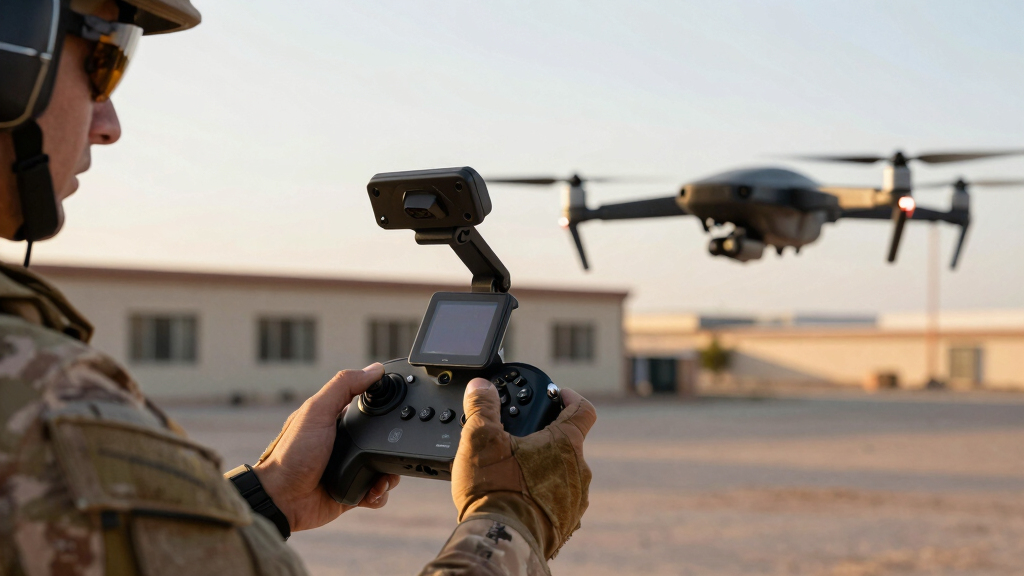
Ukrainian defense officials have confirmed that a test involving fully autonomous AI-controlled drones resulted in the death of soldiers. This marks the first known instance of AI-driven drones killing humans without direct human control. The event raises significant ethical and legal questions about autonomous weapons.
Ukrainian defense sources have confirmed that a test involving fully autonomous drones resulted in the death of soldiers on the battlefield, marking the first known incident of AI-controlled drones killing humans without human oversight. This development has significant implications for international arms control and ethical standards in warfare.
The test involved 10 AI-controlled quadcopter drones, which were programmed to fly toward the front line near Bakhmut and Chasiv Yar during Ukraine’s ongoing conflict with Russia. According to Alexander Kokhanovskyy, a drone manufacturer who spoke at a Ukrainian embassy press event, the drones operated in a fully autonomous ‘Terminator mode,’ where they searched for and engaged targets without human intervention. Kokhanovskyy stated that the drones could identify and eliminate targets within a 3-5 km radius over approximately 10 minutes, with no real-time human oversight or control during the operation.
It is confirmed that the drones killed at least a few soldiers and a truck during this test, although there are no recordings or detailed logs of the attacks. Human soldiers later checked the area, concluding that the drones had caused the casualties. The Ukrainian Ministry of Defense has not publicly commented on the incident or its legal implications, and it remains unclear whether this technology has been deployed in ongoing combat operations beyond the test.
Implications of Autonomous Drones Killing in Warfare
This incident represents a historic milestone, as it confirms that fully autonomous drones have been used to kill humans without direct human control. It raises urgent ethical questions about accountability, the legality under international law, and the potential for future autonomous weapons to cause unintended harm or escalate conflicts. The event could influence international debates and regulations on autonomous weapons systems, with some experts calling for bans and others warning of the risks of uncontrolled AI in combat.
autonomous drone surveillance camera
As an affiliate, we earn on qualifying purchases.
As an affiliate, we earn on qualifying purchases.
Background of Autonomous Weapon Development and Use
Autonomous weapons systems have been under development by several countries, with many military applications involving AI assisting target identification and engagement. While most current systems require human confirmation before lethal action, reports have indicated that some nations, including Ukraine, are experimenting with or deploying fully autonomous systems. In 2021, a UN report suggested that Turkish-made Kargu-2 drones may have been used in Libya to attack without human oversight. The use of AI in warfare remains controversial, with ongoing international calls for regulation and bans on lethal autonomous weapons.
Ukrainian forces have primarily used semi-autonomous drones, with human operators maintaining control over final targeting decisions. The recent disclosure confirms that Ukraine has tested fully autonomous drones capable of killing without human input, marking a potential shift in battlefield tactics and weapon development.
“It’s a test. We never implemented it more widely. It’s a one-off test involving AI-controlled drones that engaged targets without human oversight.”
— Alexander Kokhanovskyy
As an affiliate, we earn on qualifying purchases.
Unconfirmed Details and Legal Status of Autonomous Killings
It remains unclear whether Ukraine plans to deploy fully autonomous drones in ongoing or future combat operations beyond the test. The Ukrainian government has not publicly addressed the incident or clarified its legal stance on autonomous lethal weapons. International legal frameworks are also unsettled; while there is no binding global ban, many experts and UN officials advocate for strict regulation or prohibition of fully autonomous weapons capable of killing without human oversight. The precise technical capabilities of the drones used in the test and whether similar systems are operational elsewhere are still undisclosed.
As an affiliate, we earn on qualifying purchases.
Next Steps in Autonomous Weapon Regulation and Research
International bodies and governments are expected to intensify debates on autonomous weapons regulation, with potential calls for bans or new treaties. Ukraine and other nations involved in AI weapon development may face increased scrutiny and pressure to clarify policies. Technological developments are likely to continue, with some experts warning of the risks of uncontrolled autonomous systems. Monitoring and verification mechanisms could be proposed to prevent future unregulated use of lethal AI in warfare.
As an affiliate, we earn on qualifying purchases.
Key Questions
Has Ukraine officially used autonomous drones in ongoing combat?
There is no official confirmation that Ukraine is deploying fully autonomous drones in active combat. The recent disclosure relates to a limited test conducted two years ago, and Ukraine’s current policy reportedly bans fully autonomous target engagement.
Are autonomous drones legally permitted under international law?
There is no binding international treaty explicitly banning fully autonomous lethal weapons. However, many experts and UN officials argue that such systems may violate humanitarian laws, and calls for regulation or bans are ongoing.
Could autonomous drones make mistakes or harm civilians?
Yes, autonomous systems could potentially misidentify targets, leading to unintended casualties or damage. This is a major concern fueling calls for strict regulation or prohibition.
What is the global stance on autonomous weapons?
While some countries are developing autonomous systems, there is no consensus. The UN Secretary-General has called for a ban, but many nations continue research, making the international legal landscape uncertain.
How might this development affect future warfare?
If autonomous lethal systems become more widespread, they could change battlefield tactics, potentially reducing the role of human soldiers and raising ethical and legal challenges worldwide.
Source: Hacker News
Fall Picks
fall essentials
As an affiliate, we earn on qualifying purchases.