
TL;DR

Get the latest gadgets delivered free with Prime
- Fast, free delivery on millions of items
- Prime Video, Amazon Music and more included
- Member-only deals all year
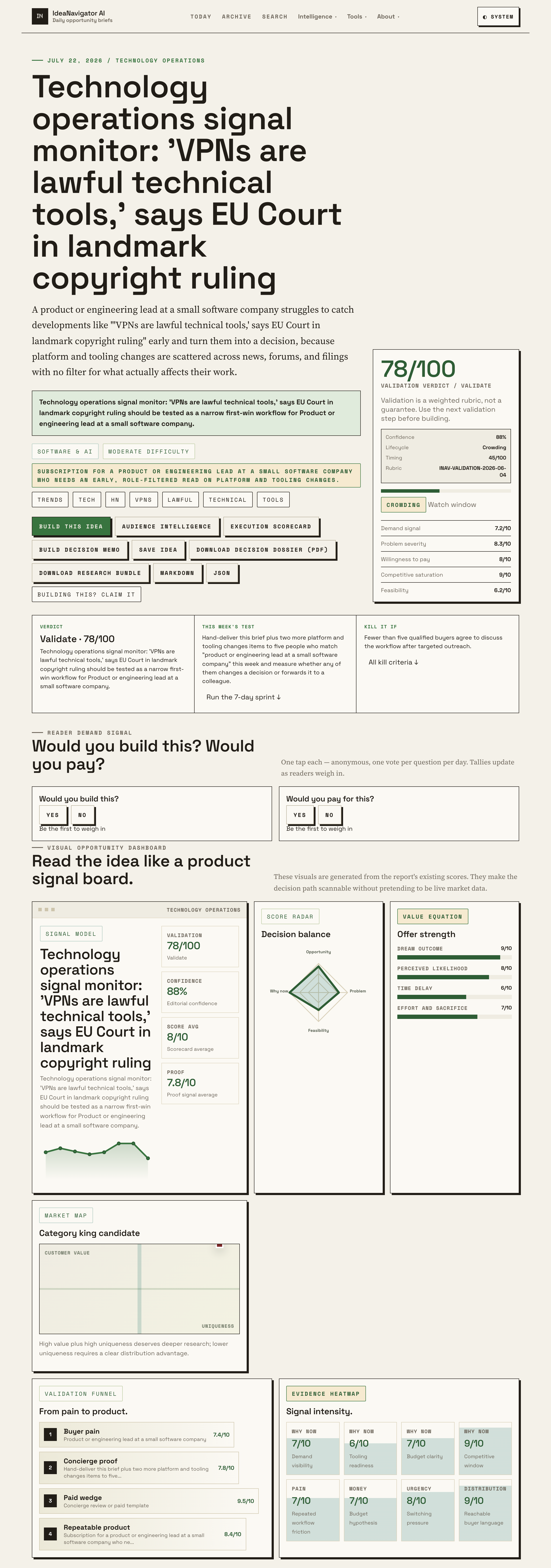
The European Court of Justice has confirmed that VPNs are lawful technical tools. This ruling clarifies their legal status and impacts digital privacy policies across the EU. The decision is a landmark in digital rights law.
The European Court of Justice has officially ruled that VPNs (Virtual Private Networks) are lawful technical tools, providing a clear legal stance amid ongoing debates over their use in digital privacy and copyright enforcement. This decision impacts how VPN services are viewed within the EU and clarifies their status in legal contexts.
The ruling was issued in a landmark case concerning digital rights and copyright law, where the court emphasized that VPNs serve legitimate technical purposes and should not be considered illegal tools solely based on their use. The court’s decision was based on the principle that VPNs are essential for privacy, security, and lawful online activities. For more on how VPNs support online security, see this analysis of Apple’s SpeechAnalyzer API.
According to the court’s statement, “VPNs are lawful technical tools,” reinforcing that their use is protected under EU law when employed for legitimate purposes. The ruling does not ban or restrict VPNs but clarifies their status as lawful, provided they are used within legal boundaries.
Legal Clarification on VPN Usage in the EU
This ruling is significant because it provides legal reassurance for VPN providers and users across the European Union. It sets a precedent that VPNs are recognized as legitimate technical tools, which could influence future regulatory decisions and copyright enforcement policies. For small software companies and digital rights advocates, this clarification supports privacy rights and the lawful use of privacy-enhancing technologies.
As an affiliate, we earn on qualifying purchases.
Background of Digital Rights and VPN Legal Status
Debates over VPN legality have intensified in recent years, especially amid increased copyright enforcement and surveillance measures. Prior to this ruling, some jurisdictions questioned whether VPNs could be considered legal tools or if their use constituted circumvention of copyright or security laws. The EU Court’s decision aligns with broader efforts to protect digital privacy and legitimate technical practices within the EU legal framework.
This case follows a series of legal clarifications around digital privacy tools, emphasizing the importance of distinguishing between lawful use and illegal activities facilitated by such tools. The ruling marks a significant step in defining the legal boundaries for VPNs in the EU.
“”VPNs are lawful technical tools, and their use for legitimate purposes is protected under EU law.””
— EU Court spokesperson
As an affiliate, we earn on qualifying purchases.
Remaining Questions on Enforcement and Scope
While the ruling clarifies the legal status of VPNs as technical tools, it remains unclear how this will influence enforcement practices or whether specific restrictions could still be imposed under other laws. The court did not specify detailed regulations or limits on VPN use, leaving room for future legal challenges or policy adjustments.
As an affiliate, we earn on qualifying purchases.
Monitoring Future Legal and Regulatory Developments
Legal experts anticipate that this ruling will lead to clarifications in national regulations across EU member states. VPN providers may seek to update their compliance strategies, and policymakers might consider new guidelines to align enforcement with this legal interpretation. Additionally, ongoing debates about digital privacy and copyright enforcement are expected to continue, with potential cases testing the boundaries of this ruling.
As an affiliate, we earn on qualifying purchases.
Key Questions
Does this ruling ban or restrict VPN use in the EU?
No, the ruling affirms that VPNs are lawful technical tools when used for legitimate purposes. It does not impose restrictions but clarifies their legal status.
How does this affect small software companies and digital rights advocates?
It provides legal reassurance that using VPNs for privacy and security is protected, supporting their rights and operational practices within the EU.
Will this ruling impact copyright enforcement strategies?
The ruling clarifies the legality of VPNs but does not directly alter enforcement strategies. Future policies may evolve based on this legal clarification.
Are there any limitations to this ruling?
Yes, the court did not specify detailed regulations or limits on VPN use, so violations of other laws could still be subject to enforcement.
What should VPN providers do next?
Providers should review their compliance strategies and stay informed about ongoing legal developments related to digital privacy and enforcement in the EU.
Source: IdeaNavigator AI
Fall Picks
fall essentials
As an affiliate, we earn on qualifying purchases.