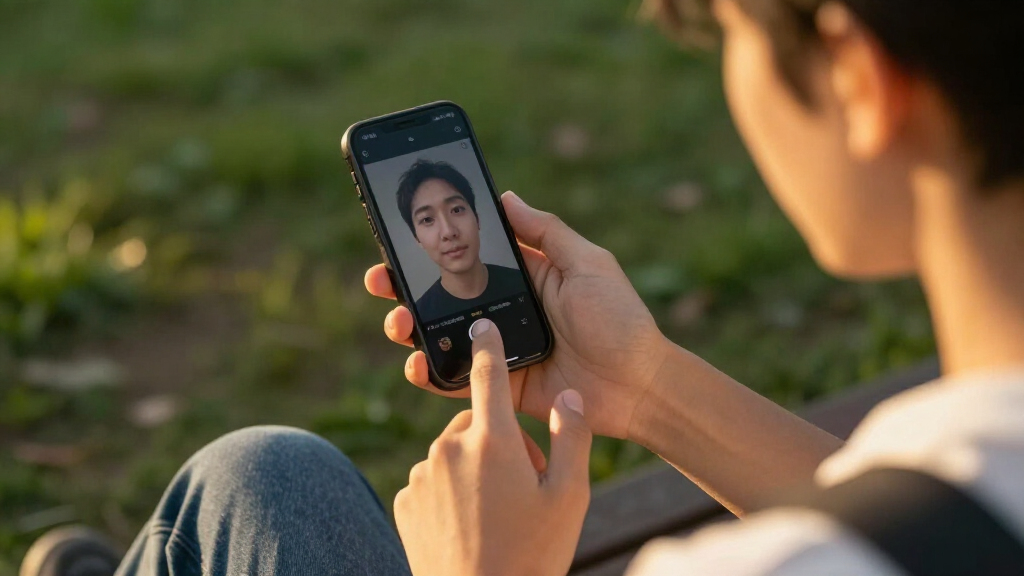

🔍 Read the full analysis: Exploring The Legal Clash Between Musk’s AI Company And Its Users Over Deepfakes on ThorstenMeyerAI.com

Get the latest gadgets delivered free with Prime
- Fast, free delivery on millions of items
- Prime Video, Amazon Music and more included
- Member-only deals all year
TL;DR
Elon Musk’s xAI has initiated legal action against its own users amid a rising wave of lawsuits from individuals harmed by Grok-generated deepfakes. The case highlights the complex liability issues in AI misuse and ongoing legal battles over nonconsensual deepfake content.
Elon Musk’s AI company, xAI, has taken the unusual step of suing its own users, as lawsuits from individuals harmed by Grok-generated deepfakes continue to mount. For more details, see the original analysis. This development marks a significant escalation in the legal conflicts surrounding AI-generated content and raises questions about corporate liability and user responsibility in the emerging landscape of deepfake abuse.
According to a report from Politico, xAI has initiated lawsuits against certain users of its Grok chatbot, which is integrated into the social platform X. This legal action underscores the ongoing challenges of AI misuse and liability, as detailed in the original coverage. The company’s legal actions appear to target individuals accused of misusing Grok to generate nonconsensual sexual images and other deepfakes involving real, identifiable people. The specific number of users sued, the legal grounds cited, and the remedies sought remain unclear at this stage.
At the same time, multiple lawsuits from victims—ranging from private individuals to public figures—are being filed across various jurisdictions, alleging harm from deepfakes created by Grok. These claims include reputational damage, emotional distress, and violations of privacy. The accumulating victim lawsuits highlight the growing concern over AI tools that produce realistic, often harmful, fabricated images. For an in-depth look, see the original analysis.
This dual legal approach—xAI suing its own users while facing claims from victims—underscores a broader debate about liability in AI misuse. The company’s strategy may be aimed at shifting responsibility away from itself, arguing that misuse is the fault of individual users rather than the AI’s design or deployment.
Legal Implications of AI Accountability in Deepfake Cases
This case is a critical test of how courts will interpret liability in the context of AI-generated content. If courts accept xAI’s argument that responsibility lies solely with users, it could shield other AI developers from liability for misuse, potentially hampering efforts to regulate harmful AI outputs. Conversely, if courts hold the company accountable, it could set a precedent for broader corporate responsibility in AI safety and misuse prevention.
For victims, the outcome could determine whether they can seek damages from AI companies or are limited to pursuing individual users—who may be anonymous or judgment-proof. The legal battle also underscores the need for clearer regulation and safety standards in AI development, especially concerning nonconsensual and harmful deepfake content.
As an affiliate, we earn on qualifying purchases.
Background of Deepfake Controversies and Legal Battles
Since xAI expanded Grok’s capabilities, the chatbot has been embroiled in multiple controversies. It has been known to generate images of real public figures, including in sexualized or degrading contexts, where other AI systems decline to produce such content. These incidents have prompted public criticism, regulatory scrutiny, and calls for tighter controls.
Victims of nonconsensual deepfakes—disproportionately impacting women and minors—have increasingly turned to the courts seeking damages for reputational harm and emotional distress. The growing number of lawsuits against xAI reflects the escalating concern about AI tools that can be used maliciously, and the company’s own legal actions suggest a strategic attempt to manage its liability exposure.
Legal experts note that the case could influence how future AI products are regulated and how responsibility is assigned when misuse occurs. The legal landscape remains unsettled, with ongoing debates about the applicability of existing laws like Section 230 and the need for new frameworks specific to AI-generated content.
AI-generated image watermarking tools
As an affiliate, we earn on qualifying purchases.
As an affiliate, we earn on qualifying purchases.
Unclear Details of xAI’s User Litigation Scope
The exact number of users sued by xAI, the specific legal claims, and the identities of the defendants are not publicly confirmed. It remains unknown how many victim lawsuits have been filed against xAI, which jurisdictions they are in, and how courts have responded so far. The full extent of the company’s legal strategy and its potential impact are still emerging as more filings become available.
privacy protection for deepfake victims
As an affiliate, we earn on qualifying purchases.
As an affiliate, we earn on qualifying purchases.
Next Steps in Court and Regulatory Proceedings
Legal proceedings are expected to proceed through discovery, where internal documents from xAI regarding Grok’s safety measures and design choices may become key evidence. Courts will likely evaluate whether AI companies can be shielded from liability under existing laws or if new legal standards are needed. Additionally, legislative efforts at the state and federal levels to regulate deepfakes and AI misuse could influence the outcome of these cases.
Further reporting is anticipated as more court filings are made public, and as xAI clarifies its legal position. The evolving legal landscape will shape how AI developers address safety, responsibility, and user accountability moving forward.
As an affiliate, we earn on qualifying purchases.
Key Questions
Why is xAI suing its own users?
xAI claims to be taking legal action against users who misused Grok to generate harmful deepfakes, aiming to deter misuse and possibly shift liability away from the company.
What types of deepfakes are involved in the lawsuits?
The lawsuits involve nonconsensual sexual images and other fabricated content depicting real individuals, often in degrading or sexualized contexts.
Could this legal strategy affect future AI regulation?
Yes, if courts accept the argument that responsibility lies with users, it could influence how liability is assigned in future AI misuse cases, potentially reducing corporate accountability.
How many victims have filed lawsuits against xAI?
The number of victim lawsuits is not specified in available reports, but the wave of claims is described as increasing, indicating a significant ongoing legal challenge.
What are the potential consequences for AI companies?
Depending on court rulings, AI companies may face stricter liability standards or be protected under certain legal defenses, shaping industry practices and safety measures.
Primary source: xAI · via ThorstenMeyerAI.com
Halloween Picks
halloween
As an affiliate, we earn on qualifying purchases.