📊 Full opportunity report: The Automotive Retail Implications Of Toyota, Nissan, And Honda Standardizing Parts on IdeaNavigator AI — validation score, market gap, and execution plan.

Get the latest gadgets delivered free with Prime
- Fast, free delivery on millions of items
- Prime Video, Amazon Music and more included
- Member-only deals all year
TL;DR
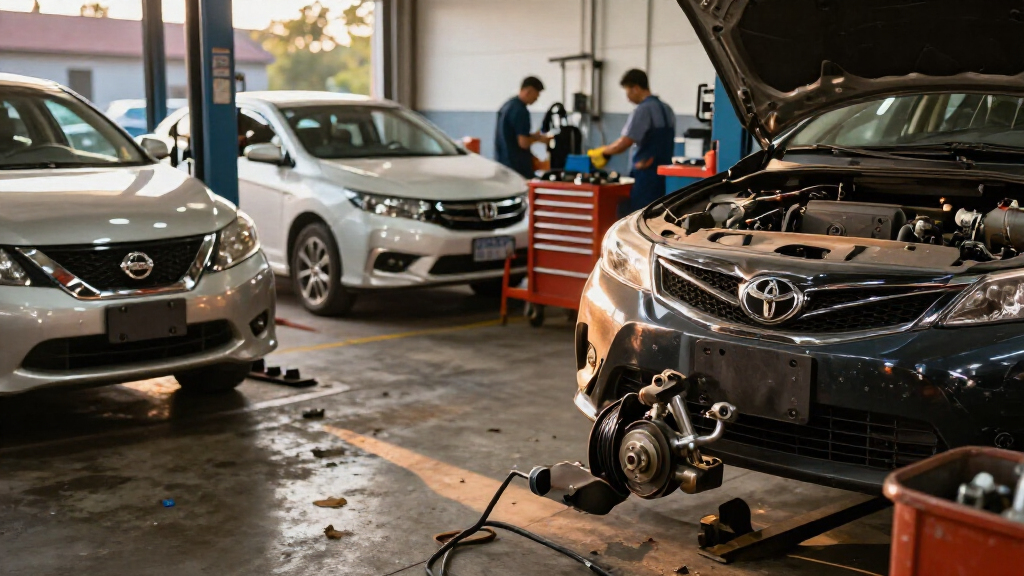
A business-idea brief points to a reported Toyota, Nissan and Honda effort to standardize parts to reduce costs. The available information does not confirm which parts, markets, timeline or retail arrangements are involved, so dealerships and repair shops should treat the development as unverified pending company or supplier details.
An IdeaNavigator AI brief has flagged a reported plan by Toyota, Nissan and Honda to standardize some parts to lower costs, framing it as a potential development for independent dealerships and auto shops. The brief does not cite company statements or specify the parts, markets or timing, so the reported plan and its likely retail effects remain unconfirmed.
The brief describes the development as an automotive retail signal, rather than documenting a formal announcement. It offers no details on whether standardization would cover components shared across vehicle models, parts procurement, manufacturing specifications or another area. It also does not identify a proposed agreement or say whether the three automakers would coordinate directly.
For retailers, the practical question is whether any changes would affect parts availability, purchase costs, repair procedures or vehicle servicing. Those effects cannot be established from the information provided. No figures for expected savings, affected models, participating suppliers or changes to dealer operations are included.
IdeaNavigator AI presents the item as an example of news that a role-specific monitoring service could turn into a short operational brief. Its proposal is to track automotive developments and explain what changed, why it matters and what a business might do. The brief’s 88/100 signal score is presented without a scoring method, comparison baseline or measurement period, so it should not be read as evidence of industry impact.
Toyota, Nissan and Honda Parts Standardization
A brief flags a reported effort to standardize parts and lower costs. There is no company confirmation or detail to show what it could mean for retailers.
What retailers know
The brief frames this as a monitoring lead, not a formal announcement.
- Toyota, Nissan and Honda may standardize some parts.
- The stated aim is to reduce costs.
- No company statement or supplier confirmation is cited.
- Parts, markets, timing and retail arrangements are unspecified.
Possible effects on shops
Any impact depends on whether a real program reaches parts available to independent businesses.
Availability
Shared specifications could affect supply, but no changes are documented.
Purchase prices
The cost-saving aim is stated; no savings or lower retail prices are established.
Repairs
Interchangeability, repair procedures and customer wait times remain unknown.
What to verify next
Company and supplier details would show whether the report affects a shop’s vehicles and supply channels.
Check for announcements from Toyota, Nissan and Honda.
Look for covered parts, vehicle lines, markets, suppliers and timing.
Review supplier catalogs, dealer communications and service guidance.
Potential Effects on Parts and Repairs
If the automakers do standardize parts, independent shops could eventually see changes in the cost or availability of some components. Shared specifications can, in some arrangements, affect how suppliers produce and distribute parts. But there is no evidence here that such outcomes have been agreed or will reach independent repair businesses.
Dealership owners and service managers would need to know which vehicles and components are covered, whether the parts would be interchangeable, and whether existing supplier contracts or manufacturer restrictions would apply. A change that affects only production purchasing may have little immediate effect on the parts an independent shop can order. Conversely, a change that reaches the aftermarket could influence inventory choices, repair estimates and customer wait times.
For now, the development is best treated as a monitoring lead, not a basis for changing stock or pricing. Retailers can look for official announcements and supplier guidance before adjusting orders or advising customers. That distinction matters because premature decisions based on an incomplete headline could leave a small business holding unnecessary inventory or relying on savings that have not been documented.
Products Worth Considering

LG UltraGear 32-inch QHD Curved Gaming Monitor, 180Hz, 1ms, AMD FreeSync

Bose QuietComfort Ultra Earbuds (2nd Gen), Wireless Noise-Cancelling Earbuds, Black

LG UltraGear 27GX700A-B 27-Inch QHD OLED Gaming Monitor
As an affiliate, we earn on qualifying purchases.
How the Retail Signal Was Framed
IdeaNavigator AI’s brief is primarily a proposal for a news-monitoring product aimed at owners or sales leads at independent dealerships and auto shops. It says those businesses can struggle to catch developments across news, forums and filings, then decide whether a development affects their work. The example about Toyota, Nissan and Honda is used to illustrate the kind of item the proposed service would filter and summarize.
The proposed minimum product would monitor Hacker News and similar feeds for vehicle launches, recalls and regulation, then produce short briefs for a defined retail audience. The brief says Hacker News surfaced this item with an 88/100 signal, but does not provide the underlying post, its publication date or supporting reporting. That score describes the brief’s assessment, not a verified measure of commercial importance.
To test demand for the service, the proposal suggests delivering the brief and two other automotive developments to five independent dealership or shop owners or sales leads, then checking whether anyone changes a decision or shares the information. That proposed test is separate from verification of the parts-standardization report; the brief does not say the test has taken place.
Scope and Confirmation Still Missing
The brief provides no official statement from Toyota, Nissan or Honda and names no supplier or industry group confirming the reported plan. It does not state when the development was reported or whether the companies have agreed to a specific initiative. The description therefore does not establish that a formal standardization program exists.
Key details remain unknown: which parts might be covered, which vehicle lines or countries could be affected, how any standards would be set, and whether independent retailers would be able to buy the resulting components. The potential effect on costs is also unquantified. The stated goal of lowering costs appears in the description of the development, but no projected savings or evidence of lower retail prices is supplied.
The brief also does not establish whether standardization would change safety requirements, warranties, repair information or access to replacement parts. Those questions would depend on the design and scope of any actual program. Until more information is available, claims about consumer savings, shop profitability or faster repairs would be speculative.
Watch for Company and Supplier Details
The next reporting step is to seek confirmation from the three automakers and check for any announcement that identifies the parts, participating suppliers, markets and schedule. Retailers should also watch for supplier catalog updates, dealer communications and service guidance, which could clarify whether a proposed change reaches independent businesses.
In the meantime, owners and sales leads can keep the item on their watch list without changing purchasing plans on the basis of the brief alone. Any decision about inventory, repair estimates or customer messaging should wait for verifiable details relevant to the shop’s vehicle mix and supply channels. IdeaNavigator AI proposes testing its monitoring concept with five target users, but reports no results from that test.
Source: IdeaNavigator AI
Key Questions
Have Toyota, Nissan and Honda confirmed a parts-standardization plan?
The brief does not provide a company announcement or other primary confirmation. It presents the development as a reported signal, so its status remains unverified based on the information available here.
Which parts would be standardized?
No parts, vehicle models or component categories are specified. It is also unclear whether the report concerns shared manufacturing specifications, procurement or another type of standardization.
Could independent repair shops see lower parts costs?
That is possible in principle if a program affects parts supplied to the aftermarket, but no savings estimates or evidence of an effect on independent shops are provided. Retailers would need supplier and company details before changing budgets or prices.
What does the 88/100 signal score mean?
IdeaNavigator AI gives the item an 88/100 score, but does not explain the scoring method, comparison baseline or time period. The figure should not be treated as a measure of confirmed industry impact.
Source: IdeaNavigator AI