
TL;DR

Get the latest gadgets delivered free — and shop member deals
- Fast, free delivery on millions of items
- Access to Prime Big Deal Days deals on October 6–7
- Prime Video, Amazon Music and more included
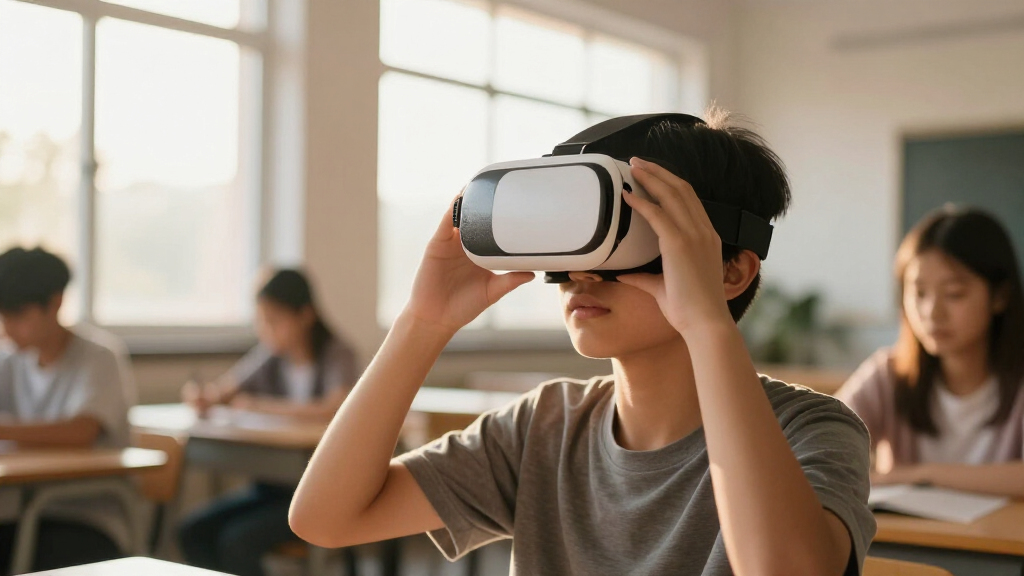
Hermantown Schools have begun implementing virtual reality classes to improve student engagement and learning outcomes. The program is currently in pilot phase, with plans for broader adoption. This development reflects growing interest in immersive learning tools in K-12 education.
Hermantown Schools have officially launched virtual reality (VR) classes for students, aiming to improve engagement and learning outcomes. The initiative, introduced in the current academic year, is part of the district’s broader effort to incorporate innovative technology into the classroom to prepare students for a digital future. The program is currently in a pilot phase across select grades, with plans for expansion based on initial results.
The district announced the integration of VR technology into its curriculum at a press conference on March 15, 2024. The VR classes utilize headsets and immersive software to teach subjects such as science, history, and geography. According to district officials, the goal is to make lessons more interactive and engaging, helping students grasp complex concepts more effectively. The pilot program involves approximately 300 students across three elementary and middle schools, with feedback collected from teachers and students to assess the impact.
Hardware for the VR program was funded through a combination of district budget allocations and grants aimed at promoting educational innovation. Teachers involved in the pilot have undergone specialized training to integrate VR into their lesson plans effectively. Early reports suggest increased student participation and enthusiasm, though comprehensive data on academic outcomes is still being gathered. The district plans to evaluate the program’s success over the next academic year before deciding on full-scale implementation.
Hermantown Schools Introduce Virtual Reality Classes for Enhanced Learning
Hermantown Schools have launched virtual reality (VR) classes to improve student engagement and learning outcomes. Announced on March 15, 2024, the initiative uses headsets and immersive software to teach science, history, and geography — preparing students for a digital future.
Why Immersive Learning Matters
The shift toward VR classrooms represents a significant move away from traditional teaching methods — with potential benefits for engagement, comprehension, and motivation across K-12 education.
Interactive Lessons
Early reports from the pilot show increased student participation and enthusiasm, with immersive experiences replacing passive instruction in select lessons.
Complex Concepts, Visualized
VR helps students grasp difficult topics in science, history, and geography by making abstract content tangible and explorable in three dimensions.
A Digital Future
The initiative is part of the district’s broader effort to incorporate innovative technology, preparing students for increasingly digital careers and workflows.
From Announcement to Full Adoption
The district follows a structured evaluation path: pilot, measure, review, and only then decide on district-wide implementation.
Announcement & Funding
March 2024 press conference. Hardware funded through district budgets plus innovation grants.
Teacher Training
Specialized training helps teachers integrate VR seamlessly into existing lesson plans and manage sessions safely.
Pilot & Data Collection
~300 students across three schools. Feedback gathered from teachers and students throughout the academic year.
Formal Review & Expansion
Summer 2024 evaluation decides expansion to more grades, new grants, and long-term infrastructure investment.
VR in Education: Promise vs. Barriers
Hermantown’s district-level move reflects growing confidence in educational VR — even as sector-wide adoption remains limited.
| Factor | Early Evidence | Current Limitation | Hermantown’s Approach |
|---|---|---|---|
| Student Engagement | ✓ Increased participation reported | ~ Anecdotal so far, data pending | Monitored continuously during pilot |
| Knowledge Retention | ✓ Studies suggest better recall | ~ Long-term outcomes unclear | Formal review summer 2024 |
| Hardware Costs | ~ Grant programs available | ✗ Sustainability concerns | Budget + grants; more funding sought |
| Teacher Readiness | ✓ Training boosts confidence | ✗ Sector-wide training gaps | Specialized training completed |
| Safe Screen Time | ✓ Manageable with limits | ~ Health guidance evolving | Time limits & supervision enforced |
Where the Program Stands Today
A qualitative read on key dimensions of the pilot, based on district reports and sector context.
Bars are qualitative estimates based on reported district information; comprehensive academic data is still being gathered.
What Parents & Educators Are Asking
Direct answers from district officials on curriculum fit, equipment, safety, and access.
How are VR classes integrated into the existing curriculum?
VR complements traditional lessons — teachers weave immersive experiences into science, history, and geography plans, supported by dedicated training.
What equipment is used for the VR classes?
VR headsets paired with compatible tablets or computers running educational software, funded through district budgets and grants.
Are there concerns about screen time or safety?
Sessions are carefully managed with time limits and supervision. Teachers are trained on best practices to minimize discomfort or health issues.
Will all students eventually have access?
Access is limited to the pilot group for now. Broader rollout depends on positive results, funding, and the summer 2024 evaluation.
How does VR learning compare to traditional methods?
Preliminary feedback points to stronger engagement and understanding — but VR is designed to supplement, never replace, traditional teaching.
What happens after the pilot phase?
Officials may expand to more grades and subjects, increase training investment, and pursue additional grants or partnerships for long-term implementation.
Potential Impact on Student Engagement and Learning Outcomes
The introduction of VR classes in Hermantown Schools represents a significant shift toward immersive learning environments, which could transform traditional teaching methods. If successful, this approach may lead to higher student engagement, improved comprehension of complex topics, and increased motivation to learn. The initiative aligns with broader trends in education technology and could influence other districts to adopt similar strategies, especially as evidence of VR’s effectiveness in education begins to grow.
virtual reality headsets for classroom
As an affiliate, we earn on qualifying purchases.
As an affiliate, we earn on qualifying purchases.
Growing Adoption of Virtual Reality in Education
Over the past few years, various school districts and educational institutions have experimented with VR technology to enhance classroom learning. Early studies and pilot programs have indicated potential benefits, including increased engagement and better retention of information. However, widespread adoption remains limited due to costs, technical challenges, and the need for teacher training. Hermantown Schools’ move to implement VR on a district-wide basis marks a notable step in this ongoing trend, reflecting increased confidence in the technology’s educational value.
educational VR software for schools
As an affiliate, we earn on qualifying purchases.
As an affiliate, we earn on qualifying purchases.
Unclear Long-Term Outcomes and Broader Implementation Plans
It is not yet clear how the VR program will impact academic performance in the long term, as comprehensive data is still being collected. Additionally, questions remain about the sustainability of the initiative, including costs, ongoing teacher training, and technical maintenance. The district has not yet announced definitive plans for expanding VR classes beyond the pilot phase, and broader adoption may depend on the outcomes of current evaluations.
As an affiliate, we earn on qualifying purchases.
Next Steps in Evaluating and Expanding VR Education
The district plans to monitor student performance and engagement closely over the coming months, with a formal review scheduled for summer 2024. Based on feedback and data collected, officials will decide whether to expand VR classes to more grades or subjects. There is also an expectation of increased investment in training and infrastructure if the pilot proves successful. Additionally, Hermantown Schools may seek further grants or partnerships to support long-term implementation.
As an affiliate, we earn on qualifying purchases.
Key Questions
How are VR classes integrated into the existing curriculum?
VR classes are designed to complement traditional lessons, with teachers incorporating immersive experiences into their lesson plans for subjects like science, history, and geography. Training has been provided to help teachers seamlessly blend VR activities with standard teaching methods.
What equipment is used for the VR classes?
The program uses VR headsets and compatible tablets or computers to run educational software. The hardware was funded through district budgets and grants, ensuring each participating classroom has the necessary devices.
Are there any concerns about screen time or safety with VR use?
District officials have emphasized that VR sessions are carefully managed, with time limits and supervision to ensure safety. Teachers also receive training on best practices to minimize potential discomfort or health issues.
Will all students have access to VR classes eventually?
Initially, VR classes are limited to a pilot group of students. The district will evaluate the program’s success before considering broader access, with plans to expand if results are positive and funding allows.
How does VR learning compare to traditional methods?
Preliminary feedback suggests VR can increase engagement and improve understanding of complex concepts. However, comprehensive data on academic performance improvements is still being collected, and VR is intended to supplement, not replace, traditional teaching methods.
Source: rss
Fall Picks
fall essentials
As an affiliate, we earn on qualifying purchases.