
TL;DR
Open a free Amazon Business account
Business pricing, bulk buying and tax-exempt orders.
Create a free accountAs an affiliate, we earn on qualifying purchases.
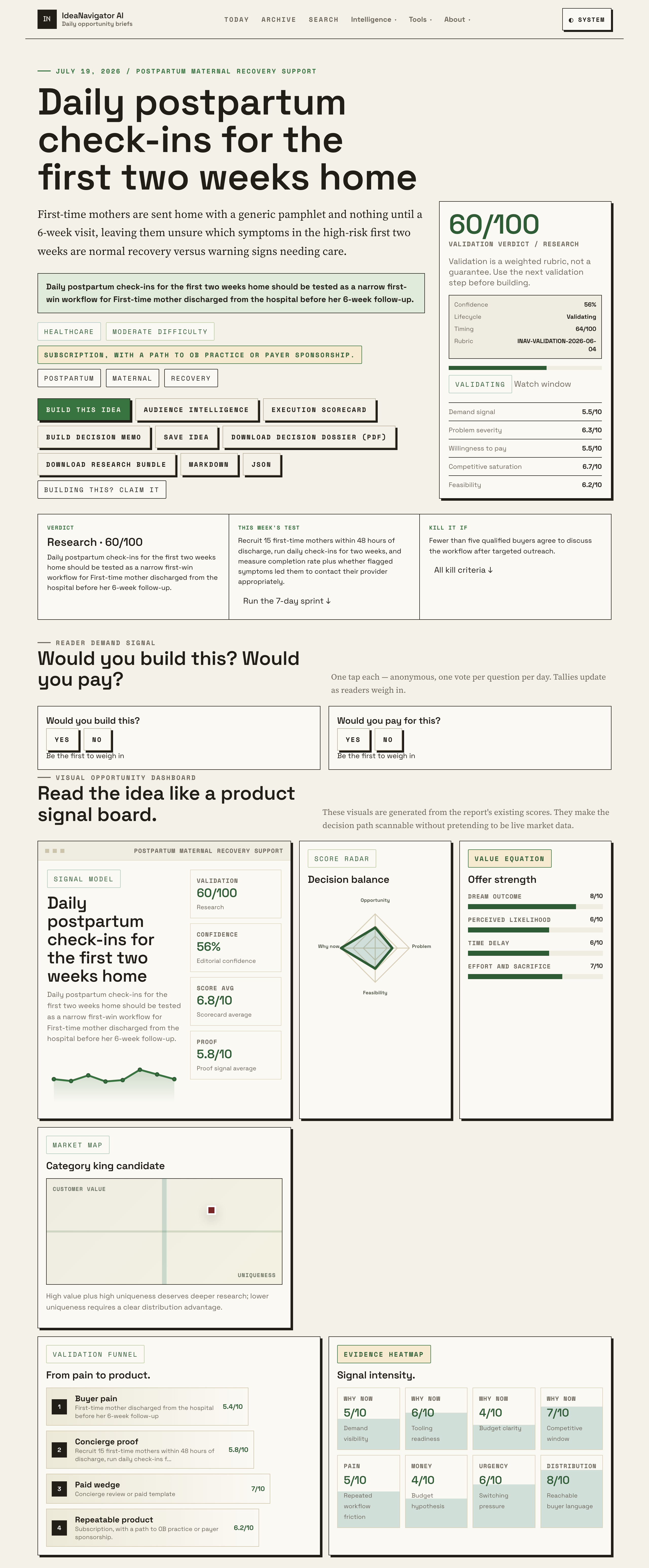
A pilot initiative is testing daily postpartum check-ins for first-time mothers during the first two weeks at home. The approach seeks to address gaps in postpartum care and improve early recovery outcomes.
Health researchers are testing a new approach that involves daily postpartum check-ins for first-time mothers during the first two weeks after hospital discharge. This initiative aims to address the current gap in postpartum care, which often leaves new mothers uncertain about normal recovery versus warning signs. The program is currently in the pilot phase, with initial recruitment of participants underway.
The pilot involves recruiting 15 first-time mothers within 48 hours of discharge from the hospital. Participants will undergo daily check-ins via a smartphone app, which will collect data on recovery symptoms, mental health, and feeding status. The system then provides tailored advice and prompts mothers to contact their healthcare provider if certain symptoms are flagged. The goal is to evaluate whether this approach improves symptom recognition and timely care-seeking behavior.
According to project organizers, the check-ins are designed to build a personalized recovery profile based on delivery details, feeding method, and mental health baseline. This allows for targeted support during a high-risk period that is typically underserved by standard postpartum follow-up, which usually occurs only at six weeks. The program also explores potential funding models, including subscriptions and sponsorships from OB practices or payers.
Potential Impact on Postpartum Care Standards
This initiative could transform postpartum care by providing continuous, personalized monitoring during the critical first two weeks after birth. It aims to reduce maternal health complications by catching warning signs early, potentially decreasing emergency visits and improving recovery outcomes. If successful, it may lead to broader adoption of digital postpartum support, filling a longstanding care gap that leaves many new mothers without regular contact with healthcare providers during this vulnerable period.

Perifit Pelvic Floor Trainer, Kegel Exerciser with App for Women, Green
- Pelvic Floor Exerciser: Revolutionary pelvic healing and strength training
- Kegel Exercise Solution: Treats urinary incontinence with biofeedback
- Gamified Control: Control video games with pelvic contractions
As an affiliate, we earn on qualifying purchases.
As an affiliate, we earn on qualifying purchases.
Addressing the Postpartum Care Gap in the U.S.
Currently, most new mothers in the U.S. are discharged with minimal guidance, often receiving only a pamphlet and a 6-week follow-up appointment. This leaves a high-risk window in the first two weeks post-discharge, during which complications such as infections, bleeding, or mental health issues can develop unnoticed. Maternal health campaigns have highlighted this gap, prompting interest in innovative solutions like digital check-ins. Previous studies have shown that early detection of postpartum complications can significantly improve outcomes, but scalable, personalized monitoring remains limited.
“Daily check-ins could provide the timely support new mothers need during the most vulnerable period of recovery.”
— an anonymous researcher
As an affiliate, we earn on qualifying purchases.
Uncertainties About Pilot Effectiveness and Scalability
It is not yet clear whether the pilot will demonstrate sufficient engagement or whether flagged symptoms will lead to appropriate clinical actions. The small sample size and short duration limit the ability to assess long-term outcomes or cost-effectiveness. Additionally, questions remain about how this approach can be scaled to broader populations or integrated into existing healthcare workflows.
As an affiliate, we earn on qualifying purchases.
Next Steps in Pilot Evaluation and Broader Adoption
The pilot team plans to analyze participant engagement, symptom reporting accuracy, and healthcare contact rates over the coming months. If results are promising, they aim to expand recruitment, refine the app, and explore partnerships with healthcare providers and payers. Further research will be needed to determine the long-term impact on maternal health outcomes and healthcare costs.
postpartum mental health support tools
As an affiliate, we earn on qualifying purchases.
As an affiliate, we earn on qualifying purchases.
Key Questions
How will the daily check-ins be conducted?
The check-ins will be delivered via a smartphone app, prompting mothers daily to report symptoms, mental health status, and feeding issues. The system will analyze responses and provide tailored advice or alerts.
What symptoms or issues will trigger a provider contact?
The system is designed to flag symptoms such as heavy bleeding, fever, severe pain, or signs of depression, prompting mothers to contact their healthcare provider promptly.
Could this replace in-person postpartum visits?
No, the program aims to supplement, not replace, routine postpartum check-ups. It provides additional support during the vulnerable first two weeks when in-person visits may not be feasible.
Will this program be available to all new mothers?
The current pilot is limited to a small group to evaluate feasibility. Broader availability will depend on pilot outcomes, funding, and integration into healthcare systems.
Source: IdeaNavigator AI
Back to school Picks
back to school
As an affiliate, we earn on qualifying purchases.