
TL;DR

Get the latest gadgets delivered free with Prime
- Fast, free delivery on millions of items
- Prime Video, Amazon Music and more included
- Member-only deals all year
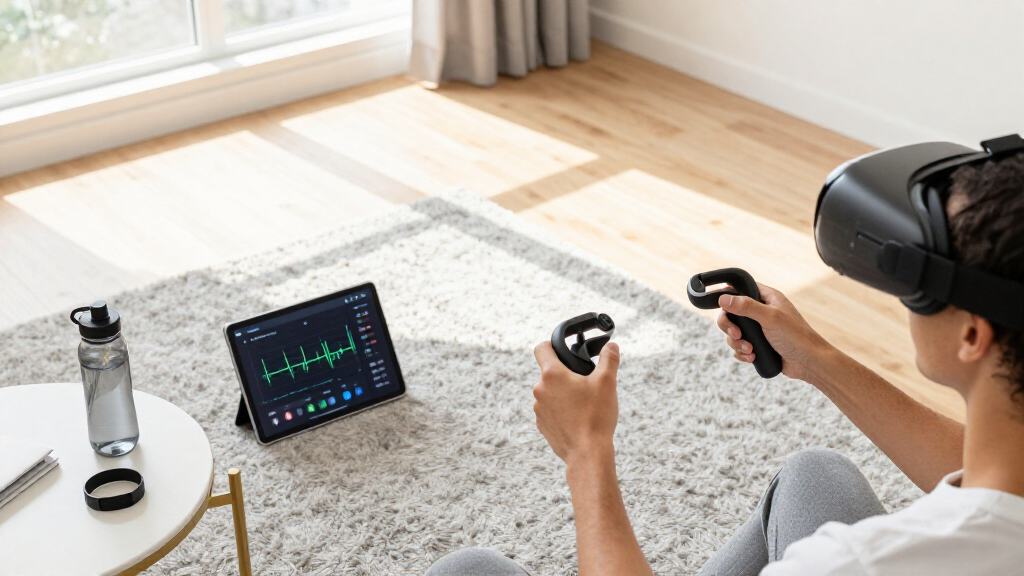
FunFitLand has launched a new mobile app that streams live heart rate data from compatible wearables directly into its VR fitness workouts on Meta Quest and Apple Vision Pro. This integration aims to improve workout feedback and tracking, marking a significant step in immersive fitness technology.
FunFitLand has launched a new smartphone app that streams live heart rate data from compatible wearables directly into its VR fitness workouts on Meta Quest and Apple Vision Pro. This feature aims to give users real-time feedback on their exertion levels during exercise, enhancing the immersive experience and workout tracking. The integration marks a notable development in VR fitness, combining wearable health data with virtual environments to improve user engagement and motivation.
The new FunFitLand mobile app supports iOS and Android devices and connects with standard Bluetooth Low Energy heart rate straps, Apple Watch, and supported Samsung watches. During a workout, users can see their live heart rate displayed inside the VR headset alongside other progress indicators such as remaining song time and current workout segment. The data is transmitted from the wearable to the phone, then via FunFitLand’s servers to the headset, enabling real-time display. The feature is available on Meta Quest and Apple Vision Pro headsets.
According to FunFitLand founder Meng Zhang, the system is designed to handle various technical challenges, including device permissions, power management, and wearable contact stability. During beta testing, users reported occasional connection issues, which Zhang’s team is actively addressing. The in-headset display is still being refined based on user feedback, with plans to offer customizable options for information placement and visibility.
Post-workout, the app provides detailed records, including average and maximum heart rates, session graphs, and time spent in different heart rate zones. The app also allows browsing the workout library, saving favorites, tracking goals, and social features such as exchanging kudos on Quest. However, social features are not available on the Vision Pro version at launch, though FunFitLand says this will change later.
FunFitLand Brings Live Heart Rate Into VR
A new iOS and Android companion app streams wearable heart rate data directly into workouts on Meta Quest and Apple Vision Pro—giving users instant feedback without breaking immersion.
From wrist or strap to the virtual workout
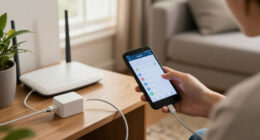
The phone acts as a bridge, moving physiological data from the wearable through FunFitLand’s service and into the headset interface.
Wearable captures BPM
A compatible strap, Apple Watch, or supported Samsung watch measures the user’s pulse.
Phone receives data
The FunFitLand mobile app connects to the wearable and manages permissions and device status.
Cloud relays the signal
FunFitLand’s servers transmit current heart rate information toward the active VR session.
Headset displays feedback
Live BPM appears beside song time, workout progress, and the current exercise segment.
More context during and after every session
The integration connects immediate effort awareness with a deeper post-workout record, while preserving the flow of the virtual experience.
Instant effort feedback
Users can gauge intensity in real time, regulate exertion, and stay motivated without pausing the session or checking another screen.
Detailed session records
The app reports average and maximum heart rate, session graphs, and time spent across different heart rate zones.
Planning and progress
Users can browse the workout library, save favorites, track goals, and—on Meta Quest—exchange social kudos.
Heart rate becomes part of the environment
Illustrative zone bars show the kind of at-a-glance feedback that can help users understand changing effort levels while moving.
Availability at launch
Core workout feedback spans both headsets, but some supporting features and wearable combinations remain uneven or under development.
| Capability | Meta Quest | Apple Vision Pro | Launch Status |
|---|---|---|---|
| Live in-headset heart rate | ✓ | ✓ | Available |
| Post-workout heart rate analysis | ✓ | ✓ | Available |
| Social kudos | ✓ | ✗ | Vision Pro update planned |
| Heart rate affects scoring | ✗ | ✗ | Possible future integration |
| Custom display placement | ~ | ~ | Still being refined |
Compatibility note: Standard Bluetooth Low Energy heart rate straps, Apple Watch, and supported Samsung watches are covered. Other devices may depend on specifications, firmware, and successful testing inside the app.
What users should know
The launch adds meaningful feedback, but accuracy and reliability still depend on the wearable, skin contact, permissions, and connection stability.
Does heart rate change the workout score?
No. At launch, BPM data does not affect scoring, pace, or calorie estimates. It is used for live awareness and post-session analysis.
How accurate are the readings?
Accuracy depends primarily on the connected wearable. Chest straps and established watches are generally reliable, while fit and contact can affect results.
Are connections always stable?
Not yet. Beta testers reported occasional failures. The team is working on permissions, power management, device contact, and connection resilience.
Why does live feedback matter?
It helps users regulate effort, recognize intensity changes, sustain motivation, and review progress without interrupting an immersive workout.
A pathway toward adaptive immersive fitness
The current release connects measurement to awareness. Future versions could use that signal to personalize scoring and training behavior.
Measure
Wearable captures heart rate
Transmit
Phone and cloud relay data
Visualize
Headset shows live effort
Understand
Session record reveals patterns
Personalize
Future training may adapt
Improve connection stability and make heart rate placement and visibility more customizable.
Bring social features to Vision Pro and broaden support for additional wearable devices.
Use biometric signals in scoring, adaptive training, and more personalized workout recommendations.
Impact on VR Fitness and User Engagement
The integration of live heart rate data into VR workouts represents a significant step in making immersive fitness more responsive and personalized. By providing users with real-time physiological feedback, FunFitLand enhances motivation, effort regulation, and workout effectiveness. This development could influence how VR fitness platforms incorporate health metrics, potentially leading to more health-conscious and data-driven exercise routines. The ability to monitor effort without interrupting the workout aligns with broader trends toward seamless health tracking in digital fitness environments, offering a more engaging and informative experience for users.As an affiliate, we earn on qualifying purchases.
Growth of Mobile and VR Fitness Technologies
VR fitness has seen rapid growth, with platforms like Meta Quest and Apple Vision Pro expanding their offerings. While some companies, such as FitXR, have introduced mobile workouts without health monitoring, FunFitLand’s approach emphasizes integrating wearable data directly into the VR experience. The trend toward combining mobile apps with VR hardware is driven by user demand for more flexible, accessible fitness options that do not require constant headset use. Previous efforts have focused on workout discovery and social features; adding live heart rate tracking marks a new level of interactivity and personalization in the space.“Bringing live heart rate data into VR workouts is about making the experience more responsive and motivating. It’s a step toward truly personalized immersive fitness.”
— Meng Zhang, FunFitLand founder
Bluetooth heart rate strap for VR fitness
As an affiliate, we earn on qualifying purchases.
As an affiliate, we earn on qualifying purchases.
Technical Challenges and User Experience Refinements
While the system is functional, some technical issues remain, including occasional connection failures and user interface adjustments. The team is still refining the display placement options and plans to expand social features on Vision Pro. It is also unclear how widespread compatibility will be with various wearable devices beyond those supported at launch. The long-term impact on workout effectiveness and user retention remains to be studied as the feature rolls out more broadly.Apple Watch compatible heart rate monitor
As an affiliate, we earn on qualifying purchases.
As an affiliate, we earn on qualifying purchases.
Upcoming Updates and Broader Device Support
FunFitLand plans to address current technical issues through software updates, including improving connection stability and customization options. The company also intends to expand social features on all platforms and add support for additional wearables. Future developments may include integrating heart rate data into workout scoring or adaptive training algorithms, further personalizing the experience. Monitoring user feedback and engagement metrics will guide these enhancements as the feature becomes more widely adopted.
As an affiliate, we earn on qualifying purchases.
Key Questions
Can I use any wearable with FunFitLand’s new heart rate feature?
FunFitLand supports standard Bluetooth Low Energy heart rate straps, Apple Watch, and supported Samsung watches. Compatibility with other devices can be tested via the app, but full support may depend on the device’s specifications and firmware.
Will the heart rate data influence my workout score or performance metrics?
At launch, the heart rate data does not affect scoring, pace, or calorie estimates. It is intended to provide real-time feedback and post-workout analysis, with future updates possibly integrating it into performance metrics.
Is the social feature available on all platforms?
Currently, social features like exchanging kudos are available on Meta Quest but are not yet included in the Apple Vision Pro version. FunFitLand has indicated this will be addressed in future updates.
How accurate is the heart rate reading during workouts?
The accuracy depends on the wearable device used. Standard Bluetooth heart rate straps and Apple Watch are supported and generally reliable; other devices may vary. The system also accounts for potential contact issues and connection stability.
What are the main benefits of live heart rate tracking in VR workouts?
Real-time heart rate monitoring helps users gauge their exertion, stay motivated, and optimize workout intensity without interrupting the session. It also provides valuable data for post-workout analysis and long-term progress tracking.
Source: UploadVR
Halloween Picks
halloween
As an affiliate, we earn on qualifying purchases.