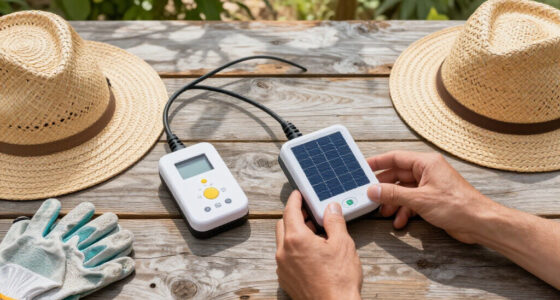

Choosing a password manager for a family means deciding who needs access, how credentials will be stored, and whether everyone can use the system reliably. QIWEILONG Offline Password Keeper is the clearest pick for households seeking a physical device with local storage and auto-fill. Shared Household Password Manager: An Analog Solution for Digital Families suits families who prefer a paper-based routine, while Password Managers for Families may appeal to readers looking for a family-focused option but provides too little detail to judge its capabilities.

Get the latest gadgets delivered free with Prime
- Fast, free delivery on millions of items
- Prime Video, Amazon Music and more included
- Member-only deals all year
My ranking puts the QIWEILONG device first because its capacity, connection method, and offline storage are described. The book ranks second as a practical planning resource, but its description does not specify a security system or record format. The final title ranks third because its family-oriented name alone cannot tell me whether it provides shared access, secure storage, or usable instructions. The main tradeoff is clear: a connected device can help with login entry, a physical book keeps the process analog, and an underspecified option leaves buyers with unanswered questions.
Complete the kit



Key Takeaways
- QIWEILONG is the most clearly specified option here, with local storage for up to 500 entries and Type-C connectivity for auto-fill on compatible devices.
- QIWEILONG requires a master password and a power source to view saved credentials, so it is not a self-sufficient paper backup.
- The analog household book is intended for parents, children, and grandparents, but physical records need careful protection and the provided description gives no specific security method.
- Password Managers for Families has a family-oriented title but no supplied feature details, making it hard to compare with either the device or the book.
- For shared family access, check how each option handles access, recovery, updates, and security; the supplied information does not establish that any option provides a full shared account system.
| QIWEILONG Offline Password Keeper with Auto-Fill and Type-C Connectivity |  | Best Overall for a Clearly Specified Physical Credential Device | Brand: QIWEILONG | Storage: Offline, local storage | Capacity: Up to 500 account entries | VIEW LATEST PRICE | See Our Full Breakdown |
| Shared Household Password Manager: An Analog Solution for Digital Families |  | Best Analog Approach for Multigenerational Household Planning | Format: Book | Intended audience: Parents, kids, and grandparents | Approach: Analog password organization | VIEW LATEST PRICE | See Our Full Breakdown |
| Password Managers for Families |  | Best for Buyers Willing to Investigate an Underspecified Family Option | Title: Password Managers for Families | Intended focus: Family password management | Format: Not provided | VIEW LATEST PRICE | See Our Full Breakdown |
| password managers for familie | Format | Security details |
|---|---|---|
| QIWEILONG Offline Password Kee | — | — |
| Shared Household Password Mana | Book | No specific security features provided |
| Password Managers for Families | Not provided | Not provided |
More Details on Our Top Picks
QIWEILONG Offline Password Keeper with Auto-Fill and Type-C Connectivity
QIWEILONG earns my top spot because it offers the most concrete account of what a family receives and how the device is used. It stores up to 500 entries locally, uses a master password to open saved credentials, and connects over Type-C to compatible phones, tablets, and computers for auto-fill. Alphabetical search tabs add a simple way to locate a saved account, which can matter in a household with many services and more than one person helping manage them.
The local-storage approach is distinct from the analog book below: it keeps the information in a device rather than in handwritten pages, while the stated auto-fill function is intended to make credential entry more convenient. Compared with the vaguely described Password Managers for Families title, QIWEILONG at least names its capacity, connection, and access requirements. But these details do not establish that several relatives can have separate permissions or share a vault across devices. I would not assume that family collaboration is built in just because a household may use it.
There are also practical limits. The device must be connected to a power source to view login information, so access depends on having both the unit and power available. A master password is required, which makes that password a key part of the household’s access plan: if it is forgotten, the supplied description does not say how recovery works. The description also does not explain encryption, backup, or what happens if the device is lost or damaged. I would want those answers before storing every family credential on it.
This is the strongest pick for someone who wants a compact, offline device and values the stated auto-fill function, not a proven all-in-one family service. The included travel case and adapter make the package easier to carry and connect, but do not change the need for a careful recovery plan. Compared with the paper book, it offers a more device-centered workflow; compared with the third option, it is easier to evaluate from the information available. Its ranking comes from that clarity and feature fit, tempered by unanswered questions about sharing and recovery.
Pros:- Stores credentials locally for offline access.
- Lists capacity for up to 500 account entries and provides alphabetical search tabs.
- Supports auto-fill through Type-C on compatible phones, tablets, and computers.
- Includes a travel case and Type-C adapter.
Cons:- Requires the master password, and the supplied details do not describe account recovery if it is forgotten.
- Needs a power source to view stored login information.
- No supplied details explain encryption, backups, or separate family-member access.
Best for: Households that want a physical, locally stored credential device with stated capacity and Type-C auto-fill for compatible devices.
Not ideal for: Families that need confirmed shared vaults, multiple user permissions, cloud synchronization, or a documented recovery process.
- Brand:QIWEILONG
- Storage:Offline, local storage
- Capacity:Up to 500 account entries
- Connectivity:Type-C
- Compatibility:Phones, tablets, and computers
- Weight:1.13 ounces
- Package dimensions:4.45 x 3.19 x 1.5 inches
- Included accessories:Travel protection case and Type-C adapter
Our verdict“I rank QIWEILONG first for its clearly described local storage and auto-fill, but families should confirm sharing and recovery details before relying on it as their only credential system.”
Shared Household Password Manager: An Analog Solution for Digital Families
This book takes the most different route in the lineup: rather than describing a connected device, it offers an analog approach to household login organization. Its intended audience includes parents, children, and grandparents, which makes it the most explicitly multigenerational option here. For families who want to discuss which accounts exist and who should be able to find them, a shared paper-based process may be easier to introduce than a new device or app workflow.
That role is narrower than QIWEILONG’s. The device lists local storage, a stated entry capacity, and auto-fill; the book’s description does not say what pages, prompts, or organization format it includes. I can recommend it as a family-oriented guide to an analog method, but not as a confirmed secure storage product with specific protections. Compared with Password Managers for Families, its intended audience and approach are at least identified, even though the actual structure is not.
The tradeoff is the nature of physical records. Anyone who can access the pages may be able to see the information written there, so placement and household routines matter. A book also does not provide the described Type-C auto-fill found on QIWEILONG, and the listing does not describe a way to keep entries synchronized across family members or update them automatically when credentials change. If a family maintains a written record, it needs a clear owner and a consistent habit for correcting outdated entries.
I would choose this option when the goal is to establish a shared household routine on paper, especially for relatives who prefer a physical reference. I would skip it as the sole solution for a family seeking documented technical security, automated login support, or remote access. Its second-place ranking reflects a specific, understandable use case and a stated family audience, while its missing details prevent a stronger recommendation. Compared with the more feature-defined device, it offers an analog process rather than described login convenience; compared with the final title, it at least explains the method it promotes.
Pros:- Focuses on organizing family logins rather than individual credentials alone.
- Uses an analog approach that may fit households preferring physical records.
- Identifies parents, children, and grandparents as its intended audience.
Cons:- Physical password records need careful storage to limit exposure.
- The supplied description does not specify a security method or the book’s organization format.
- No auto-fill, synchronization, or password-update workflow is described.
Best for: Families who prefer a paper-based way to organize household logins and want an approach written for parents, children, and grandparents.
Not ideal for: Households that need auto-fill, clearly documented security features, or confirmed shared access across devices.
- Format:Book
- Intended audience:Parents, kids, and grandparents
- Approach:Analog password organization
- Family sharing:Household-oriented subject; specific sharing process not provided
- Security details:No specific security features provided
- Organization format:Not specified in the available description
Our verdict“I recommend this book as an analog household-organizing option, not as a security-feature-documented replacement for a digital password manager.”
Password Managers for Families
Password Managers for Families is clearly framed around household use, but the supplied product information stops at its title. There are no details about whether it is a device, book, software product, or another kind of resource. I also cannot confirm storage type, account capacity, auto-fill, access controls, or a method for sharing credentials among relatives. That leaves it in a different position from both alternatives: QIWEILONG has a described device workflow, and the analog book names its format and approach.
Because the family focus is visible in the title, this option may catch the attention of buyers who want a resource centered on household password management. Yet a title does not establish how it helps a family work together. For comparison, the analog book at least states that it is intended for parents, kids, and grandparents, while QIWEILONG specifies local storage and Type-C auto-fill. The information gap is why I place this entry third—not because I can confirm it performs poorly, but because I cannot make a well-grounded recommendation about its features.
The main drawback is uncertainty. Without a format or feature list, a household cannot tell whether it will support everyday sign-ins, keep records private, help multiple relatives share access, or provide a way to recover credentials. I would look for the full product description before buying and check what kind of item it is, what it actually teaches or provides, and whether its guidance fits the family’s devices and access needs. I would not treat its name as proof of secure storage.
This pick makes the most sense for a buyer who is already considering this specific family-focused title and is prepared to verify the missing information. It is not my recommendation for someone who needs a clear choice from the supplied details. Compared with the other two, it has the least verifiable fit: the QIWEILONG device is more concrete for local storage, and the analog book is more concrete for paper organization. Its place in the roundup is useful chiefly as a reminder that family branding alone is not enough to evaluate a password-management option.
Pros:- Its title directly addresses password management for families.
- May suit buyers looking for a family-centered resource, subject to confirming the product format and contents.
- Provides a useful starting point for questions about household credential practices.
Cons:- No product format or feature details were provided.
- Storage, security, sharing, and recovery capabilities cannot be confirmed.
- There is not enough information to compare its practical use with the device or analog book.
Best for: A buyer specifically interested in this family-focused title who can check the full listing and confirm its format and contents before choosing.
Not ideal for: Families who need to compare documented storage, security, sharing, or auto-fill capabilities before selecting a password-management approach.
- Title:Password Managers for Families
- Intended focus:Family password management
- Format:Not provided
- Storage method:Not provided
- Family access features:Not provided
- Security details:Not provided
Our verdict“I rank this option third because its family focus is apparent but its format and capabilities are not documented in the supplied information.”

How We Picked
I ranked these three options by how clearly their provided details answer the needs behind a family password-management choice: storage method, ease of use across household members, access when needed, and the practical risks of keeping credentials together. I also separated a product’s stated capabilities from what its name or intended audience might suggest. A family-oriented title is not proof of shared vaults, secure synchronization, or account recovery.
QIWEILONG ranks first because its description gives specific information a household can evaluate: local storage, a stated capacity of up to 500 entries, Type-C connectivity, auto-fill, alphabetical search tabs, and a master-password requirement. Those details make its use case more concrete than the other entries. They do not, by themselves, answer every security question. The supplied information does not explain encryption, backup, recovery, or how family members receive separate access, so I do not treat those features as established.
The analog book ranks second because it explicitly targets parents, children, and grandparents and presents a recognizable paper-based approach. That can make household organization easier to discuss, but a physical record has to be stored and maintained responsibly. The available description does not state the book’s layout or a security method, so I judge it as an organizational aid rather than a verified secure vault.
Password Managers for Families ranks third because no product details were supplied beyond its title and family intent. That is not evidence that the product lacks useful features; it means I cannot responsibly recommend particular capabilities or compare its protection and sharing model with the other two. I favor documented fit over assumptions, especially when a family is deciding where to keep sensitive login information.
These rankings reflect the information provided, not independent security testing or a claim that one format is universally safest. Before a household commits, I would verify how credentials are protected, whether authorized relatives can access them, what happens if the primary user is unavailable, and how records are updated when passwords change. The more people who rely on a system, the more important its maintenance and recovery process becomes.
| password managers for familie | Format | Security details |
|---|---|---|
| QIWEILONG Offline Password Kee | — | — |
| Shared Household Password Mana | Book | No specific security features provided |
| Password Managers for Families | Not provided | Not provided |
Factors to Consider When Choosing Password Managers For Families
A family’s best fit depends less on the word “manager” and more on how everyone will find, protect, and update login information. The options here span a local-storage device, a paper-based book, and a title with no supplied feature details. I would compare them by the household’s actual access routine, not by assuming that any one format automatically provides safe sharing.
Decide whether your household needs shared access or organized storage
These are different needs. A household may want one person to maintain a record, or it may need several relatives to retrieve credentials for shared services. The QIWEILONG description gives a capacity and a local storage method, but it does not confirm separate family permissions or a shared vault. The analog book is presented for household organization, but its description does not define who should write, update, or consult entries. The third option provides no details on access at all.
Before choosing, list the accounts that genuinely need to be shared and decide which family members should have access. Then check whether the product explicitly supports that pattern. If it does not, do not infer collaboration from a family-oriented title or audience. A clear access plan helps prevent the household from relying on one person’s memory or leaving credentials available to people who do not need them.
Compare the record format with your family’s daily habits
Digital convenience and physical visibility are different tradeoffs. QIWEILONG is described as connecting by Type-C to compatible phones, tablets, and computers for auto-fill. That may reduce repeated typing, but it also means the device must be available, connected, and powered when a user needs to view credentials. The analog book avoids that connection workflow, yet it depends on someone maintaining a paper record and storing it carefully.
Think about who will use the system. A relative who is comfortable with a connected device may prefer the QIWEILONG workflow, while a household that wants a physical reference may favor the book’s analog approach. Neither description establishes that every family member will find the process easy. Ask whether the selected method can be used consistently by the least technically confident person who still needs access.
Ask what happens if access is lost
A household credential system needs a plan for forgotten passwords, unavailable devices, and changes in family circumstances. QIWEILONG requires a master password, but the supplied details do not say how recovery works if it is forgotten. Its local storage may allow offline access, yet the description does not explain backups or what happens if the unit is damaged. The analog book avoids a device login but can be misplaced or exposed, and no protective process is described.
For any option, find out whether recovery instructions exist and decide who is responsible for keeping them. Avoid depending on a single person to remember every access detail without a contingency. If a product’s recovery and backup methods are unclear, treat that as an open question before moving all household credentials into it.
Separate stated security from assumptions
The product descriptions here do not provide enough information to verify technical security protections. QIWEILONG specifies local storage and master-password access, but does not state how the stored information is encrypted. The book describes physical password organization without detailing a security method. The third listing offers no security information. These gaps matter because a storage format is not the same thing as a full security explanation.
I would seek direct product documentation on protection, backups, updates, and recovery before treating any option as a complete solution. For physical records, decide where they will be kept and who may access them. For a connected device, check how access is protected and how the household can respond if the device is unavailable. Make the choice on documented safeguards rather than on a product name or a general claim of family suitability.
Check compatibility and maintenance demands
QIWEILONG lists Type-C connectivity and compatibility with phones, tablets, and computers, but families should confirm that their actual devices support the connection and auto-fill workflow. The adapter included in the package may help with connection needs, but the description does not list every supported device or operating system. The book does not require device compatibility, though it does require people to keep written records current. The third option cannot be evaluated for either kind of maintenance from the supplied details.
Passwords change, accounts are added, and family responsibilities shift. Choose a process someone will maintain. A device with a stated capacity is not useful if nobody updates entries, and a paper record can become misleading when old information is left in place. Assign an owner, set a routine for updates, and make sure other authorized family members know how to find the current record.
Match your choice to the limits you can accept
For buyers who value a defined device workflow, QIWEILONG is the most actionable choice in this group, provided its missing security and recovery details meet the household’s needs after verification. For families who want a paper-based organizational approach, the analog book has the clearest fit, with the responsibility of protecting and updating physical records. The third title should remain a research candidate until its format and features are confirmed.
No option in this roundup has enough supplied information to establish every element of a full family password-sharing service. I would choose only after deciding whether the household prioritizes local device storage, paper organization, or a family-focused resource—and after checking what the product actually supports. That distinction makes the ranking useful: it separates what is documented from what still needs an answer.
Frequently Asked Questions
Which option is the strongest fit for a family that wants auto-fill?
QIWEILONG is the only option described as supporting auto-fill, connecting by Type-C to compatible phones, tablets, and computers. Its stated workflow is more specific than the analog book or the title with no supplied feature details. I would still check device compatibility and confirm how family members access the saved credentials, since the description does not establish separate user permissions or shared-vault features.
Does QIWEILONG provide confirmed shared access for multiple relatives?
The supplied details do not confirm multi-user sharing, separate permissions, or synchronized access for relatives. They state that the device stores entries locally, uses a master password, and supports auto-fill on compatible devices. Families needing several people to access the same accounts should ask for documentation about how credentials are shared and what happens when the master password is unavailable.
Is the analog password book a secure replacement for a digital password manager?
The available description presents the book as an analog way to organize family logins, but it does not specify security features or a record layout. A physical record may fit a household that wants a paper reference, yet it must be stored so unauthorized people cannot read it and updated when credentials change. I would treat it as an organizational approach, not as a verified substitute for a product with documented security protections.
What should a family verify before choosing any of these options?
I would check the storage and protection method, who can access credentials, how entries are updated, and what recovery steps are available if a password, book, or device is lost. For QIWEILONG, confirm compatibility and ask about backups and recovery; for the book, understand its format and plan secure storage; for Password Managers for Families, first confirm what kind of product it is and what it includes. The supplied descriptions leave meaningful questions unanswered.
Why is Password Managers for Families ranked third?
Its title indicates a family focus, but no details were supplied about format, storage, security, sharing, or use. I rank it below QIWEILONG and the analog book because those entries at least describe a device workflow or an analog approach. The ranking reflects limited evidence, not a claim that the third option lacks useful features; buyers should review its full details before deciding.
Conclusion
For a household seeking the most clearly described product in this comparison, I would start with QIWEILONG: it lists local storage, capacity for up to 500 entries, Type-C connectivity, and auto-fill, though its sharing, backup, and recovery details need confirmation. Families who prefer a paper routine and can protect and maintain physical records may find the analog household book a better match. Buyers drawn to Password Managers for Families should first verify its format and features, since its title is the only supplied information.
My recommendation by buyer type is straightforward: choose the QIWEILONG device for a described offline, connected workflow; choose the book for an explicitly analog, multigenerational organizational approach; and investigate the third option only after checking what it provides. For any family, the right choice is the one whose access, maintenance, protection, and recovery process every authorized user can understand and follow.