
TL;DR

Get the latest gadgets delivered free — and shop member deals
- Fast, free delivery on millions of items
- Access to Prime Big Deal Days deals on October 6–7
- Prime Video, Amazon Music and more included
Early reviews of the Steam Frame VR headset, priced over $1,000, reveal a mixed reception. While some praise its design and features, critics express skepticism about its high cost and overall value.
Early feedback on the Steam Frame VR headset, priced at over $1,000, indicates a mixed reception from initial reviewers. You can find more details about its launch in our Valve’s Steam Frame VR Headset Launches article. While some praise its innovative design and display quality, critics raise questions about its high cost relative to performance and competition. This early response is significant as the headset enters a competitive market segment that includes established players like Meta and HTC, and consumer interest will depend on whether it justifies its premium price.
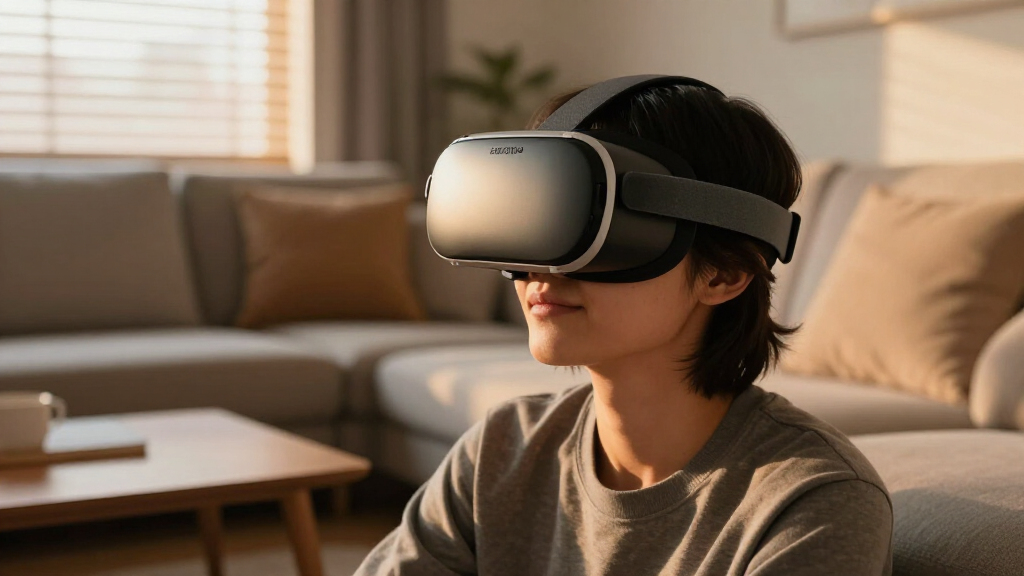
Multiple tech review outlets and early adopters have shared their impressions of the Steam Frame VR headset since its preview releases. The device features a modular design with a focus on customization and portability, which reviewers say enhances user experience, especially for those with limited space. This is similar to the innovative approach Valve has taken with its Valve’s Steam Frame VR. The headset’s display quality has been described as sharp, with some reviewers noting improved visuals compared to previous Steam VR offerings. However, the price — exceeding $1,000 — has been a common point of criticism, with many questioning whether the device offers enough value to justify the steep cost.
Some reviewers have highlighted the headset’s lightweight build and ergonomic comfort, calling it a positive step forward in user comfort. Conversely, others have pointed out that the hardware specifications, while solid, do not significantly surpass competitors in key areas such as tracking accuracy and content ecosystem. Several early impressions also note that the setup process remains complex for newcomers, and the device’s high price might limit accessibility for casual users. Overall, initial feedback paints a picture of a high-quality but expensive product whose success will depend heavily on software support and consumer perception of value. For more on Valve’s latest hardware, see the Valve’s Steam Frame VR Headset Launch coverage.
Early Feedback on the $1,000+ Steam Frame VR Headset: What Reviewers Are Saying
Initial impressions of Valve’s premium VR entry paint a mixed picture — praise for its modular design and sharp display, skepticism over whether the steep price delivers enough value in a market ruled by Meta and HTC.
What Reviewers Praise — and Question
Multiple tech outlets and early adopters have shared impressions since preview releases. Here is where the consensus stands so far.
Modular & Portable Build
A modular design focused on customization and portability enhances the user experience — especially for players with limited space.
Sharp Visual Quality
Reviewers describe the display as sharp, with improved visuals compared to previous Steam VR hardware offerings.
Lightweight Ergonomics
The lightweight build and ergonomic comfort are called a positive step forward in user comfort for extended sessions.
Steep Cost Concerns
The $1,000+ price is the most common criticism — many question whether the device offers enough value to justify the cost.
No Clear Hardware Edge
Specifications are solid but do not significantly surpass competitors in tracking accuracy or content ecosystem.
Complex Onboarding
Early impressions note the setup process remains complicated for newcomers, and the price limits casual-user accessibility.
Reviewer Sentiment by Category
An approximate reading of how early feedback leans across the headset’s key dimensions.
“A high-quality but expensive product whose success will depend heavily on software support and consumer perception of value.”
— Consensus of early review coverageSteam Frame vs. the Field
How the premium-priced entrant stacks up against established rivals in the high-end VR segment.
| Dimension | Steam Frame | Meta Quest Series | HTC Vive Line |
|---|---|---|---|
| Price Position | $1,000+ (premium) | More affordable | More affordable |
| Design Approach | Modular, customizable | All-in-one standalone | Mixed tiers |
| Display Quality | Sharp, improved | Competitive | Competitive |
| Tracking Accuracy | Solid, no edge | Strong | Strong |
| Content Ecosystem | Emerging | Expansive | Established |
| Software Pedigree | Steam platform strength | Strong | Moderate |
From Early Reviews to Market Verdict
The path ahead for Valve’s premium headset as the market decides whether the price is justified.
Preview Impressions
Early adopters and outlets circulate first takes on hardware, comfort, and price.
Full Reviews Land
Comprehensive reviews arrive in the coming weeks from real-world extended testing.
Valve Responds
Possible software updates and bundle offers to address value and ecosystem concerns.
Adoption Verdict
Success hinges on compelling experiences that justify the premium beyond enthusiasts.
What Readers Want to Know
The questions shaping consumer decisions around the Steam Frame’s launch.
Will the Steam Frame be worth its high price?
Early reviews suggest quality hardware and design, but whether it justifies the $1,000+ cost depends on its software ecosystem, content, and long-term performance.
How does it compare to other premium headsets?
It offers a lightweight, modular design and good display quality, but does not significantly outperform competitors in key hardware specs. Success depends on software support.
What are the main criticisms so far?
Concerns center on the high price point, value versus cheaper options, setup complexity, and content ecosystem limitations.
When will detailed reviews be available?
More comprehensive reviews are expected in the coming weeks as early adopters test the device extensively in real-world scenarios.
The early reviews of the Steam Frame VR headset highlight a critical challenge for high-end VR devices: justifying premium pricing in a competitive market. With established players like Meta and HTC offering more affordable options, Steam’s decision to price its headset above $1,000 could influence consumer willingness to adopt. If the hardware’s performance and content ecosystem do not markedly surpass existing offerings, the high cost may hinder widespread adoption, affecting Steam’s position in the VR space and its ability to attract a broader audience.
As an affiliate, we earn on qualifying purchases.
Market Position and Expectations for Steam’s VR Entry
Steam has historically been a dominant platform for PC gaming and has recently expanded into VR hardware with previous headsets and software support. The Steam Frame VR headset represents its latest effort to compete in a market dominated by Meta’s Quest series, HTC Vive, and others. Prior to this release, Steam has emphasized modularity and customization, aiming to appeal to enthusiasts and professional users. The device’s announcement generated anticipation, especially given the company’s reputation for software ecosystem strength, but also skepticism due to the high price point and hardware specifications.
Since early reviews have begun circulating, industry analysts and consumers are watching to see whether Steam’s hardware can carve out a viable niche. The headset’s success will depend on its ability to deliver compelling experiences and software support that justify its cost, especially as competitors continue to lower prices and expand their content libraries.
As an affiliate, we earn on qualifying purchases.
Unresolved Questions About Performance and Value
It remains unclear whether the Steam Frame VR headset’s hardware will deliver performance that justifies its $1,000+ price tag, especially in comparison to more affordable competitors. Details about software ecosystem, content support, and long-term durability are still emerging, and consumer opinions may shift as more comprehensive reviews and user experiences become available.
As an affiliate, we earn on qualifying purchases.
Next Steps for Consumer Adoption and Software Support
As more detailed reviews and user feedback emerge, Steam will likely need to address concerns about value and ecosystem support. The company may also introduce software updates or bundle offers to enhance attractiveness. The headset’s commercial success will depend on how well it can demonstrate tangible advantages over existing VR options and whether it can attract a broader user base beyond enthusiasts.
As an affiliate, we earn on qualifying purchases.
Key Questions
Will the Steam Frame VR headset be worth its high price?
Initial reviews suggest that the headset offers quality hardware and design, but whether it justifies its over $1,000 cost depends on its software ecosystem, content, and long-term performance. Consumers will need to weigh these factors as more reviews become available.
Early impressions note that while the Steam Frame has a lightweight, modular design and good display quality, it does not significantly outperform competitors in key hardware specs. Its success will depend on software support and user experience.
What are the main criticisms of the Steam Frame VR headset so far?
The primary concerns include its high price point and whether it offers enough additional value over less expensive options. Setup complexity and content ecosystem limitations are also noted as potential drawbacks.
When will more detailed reviews and user experiences be available?
More comprehensive reviews are expected to be published in the coming weeks as early adopters and reviewers test the device extensively in real-world scenarios.
What is Steam’s strategy for competing in the VR market?
Steam aims to leverage its strong software ecosystem, modular hardware design, and existing user base to carve out a niche in high-end VR, but success hinges on delivering compelling experiences that justify the premium price.
Source: rss
Evergreen bestsellers Picks
bestsellers
As an affiliate, we earn on qualifying purchases.