
📊 Full opportunity report: DDR5 Now, DDR6 Soon: A Buyer’s Field Guide on ThorstenMeyerAI.com — validation score, market gap, and execution plan.

Get the latest gadgets delivered free — and shop member deals
- Fast, free delivery on millions of items
- Access to Prime Big Deal Days deals on October 6–7
- Prime Video, Amazon Music and more included
TL;DR
DDR5 memory remains the best choice for 2026 builds, with DDR6 not yet ready for mainstream adoption. Prices for DDR5 are unlikely to fall soon, and DDR6 will require new platforms, making waiting generally unwise.
DDR5 memory remains the recommended choice for new builds in 2026, with DDR6 not expected to be available for mainstream consumers until 2027. Experts advise against waiting for DDR6, as it will require entirely new platforms and come at a premium, making it a poor investment for most buyers right now.
Current market conditions show that DDR5 prices are unlikely to decrease significantly before 2028, with forecasts indicating that meaningful relief will not arrive before then. The advice is to purchase DDR5 now, focusing on configurations like DDR5-6000 with CL30 timings, which offer the best value for mainstream use. Higher speeds, such as DDR5-8000, are generally not cost-effective for most users.
For capacity, 32GB remains sufficient for most gaming and desktop workloads, while 64GB is recommended for content creation and multitasking. Buyers should avoid over-purchasing capacity, such as 128GB kits, which may sit unused until prices stabilize. Platform considerations include newer boards supporting CUDIMMs for higher stability at increased speeds and the trend toward registered memory (RDIMM) on workstations.
Regarding DDR4, it is no longer a cost-saving option for new builds, as DDR4 has reached end-of-life and now costs roughly the same or more than DDR5 per gigabyte, with no future upgrade path. Building on DDR4 in 2026 is discouraged, as it limits future upgrade potential.
DDR6, while promising a significant architecture leap—doubling bandwidth and introducing new form factors like CAMM2—is not yet available for mainstream use. It will require new CPUs, chipsets, and modules, with rollout stages starting around 2026–27 for enterprise and AI applications, and not reaching mainstream desktops until 2027 or later. Early adopters should expect higher prices, limited capacities, and potential stability issues.
DDR5 now, DDR6 soon
A buyer’s field guide. The 20-year instinct — wait for prices to drop, or wait for the next generation — is broken this cycle. Buy the DDR5 you actually need now; don’t wait for DDR6. Here’s the reasoning.
Driven to end-of-life, production slashed. Same money, dead-end socket. Leave a working DDR4 box alone — but never start a new build on DDR4 to “save.”
A framework, not a gamble. Buy the DDR5 you need now, at the sweet spot, in the capacity you’ll actually use — don’t buy DDR4, don’t wait for DDR6. The two costliest mistakes in this market are the ones that feel prudent: waiting for a price drop that isn’t coming, and waiting for a next-gen part that launches dearer than what’s on the shelf. Next: The SSD Squeeze.
Why Buying DDR5 Now Is the Smarter Move
This guidance matters because investing in DDR5 now aligns with current market realities—prices are unlikely to drop significantly, and DDR6 is not yet ready for mainstream adoption. Delaying purchase for future technology risks higher costs and missing out on platform improvements. For most users, buying DDR5 now ensures better performance, compatibility, and value for the next few years.
As an affiliate, we earn on qualifying purchases.
The 2026 Memory Market and Future DDR6 Roadmap
The memory market has experienced unprecedented price increases due to supply shortages and demand spikes, with forecasts suggesting prices will remain high until at least 2028. DDR5 was introduced as the successor to DDR4, with initial high prices that have since stabilized. DDR6, announced by JEDEC, promises higher bandwidth and new form factors but is still in development, with widespread adoption not expected until 2027 or later. The transition to DDR6 will be staged, starting with enterprise and AI applications before reaching consumer platforms.
“DDR6 will significantly increase bandwidth but requires new hardware, and early adoption will involve higher costs and potential stability issues.”
— Industry sources familiar with JEDEC standards
As an affiliate, we earn on qualifying purchases.
Remaining Questions About DDR6 Adoption and Pricing
It is still unclear exactly when DDR6 modules will be widely available for consumers, what their final pricing will be, and how smoothly early adoption will proceed. The timeline may shift as JEDEC standards finalize and manufacturers ramp up production, making early predictions uncertain.
As an affiliate, we earn on qualifying purchases.
Next Steps for Buyers and Industry Watchers
Buyers should focus on DDR5 configurations that meet their current needs, avoiding overcapacity. Industry observers should monitor JEDEC standard approvals, motherboard compatibility lists, and early DDR6 module announcements, which will signal readiness for mainstream adoption. Market prices for DDR5 are unlikely to fall significantly before 2028, so strategic purchasing now is advised.
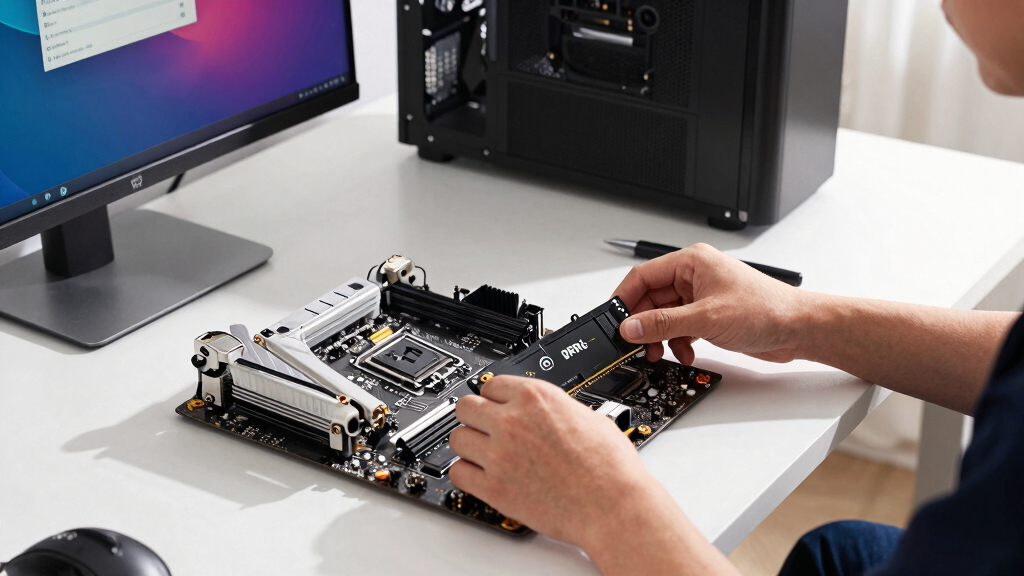
high-speed DDR5 memory for content creation
As an affiliate, we earn on qualifying purchases.
As an affiliate, we earn on qualifying purchases.
Key Questions
Should I wait for DDR6 before building a new PC?
No, unless you are building a long-term workstation or need the highest bandwidth for AI or scientific computing. DDR6 will not be available for mainstream desktops until 2027, and waiting may cost you in performance and platform upgrades.
Is DDR4 a good choice for 2026 builds?
No. DDR4 is at end-of-life, and building on DDR4 now limits future upgrade options. DDR5 offers better performance and future compatibility at similar or lower costs.
What DDR5 speed and capacity should I buy?
DDR5-6000 with CL30 timings offers the best value for most users. For capacity, 32GB is sufficient for gaming and general use, while 64GB is better for content creators and heavy multitasking.
When will DDR6 modules be affordable and reliable?
Early DDR6 modules are expected to be expensive and may have stability issues. Mainstream, reliable DDR6 adoption is projected around 2027, with prices stabilizing closer to 2030.
Will DDR6 significantly improve gaming performance?
Most gaming workloads are not bandwidth-limited enough to benefit from DDR6’s higher speeds; the main advantages are in bandwidth-intensive tasks like AI, scientific computing, and heavy rendering.
Source: ThorstenMeyerAI.com
Halloween Picks
halloween
As an affiliate, we earn on qualifying purchases.