TL;DR

Get the latest gadgets delivered free — and shop member deals
- Fast, free delivery on millions of items
- Access to Prime Big Deal Days deals on October 6–7
- Prime Video, Amazon Music and more included
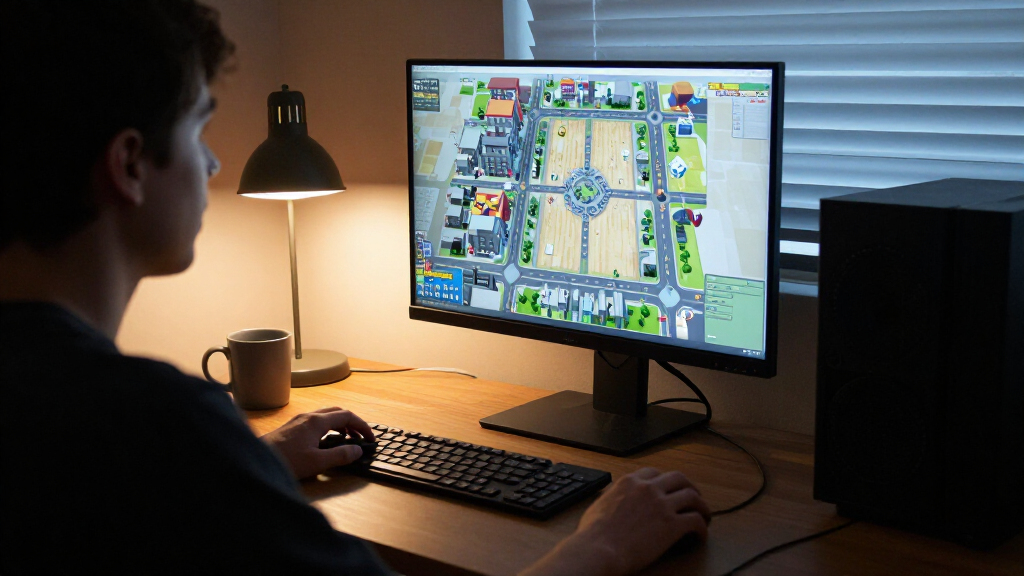
A Radical Elements essay titled “City building games have a Soul Problem pt.2” criticizes the look of Cities: Skylines 2, focusing on flat surfaces, overly clean streets and a lack of visible wear and social decline. The author argues that environmental details could make cities feel more lived-in and help players notice problems without relying only on statistics panels.
Radical Elements has published “City building games have a Soul Problem pt.2,” an essay arguing that the look of Cities: Skylines 2 can make player-built cities feel lifeless. The author points to uniform surfaces, unusually clean streets and a shortage of visible wear as aesthetic shortcomings, and says those details could also help players read a city’s problems at a glance.
The essay’s focus is visual character rather than simulation mechanics. Its author describes recurring disappointment when looking at the game’s city scenes, including places where grass, sidewalks and building edges meet in clean, square divisions. The complaint is not that players cannot make more detailed scenes, but that doing so can require extensive manual work.
The author acknowledges that mods and decals can produce more textured results, but argues that painstakingly adjusting every corner is not practical for many players. That effort can also undercut one of the pleasures of city builders: watching the game generate a place and discovering unexpected details, rather than handcrafting every view.
The essay lists elements the author says would add visual variety, including stairs, potholes, litter, cables, graffiti, scaffolding, weeds and traces of older uses. It also calls for poorer or abandoned buildings to be visible. The author presents these features as ways to make neighborhoods feel more grounded, not as claims that every city should look neglected.
When City Details Carry Meaning
The argument connects a game’s visual design to how players understand the city they have built. At present, the essay says, players may need to open a statistics panel to locate a struggling area. Visible signs of disrepair or abandonment could provide another kind of feedback, allowing the landscape itself to suggest where conditions are worsening.
That matters for a genre built around both planning and observation. Many players want to watch their cities develop, not just manage figures or place assets. The author’s concern is that uniform, polished environments weaken that sense of discovery and make neighborhoods less distinctive. This is an opinion about the game’s aesthetic, not a measured evaluation of its performance or a statement from its developer.
The essay also highlights a design trade-off: more detail could enrich a city, but requiring players to add it individually would make the experience more labor-intensive. Its proposed direction is for everyday irregularities to emerge as part of the game’s ordinary visual language, rather than being available only through optional customization.
As an affiliate, we earn on qualifying purchases.
From Simulation to Street-Level Texture
The article identifies itself as the second part of a broader discussion of the city-building genre. The author says the earlier piece considered the genre more broadly and focused on simulation, while this installment shifts attention to aesthetics. The stated starting point is the author’s continued return to Cities: Skylines 2 despite disappointment with it.
To explain the appeal of building cities, the author recalls childhood play with toy cars, miniature towns and model railways. That personal reflection leads into a practical design criticism: real neighborhoods are shaped by small, irregular features, from laundry on balconies and rusted railings to weeds and damp patches. The author contrasts those details with the game’s perceived clean and orderly surfaces.
The source is an essay published by Radical Elements, not a developer announcement, technical review or independent study. Its examples and proposals reflect the author’s observations. The page also discloses that artificial intelligence was used for proofreading, descriptive image alt text and “improved” visual concepts.
urban environment textures for PC games
As an affiliate, we earn on qualifying purchases.
As an affiliate, we earn on qualifying purchases.
No Developer Response in the Essay
The source does not report a response from Colossal Order or publisher Paradox Interactive, nor does it identify a planned update or downloadable content addressing these concerns. It is also unclear how broadly other players share the author’s view: the article mentions online discussions connected to its earlier installment but supplies no survey, player data or representative measure of opinion.
The essay offers no technical assessment of how its proposed environmental details would affect performance, simulation or accessibility. Its suggestion that visual decay could signal local problems is a design argument; the article does not establish which specific signs should correspond to which city conditions. Those questions remain open rather than confirmed features or plans.
cityscape mod packs for Cities Skylines 2
As an affiliate, we earn on qualifying purchases.
As an affiliate, we earn on qualifying purchases.
Future Updates Remain Unspecified
The author hopes that future city-building games or Cities: Skylines 2 downloadable content will add more visual character, but the essay does not cite a confirmed release, roadmap item or developer commitment. No specific next milestone is named in the source.
For now, the article’s practical conclusion is that players seeking more textured streets may rely on mods, decals and manual detailing. Whether the game will add more varied, worn or socially informative environments through official updates remains unknown. The piece directs readers toward discussion in the Cities: Skylines and CityBuilders communities, but does not report a formal response from those forums.
As an affiliate, we earn on qualifying purchases.
Key Questions
What is the main criticism in the essay?
The author argues that Cities: Skylines 2 often looks too clean and uniform, with flat surface boundaries and too few details associated with lived-in neighborhoods.
Does the essay say players cannot add more detail?
No. It acknowledges that mods and decals can improve a scene, but says detailed manual work across an entire city is impractical for many players and can reduce the pleasure of discovering what the game generates.
What kinds of details does the author want?
The list includes stairs, potholes, litter, cables, graffiti, scaffolding, weeds and visible traces of older uses, along with buildings that appear poor or abandoned.
Has the game’s developer announced changes in response?
The source reports no developer response or confirmed update addressing the essay’s criticisms. It expresses the author’s hope for future games or downloadable content, not a known development plan.
Source: hn
Halloween Picks
halloween
As an affiliate, we earn on qualifying purchases.