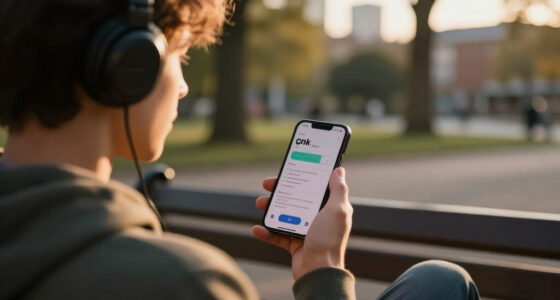
📊 Full opportunity report: A Visual Check-In For Your Skincare Routine on IdeaNavigator AI — validation score, market gap, and execution plan.

Get the latest gadgets delivered free with Prime
- Fast, free delivery on millions of items
- Prime Video, Amazon Music and more included
- Member-only deals all year
TL;DR
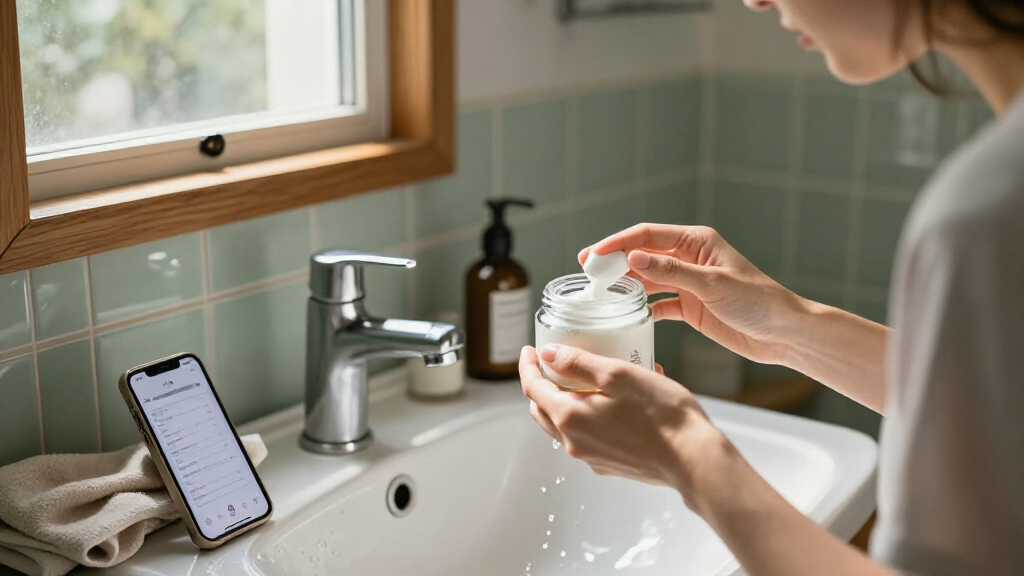
IdeaNavigator AI has outlined a proposed app that uses guided weekly selfies to track skin texture, tone and blemishes alongside skincare routine changes. It is a product concept, not a validated service: the proposal calls for a 12-week trial with 500 users and dermatologist comparisons before its measurements or business model can be assessed.
IdeaNavigator AI has proposed a skincare-tracking app that would use guided weekly selfies to monitor skin texture, tone and blemishes, giving users a visual record of how their routines perform. The proposal describes an untested product concept, not a launched app or evidence that its measurements can reliably show whether a skincare product works.
The proposed app would guide users to take a weekly face photo with consistent positioning and lighting. It would then estimate changes in texture, tone evenness and blemish counts, display those measures over time and annotate when users change products or routines. The goal is to make gradual changes easier to compare than relying on memory or photographs taken under different bathroom lighting.
IdeaNavigator AI frames the target user as someone spending money on skincare without being sure whether a routine is helping. It estimates that these consumers may spend $50 to $200 a month; that figure is part of the proposal’s market framing, not a reported survey result. The concept argues that slow-to-notice skin changes could lead people to stop using products that are working or continue with ones that are not.
The suggested business model combines a paid subscription with affiliate revenue from products associated with improvement among users. To test the idea, the proposal recommends a 12-week cohort of 500 users, comparing app measurements with dermatologist assessments of photographs for a subset of participants and tracking retention. No trial results, dermatologist validation, app release or commercial partnerships are reported.
A Better Record, Not a Diagnosis
If developed and validated, a consistent photo record could help users notice gradual changes that are difficult to judge from one day to the next. Recording when a routine changes alongside skin measurements could also give users a more organized basis for reviewing their own experience, rather than relying only on memory. That could be useful in a category where people often try several products over time.
But a chart showing change would not, by itself, establish that a particular product caused it. Skin can vary for many reasons, and the proposal does not describe a method for separating product effects from other influences. Nor does it present evidence that automated scores would match professional assessments. The distinction matters because the proposed service could shape purchasing decisions, especially if users interpret an apparent improvement as proof that a product works.
The affiliate element adds another question for any eventual service: recommendations could generate revenue when users buy products. The concept does not specify how such links would be disclosed or how recommendations would be kept separate from measurement results. Those details would matter to users evaluating whether the app is a neutral tracking tool or also a sales channel.
As an affiliate, we earn on qualifying purchases.
From Selfies to Skin Metrics
The idea combines two familiar practices: taking progress photographs and using software to analyze images. Its proposed difference is a structured weekly capture process, with alignment and lighting normalization intended to make photos more comparable. The concept names texture, tone and blemish counts as the measures to follow, but it does not provide technical details about the model, its accuracy or the range of skin types and conditions it would cover.
That gap is why the proposed dermatologist comparison is central to the validation plan. Human review of a subset of images could offer a point of comparison for app scores, while a 12-week cohort could show whether participants keep using the product. However, a pilot of that size and duration would not automatically establish that a routine caused a measured change or that results apply broadly. The proposal describes these as steps to conduct, not completed research findings.
As an affiliate, we earn on qualifying purchases.
Accuracy and Trial Status
No accuracy results are provided. It is not clear how the proposed model would distinguish meaningful skin changes from shifts caused by lighting, camera differences, facial expression or other factors. The proposal also does not report whether the measures have been tested across different skin tones or against dermatologist evaluations.
The status of the recommended cohort is also unknown: no recruitment, study dates, results or retention figures are given. There is no named app, launch date, pricing, privacy policy or explanation of how face photographs would be stored and used. Until those details and validation evidence are available, the concept cannot establish that its scores identify an effective routine or support reliable product recommendations.
dermatologist-approved skin measurement tools
As an affiliate, we earn on qualifying purchases.
As an affiliate, we earn on qualifying purchases.
Evidence Needed Before Launch
The next concrete step described is a 12-week pilot with 500 participants. Its proposed checks include comparing the app’s photo-based metrics with dermatologist assessments for a subset and measuring how many users continue using the service. Those results could help determine whether the workflow is usable and whether its measurements align with professional photo reviews.
No timeline for the pilot or product launch has been announced in the available proposal. Any future assessment would also need clear reporting on measurement limits, photo privacy, the handling of different skin tones and the disclosure of affiliate relationships. For now, the development is best understood as an early product idea with a suggested validation plan, rather than a proven way to determine whether skincare works.
Source: IdeaNavigator AI
As an affiliate, we earn on qualifying purchases.
Key Questions
Is the skincare selfie app available now?
The proposal does not identify a launched app, release date or commercial service. It describes a concept and a suggested pilot.
What would the app measure?
It is proposed to track skin texture, tone evenness and blemish counts from guided weekly photographs. No performance or accuracy results are reported.
Has the approach been validated by dermatologists?
No completed validation is reported. The proposal recommends comparing app measurements with dermatologist assessments of photographs for a subset of participants in a future study.
How would the service make money?
The suggested model combines a subscription with affiliate revenue from products correlated with user improvement. The proposal does not explain how recommendations would be selected or affiliate links disclosed.
Source: IdeaNavigator AI
Halloween Picks
halloween
As an affiliate, we earn on qualifying purchases.