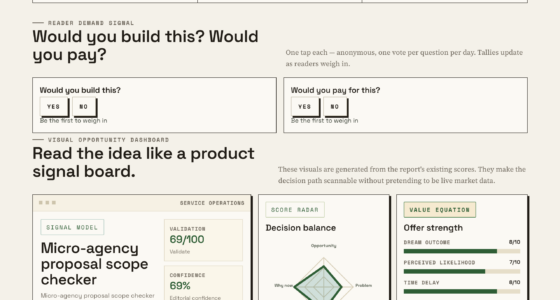
📊 Full opportunity report: Device Security Checker For Remote Teams' Mixed Hardware on IdeaNavigator AI — validation score, market gap, and execution plan.
TL;DR
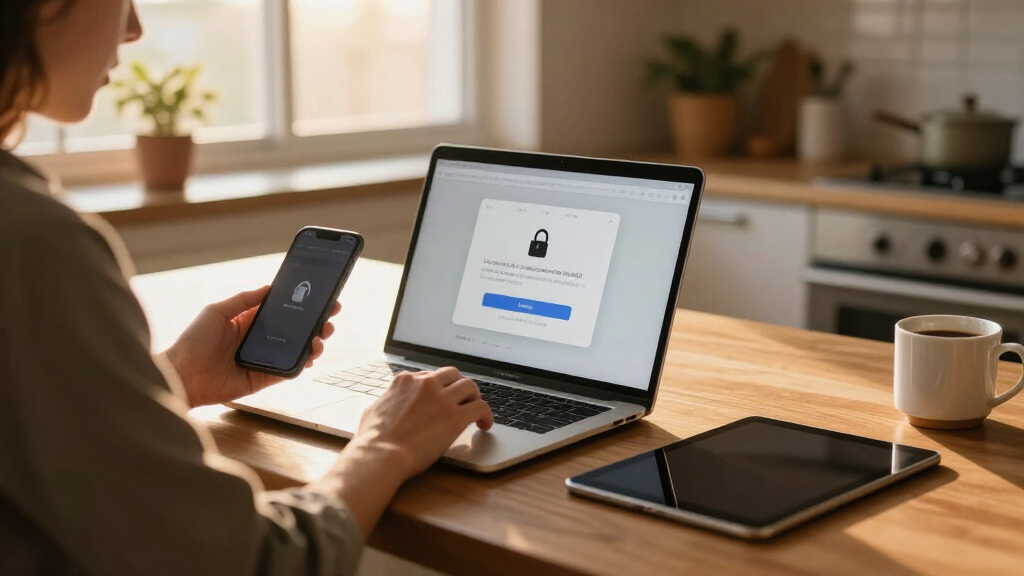
A new security tool offers remote companies a lightweight, voluntary agent to verify device encryption, updates, and security settings across employee-owned hardware. It aims to address compliance gaps without heavy management tools.
A new lightweight device security checker is in development to help remote teams verify the security posture of employee-owned hardware. The tool, designed for operations or security leads at small and medium-sized businesses, aims to address compliance gaps related to device encryption, OS updates, and security configurations without relying on invasive management platforms. This development responds to increasing regulatory and customer security demands for remote work environments.
The proposed solution involves a voluntary, lightweight agent that employees install on their personal devices. This agent checks critical security settings such as disk encryption, OS update status, screen lock activation, and password manager presence. It then reports the compliance status—pass or fail—to a centralized dashboard accessible to security teams. Importantly, the system does not enable remote control or management, reducing employee resistance and privacy concerns.
Marketed primarily toward SMBs, the tool aims to fill a verification gap created by the limitations of mobile device management (MDM) solutions, which are often too invasive for personal devices. The business model involves per-device monthly pricing, with additional features like compliance report exports available on paid tiers. The initial testing phase will involve deploying the tool at ten remote startups facing SOC 2 audits, with success measured by device enrollment rates and acceptance of reports by auditors.
Why This Security Tool Could Transform Remote Device Compliance
This development is significant because it offers a practical solution for remote companies to improve security posture verification without intruding on employee privacy. As regulatory requirements like SOC 2 become standard even for smaller firms, having a simple, non-invasive way to verify device security can reduce audit friction and mitigate breach risks. The approach could also influence how SMBs handle endpoint security, shifting from invasive management to voluntary compliance checks.
By enabling self-remediation instructions and easy reporting, this tool could streamline security workflows, reduce compliance costs, and improve overall security hygiene across distributed teams. Its success may set a new industry standard for balancing security and privacy in remote work environments.
device security checker for remote work
As an affiliate, we earn on qualifying purchases.
As an affiliate, we earn on qualifying purchases.
Remote Work and Security Compliance Challenges for SMBs
Over recent years, remote work has become mainstream, leading to a proliferation of employee-owned devices used for work tasks. Unlike corporate-owned hardware, these devices often lack centralized management, creating security gaps. Many SMBs face increasing pressure to meet security standards such as SOC 2, which require proof of device security measures like encryption and up-to-date software.
Current solutions, such as mobile device management (MDM), are often too invasive for personal devices, leading to employee resistance or outright rejection. As a result, many companies lack visibility into their device fleet’s security status, exposing them to potential breaches and compliance failures. This gap has prompted startups to develop lightweight, voluntary tools that can verify device security without infringing on employee privacy.
Initial efforts focus on small deployments at startups facing regulatory audits, with the hope that broader adoption could reshape endpoint security practices for remote teams.
employee device encryption verification tool
As an affiliate, we earn on qualifying purchases.
As an affiliate, we earn on qualifying purchases.
Unclear How Auditors Will Accept Self-Reported Data
It is not yet confirmed how security auditors will view the device posture reports generated by this tool. While initial tests aim to demonstrate acceptance, broader industry standards or regulatory acceptance remain unproven. Additionally, the effectiveness of the self-remediation instructions and the tool’s ability to accurately detect security gaps in diverse device environments are still being evaluated.
As an affiliate, we earn on qualifying purchases.
Next Steps Include Pilot Deployment and Auditor Feedback
The company plans to deploy the agent at ten remote startups to assess device enrollment rates and gather feedback from auditors on report acceptance. If successful, the tool could expand to a wider market, with additional features like automated remediation and integration with existing security workflows. Monitoring results from these early pilots will determine how quickly the product scales and how it influences SMB security standards.
privacy-focused device security agent
As an affiliate, we earn on qualifying purchases.
As an affiliate, we earn on qualifying purchases.
Key Questions
How does the device security checker work?
The tool involves a voluntary, lightweight agent that employees install on their personal devices. It checks for encryption, OS updates, screen lock, and password manager presence, then reports compliance status to a dashboard without remote control capabilities.
Will this tool replace existing management solutions?
No, it is designed as a complementary verification tool, not a management platform. It aims to fill gaps where traditional MDM solutions are too invasive for employee-owned devices.
Is employee privacy protected?
Yes, the system only reports security posture data and does not enable remote control or access to personal information, addressing privacy concerns common with invasive management tools.
When will this tool be generally available?
The initial deployment is planned for early rollout at ten startups, with broader availability depending on pilot outcomes and auditor acceptance.
Can this tool help with compliance audits?
Yes, it provides compliance reports that can be exported for audit purposes, simplifying evidence collection for standards like SOC 2.
Source: IdeaNavigator AI