
🔍 Read the full analysis: Can The US Grid Meet Data Centers’ Power Needs? Four Hard Questions on Rymvard

Get the latest gadgets delivered free — and shop member deals
- Fast, free delivery on millions of items
- Access to Prime Big Deal Days deals on October 6–7
- Prime Video, Amazon Music and more included
TL;DR
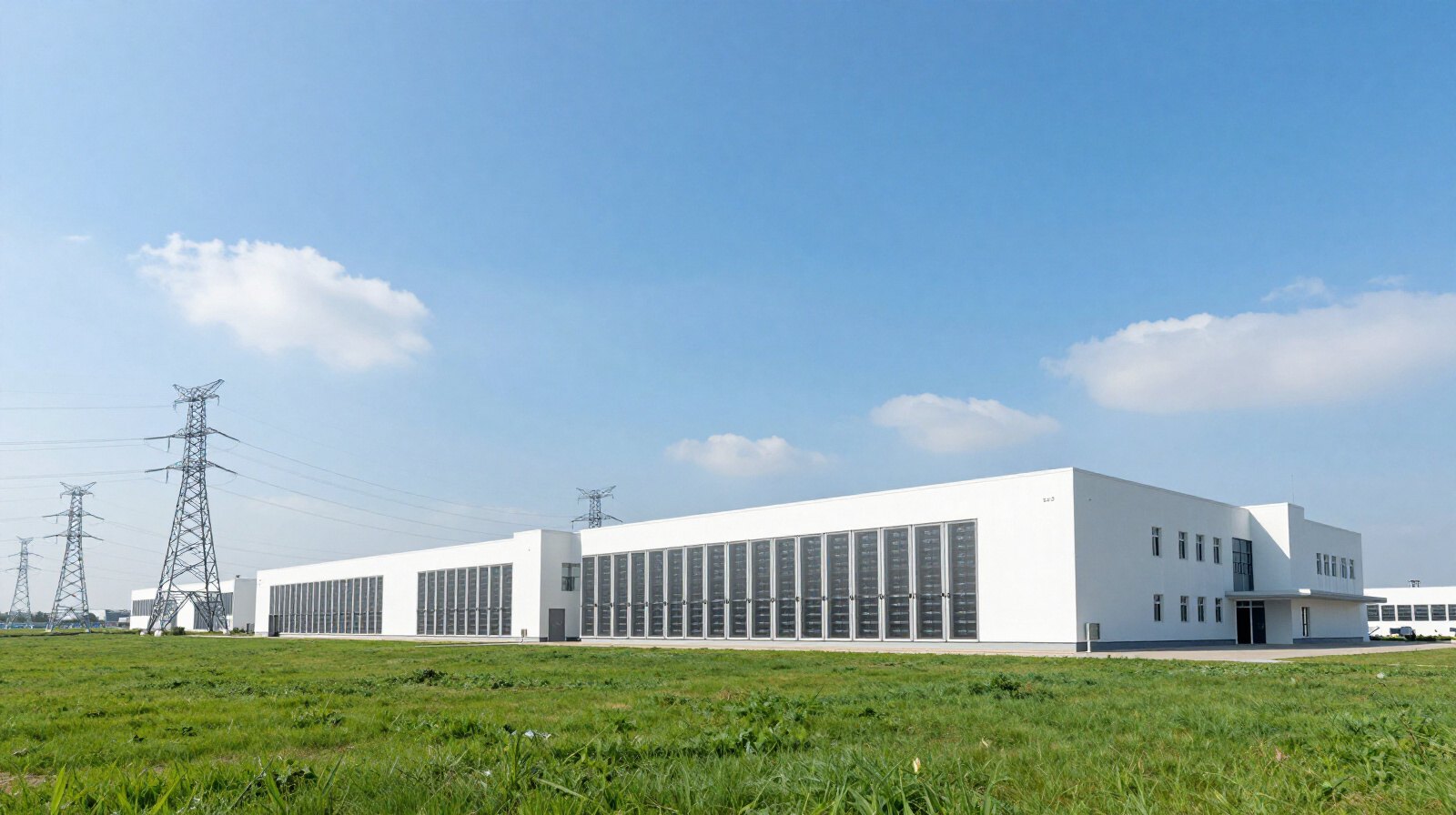
Rymvard published four illustrative scenarios on Oct. 3, 2026, showing how data-center power planning differs across Northern Virginia, Texas, Arizona and central Ohio. The examples point to constraints involving utility connections, possible curtailment, cooling and long-term payment commitments; they do not document customer sites or outcomes.
Rymvard published four illustrative scenarios on Oct. 3, 2026, examining how data centers’ ability to use and sell power can be constrained in Northern Virginia, Texas, Arizona and central Ohio. The examples focus on connection delays, grid curtailment, cooling limits and minimum payment obligations, but are not based on identified customer sites and do not establish outcomes for any particular operator. These issues reflect broader power constraints facing AI data centers.
The scenarios describe distinct planning problems rather than a single national shortage figure. In Northern Virginia, Rymvard says new utility connections can take years. It also notes that some capacity a campus can sell in the current year may already be within the site boundary, including capacity reserved by customers whose measured electricity use remains below their reservations. The company does not provide figures for connection queues or unused reserved capacity.
In Texas, the examples refer to Senate Bill 6, signed in June 2025. Under the account provided, sites of 75 megawatts or more must accept curtailment when the grid operator sheds load. That makes it relevant for operators to distinguish racks supporting critical services from loads that can be reduced or paused. The scenarios do not report that a particular facility has been curtailed.
For Arizona, Rymvard identifies cooling, rather than power supply alone, as a potential limit during the hottest afternoons. In central Ohio, it points to an AEP Ohio data-center tariff requiring new data centers above 25 MW to pay for at least 85% of the power they subscribe to, for up to 12 years. The tariff reference is PUCO case 24-508-EL-ATA, with an order dated July 9, 2025.
Four Constraints Shape Data-Center Capacity
The examples show why a headline number for a campus’s electrical capacity may not tell operators how much power is usable, sellable or financially committed. Connection rights, reservations and actual draw can differ, while curtailment rules may require advance decisions about which workloads can tolerate interruptions.
Cooling can also limit operations even where electrical supply is available. And a tariff requiring payment for most subscribed power can expose a project to costs if demand grows more slowly than expected. These distinctions matter to developers planning new campuses, utilities allocating service, and customers deciding whether a site can support their workloads. Rymvard’s scenarios illustrate those issues; they do not quantify their prevalence across the U.S. or prove that its product resolves them.
portable power station for data centers
As an affiliate, we earn on qualifying purchases.
As an affiliate, we earn on qualifying purchases.
Local Rules, Different Operating Limits
The four locations are presented as examples of different factors that can shape data-center capacity. Northern Virginia’s scenario centers on the time needed to obtain a new utility connection and the gap that can exist between reserved and measured power. Texas’s focuses on when large sites may be required to reduce demand. Arizona’s highlights heat-related cooling constraints, while central Ohio’s concerns a utility tariff and the cost of subscribed capacity.
Rymvard describes its product as a capacity ledger that brings measured power, contracts, recovery reservations, cooling and demand into one view. The company says the product is running in early access. Screens shown with the scenarios come from the running product using an illustrative example estate, not a customer. Pricing is not published and is agreed with early-access partners.
“Rymvard describes the product as “the capacity ledger for data centers.””
— Rymvard
uninterruptible power supply (UPS) for server rooms
As an affiliate, we earn on qualifying purchases.
As an affiliate, we earn on qualifying purchases.
No Customer Outcomes Are Reported
The scenarios do not provide a national estimate of data-center electricity demand, available grid capacity or the number of projects affected by these constraints. They also do not identify customer sites, show measured outcomes, or compare the product’s results against another planning method. The examples are illustrative, and their assumptions and underlying calculations are not detailed in the material describing them.
For Texas, the scenarios do not specify how curtailment would be applied at individual facilities or how often it might occur. For Arizona, they give no temperature, cooling or power thresholds. In Northern Virginia, no connection timeline is assigned to a named project; in Ohio, the tariff’s stated payment requirement is not accompanied by a customer cost example. Those details would be needed to assess specific sites.
As an affiliate, we earn on qualifying purchases.
Early Access Will Test the Ledger
Rymvard says its product is in early access and is working with partners under individually agreed pricing. The company has not announced a public price, a broader release date or customer results in the material accompanying the scenarios. Further information about adoption and performance would help establish whether the ledger changes operational or investment decisions.
For data-center developers and operators, the next practical step is to evaluate these constraints against site-specific utility agreements, load measurements, cooling capacity and applicable tariffs. The four scenarios provide a framework for those questions, but actual capacity and costs will depend on the details of each project and local rules.
Source: Rymvard
As an affiliate, we earn on qualifying purchases.
Key Questions
What did Rymvard publish?
Rymvard published four illustrative scenarios on Oct. 3, 2026, covering data-center capacity issues in Northern Virginia, Texas, Arizona and central Ohio.
Do the scenarios describe real customer sites?
No. Rymvard says the examples are illustrative, do not imply a customer or site, and show product screens using an example estate rather than customer data.
What Texas requirement does the report describe?
It says Texas Senate Bill 6, signed in June 2025, requires sites of 75 MW or more to accept curtailment when the grid operator sheds load. The scenarios do not describe a specific curtailment event.
What is the central Ohio payment requirement?
The cited AEP Ohio tariff requires new data centers above 25 MW to pay for at least 85% of subscribed power for up to 12 years, according to the order in PUCO case 24-508-EL-ATA dated July 9, 2025.
Is Rymvard’s product generally available?
Rymvard says the product is in early access. It has not published prices; pricing is agreed with early-access partners.
Source: Rymvard
Halloween Picks
halloween
As an affiliate, we earn on qualifying purchases.