
📊 Full opportunity report: Women’s Health Radar on IdeaNavigator AI — validation score, market gap, and execution plan.
TL;DR
A women’s health digital tool, called Women’s Health Radar, is in development to detect early perimenopause symptoms. It targets women aged 40-58 and aims to improve diagnosis and reduce untreated symptoms. The initiative is in testing phase with plans for validation through user engagement.
A new digital health tool called Women’s Health Radar is being tested to flag early signs of perimenopause in women aged 40 to 58. This development aims to improve diagnosis, facilitate timely care, and support employers and health plans funding menopause benefits, addressing a widespread gap in women’s health management.
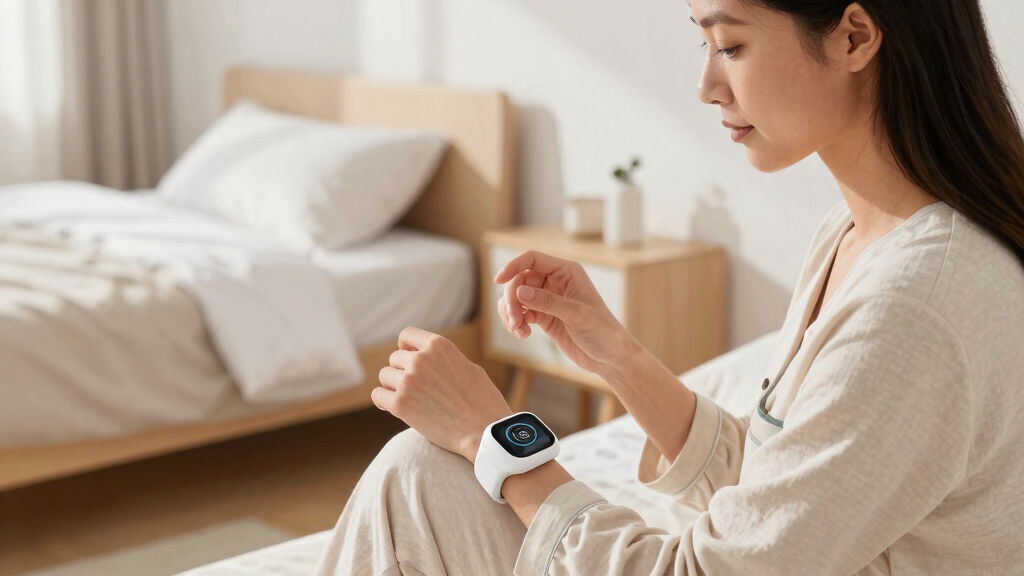
The Women’s Health Radar is a mobile app designed for women 40+ to log daily symptoms such as sleep disruption, mood changes, hot flashes, irregular cycles, and energy levels. It incorporates optional wearable data and uses rules-based and machine learning algorithms to compare patterns against validated perimenopause symptom scales. The goal is to identify likely perimenopause signals early and generate a clinician-ready symptom summary, which can be shared with healthcare providers for further evaluation or treatment.
The project is currently in a testing phase, involving a 4-6 week landing-page and waitlist campaign targeting women aged 40-55. Participants will complete a free ‘perimenopause symptom radar’ quiz based on validated scales, with success measured by the percentage opting into ongoing tracking and requesting clinician summaries or referrals. The initiative aims to validate the tool’s effectiveness in early detection and route women to covered telehealth or local menopause specialists.
Potential Impact on Women’s Health Diagnosis
This development could significantly improve early detection of perimenopause, a stage often misattributed to stress or aging, leading to delayed treatment. By enabling timely diagnosis, Women’s Health Radar may reduce untreated symptoms that affect sleep, mood, and work productivity. It also offers a scalable, digital approach that could lower barriers to specialized care, especially given the limited menopause training among primary-care clinicians. The tool’s success could influence how menopause management is integrated into digital health and employer-funded wellness programs, ultimately improving quality of life for millions of women.
women's symptom tracking app for perimenopause
As an affiliate, we earn on qualifying purchases.
As an affiliate, we earn on qualifying purchases.
Growing Focus on Menopause as a Femtech Sector
Menopause has become the fastest-growing segment within the femtech industry, with category leader Midi Health reaching a $1 billion valuation in February 2026. Major insurance providers now increasingly cover virtual menopause consultations, reflecting growing acceptance and demand for digital menopause care. Despite this progress, many women remain undiagnosed or untreated due to symptom misattribution and limited clinician training. Digital symptom tracking tools like Women’s Health Radar aim to fill this gap by providing early detection and facilitating access to appropriate care.
“Early detection of perimenopause through digital symptom monitoring could transform care pathways and improve health outcomes.”
— an anonymous researcher
wearable device for menopause symptoms
As an affiliate, we earn on qualifying purchases.
As an affiliate, we earn on qualifying purchases.
Validation and Adoption Challenges
It is not yet clear how accurately the Women’s Health Radar will perform in real-world settings or how widely it will be adopted by women and healthcare providers. The effectiveness of the algorithm, user engagement levels, and integration with existing healthcare systems remain to be demonstrated through ongoing validation efforts. Additionally, the impact on clinical outcomes and health plan coverage policies is still uncertain.
digital health tools for menopause management
As an affiliate, we earn on qualifying purchases.
As an affiliate, we earn on qualifying purchases.
Upcoming Validation and Market Launch Steps
The next phase involves running the 4-6 week landing-page and waitlist campaign, measuring user engagement, and assessing the accuracy of symptom pattern detection. If results are promising, the team plans to refine the app, expand testing, and seek regulatory and clinical validation. Successful validation could lead to broader deployment, partnerships with employers and insurers, and eventual commercialization of the Women’s Health Radar platform.
As an affiliate, we earn on qualifying purchases.
Key Questions
How does Women’s Health Radar detect perimenopause?
The app collects daily symptom data, optionally integrates wearable information, and uses rules-based and machine learning algorithms to identify patterns indicative of perimenopause, then generates a shareable symptom summary for clinicians.
Is this tool a diagnostic device?
No, the app is positioned as an educational pattern detection tool, not a diagnostic device. It aims to flag likely perimenopause signals and facilitate timely clinical evaluation.
Who can benefit from this technology?
Women aged 40-58 experiencing unexplained perimenopausal symptoms, as well as employers and health plans seeking to reduce attrition and absenteeism related to menopause symptoms.
What are the next steps for this project?
The team will conduct validation testing through user engagement metrics, refine the app based on feedback, and seek broader clinical validation and partnerships to support commercialization.
Could this tool replace clinical diagnosis?
No, it is designed as a screening and educational aid to support timely clinical assessment, not a replacement for medical diagnosis.
Source: IdeaNavigator AI