🔍 Read the full analysis: AI-Enhanced Collaboration For Plumbing & HVAC: No More Surprises on ThorstenMeyerAI.com

Get the latest gadgets delivered free — and shop member deals
- Fast, free delivery on millions of items
- Access to Prime Big Deal Days deals on October 6–7
- Prime Video, Amazon Music and more included
TL;DR
A new AI-powered platform is revolutionizing plumbing and HVAC projects by improving coordination, reducing unplanned wall breakthroughs, and streamlining maintenance. Confirmed by industry sources, this development aims to cut project delays and costs.
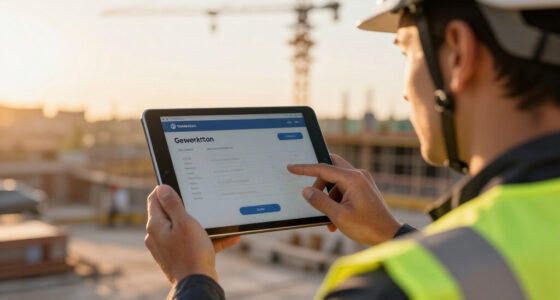
Gewerkton’s new AI-enhanced platform is transforming plumbing and HVAC project management by providing real-time, precise coordination, reducing unplanned breakthroughs, and streamlining workflows. For more details, see the original analysis of this innovative approach here. The platform’s integration of AI and digital documentation aims to eliminate common on-site surprises, saving time and costs for building services companies like Thermowerk Riedel GmbH & Co. KG. This innovation is confirmed to be actively improving project outcomes, according to industry sources. Learn more about the challenges in project coordination in the original analysis.
Gewerkton’s platform combines AI-driven planning, real-time communication, and comprehensive digital documentation to improve collaboration among trades in building projects. It tracks the status of each breakthrough, from request to completion, and uses AI to predict and prevent conflicts before they occur. For example, it flags potential clashes between pipes, ducts, and structural elements in advance, enabling contractors to adjust plans proactively.
One key feature is the platform’s ability to verify wall photos and project progress before closing walls, ensuring that all necessary penetrations are accounted for and correctly placed. This reduces the common problem of uncoordinated breakthroughs, which previously led to costly rework and delays. Industry insiders report that uncoordinated breakthroughs have dropped from over 40 per project to fewer than five, significantly improving project timelines and profitability.
Additionally, the platform offers a digital equipment register that persists beyond project completion. This register includes maintenance schedules and warranty information, facilitating ongoing operations and reducing post-handover issues. The system’s structured data approach allows operators to locate leaks faster—taking approximately 20 minutes instead of two days—by accessing detailed photo archives and project records stored in the cloud. This approach is discussed in detail in the original analysis.
Impacts of AI on Building Services Coordination
This development matters because it directly addresses longstanding industry challenges: project delays, cost overruns, and unpredictable surprises during construction. By integrating AI into the workflow, companies can achieve higher accuracy, better planning, and fewer errors, leading to increased margins and fewer disputes. The ability to prevent unplanned breakthroughs and streamline maintenance also supports more sustainable, efficient building operations. As the platform gains adoption, it could set new standards for digital collaboration in the industry, influencing global practices.
As an affiliate, we earn on qualifying purchases.
Industry Challenges and Digital Innovation in Building Services
Building services companies have historically struggled with coordination issues, especially in complex residential and healthcare projects. Unplanned breakthroughs, misaligned shafts, and incomplete documentation have caused delays and increased costs. Traditional methods relied heavily on manual planning, emails, and physical site checks, which often led to errors and rework.
Recent technological advances, including digital building models and cloud-based documentation, have begun to address these issues. The Gewerkton platform, powered by Thorsten Meyer AI, is among the latest innovations integrating AI with construction workflows. Its focus on real-time data, predictive conflict detection, and digital asset management aims to bring a new level of precision and efficiency to the industry.
As an affiliate, we earn on qualifying purchases.
Remaining Questions About AI Integration in Construction
While early reports are promising, it is still unclear how widely and quickly this technology will be adopted across different regions and project types. The long-term reliability of AI predictions in highly complex or unusual projects remains to be validated, and some companies may face challenges integrating new workflows into existing processes. Additionally, the cost of implementation and training could influence adoption rates, and regulatory considerations around digital documentation are still evolving.
digital documentation platform for construction
As an affiliate, we earn on qualifying purchases.
As an affiliate, we earn on qualifying purchases.
Next Steps for Industry Adoption and Validation
Industry stakeholders will likely monitor pilot projects and early adopters’ experiences over the coming months. As more companies implement the platform, data on its effectiveness and ROI will become clearer. Further developments may include enhanced AI capabilities, expanded integrations with existing enterprise systems, and broader regulatory acceptance. The industry anticipates that ongoing feedback will refine the platform and accelerate adoption across Europe and beyond.
AI-powered building project planning
As an affiliate, we earn on qualifying purchases.
As an affiliate, we earn on qualifying purchases.
Key Questions
How does AI improve coordination in plumbing and HVAC projects?
AI analyzes project data in real-time to identify potential conflicts, predict issues before they occur, and suggest adjustments, reducing unplanned breakthroughs and rework.
What are the main benefits of this platform for building services companies?
Key benefits include fewer delays, lower costs, improved accuracy, better documentation, and streamlined maintenance and warranty management.
Is this technology already widely adopted?
Adoption is currently limited to pilot projects and early adopters, with broader industry uptake expected as evidence of benefits accumulates.
What challenges might companies face when implementing this AI platform?
Challenges include integrating with existing workflows, training staff, and managing the costs of deployment and ongoing support.
Will AI replace human oversight in construction coordination?
No, AI is intended to augment human decision-making, providing better data and predictions to support on-site teams.
Source: ThorstenMeyerAI.com
Fall Picks
fall essentials
As an affiliate, we earn on qualifying purchases.