
📊 Full opportunity report: Can A Scanning Workflow Bring Order To Small Office Documents? on IdeaNavigator AI — validation score, market gap, and execution plan.
TL;DR
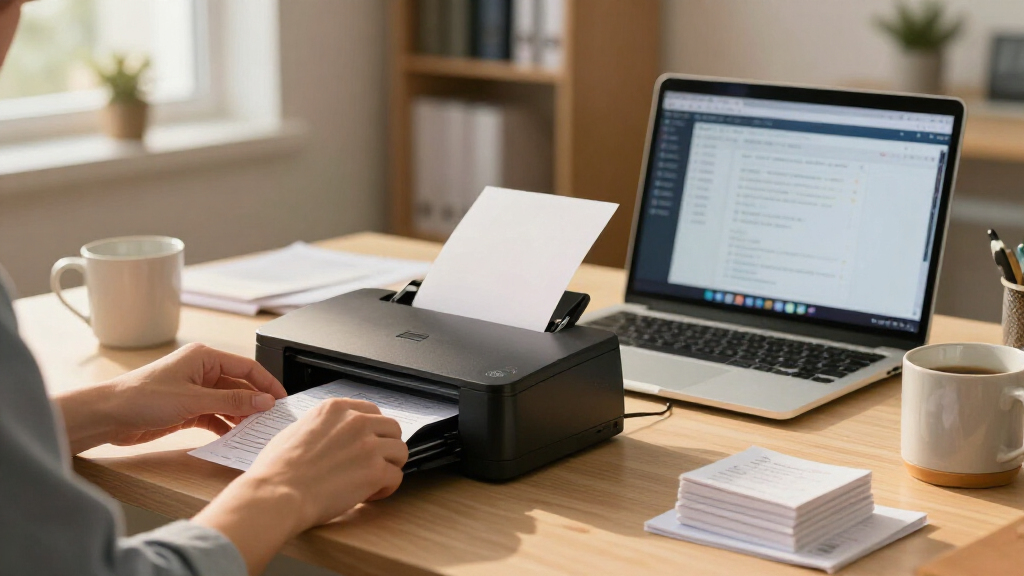
IdeaNavigator AI proposes a one-week pilot of an auto-filing scanner with five small offices, each processing a backlog of 200 documents. According to the proposal, the test would measure classification accuracy and willingness to pay; it reports no pilot results or product launch.
IdeaNavigator AI has outlined a proposed pilot to test whether an auto-filing scanner can help small nonprofits, clinics and law offices organize paper records. The proposal calls for five offices to scan 200 documents each over one week, measuring how accurately the software classifies files and whether staff would pay for it; it reports no pilot results or launched product.
According to IdeaNavigator AI’s proposal, the workflow is designed for offices with paper backlogs and limited IT support. A staff member would use a phone to photograph documents; software would apply optical character recognition (OCR), suggest a document category and filename, and save a searchable PDF in a shared folder. The proposal gives a filename combining an invoice label, date and vendor as an example.
The proposal identifies the problem as more than converting paper into images. Generic scanning apps may produce files without useful names or extracted details, leaving staff to sort and locate them manually. The proposed tool would attempt to connect scanning with classification, naming and shared storage in one workflow.
IdeaNavigator AI suggests a monthly per-seat subscription, with a page-volume limit and additional charges for use above that cap. The proposal says the pilot would test operational performance and commercial interest, using two stated measures: correct auto-classification rates and offices’ willingness to pay per seat.
Testing the Filing Work, Not Just OCR
For a small office, searchable files can reduce the time staff spend looking through cabinets or opening batches of vaguely named scans. If a system can reliably identify document types and key details, it could make digitization more useful than creating an electronic pile of images. That would matter particularly to offices where administrative work is handled alongside front-line services.
But the proposal is still a validation plan, not evidence that the software works. The classification rate matters because a mistaken label or filename can make a record harder to retrieve and may send staff to the wrong file. Willingness to pay also tests whether any time saved is valuable enough to support an ongoing subscription, rather than a one-time scanning project.
The small pilot could provide an early indication of fit, but five offices would not establish performance across the broader market. Document formats, handwriting, scan quality and filing practices vary. Results would need to show not only whether pages can be processed, but how often staff must review or correct the output.
document scanner with OCR and auto-filing
As an affiliate, we earn on qualifying purchases.
As an affiliate, we earn on qualifying purchases.
From Paper Backlogs to Searchable Files
IdeaNavigator AI identifies office managers at small nonprofits, clinics and law offices as the target users. Its proposal describes filing cabinets and difficult-to-search paper records as the problem, and unsorted scanner output as an incomplete solution.
The proposal points to on-device and API-based OCR and layout-aware software as technologies that may make automatic naming, classification and field extraction affordable for smaller organizations. This is the proposal’s rationale for testing the workflow, not a reported benchmark or independent finding about accuracy. No specific software vendor, technical system or product release is identified.
The proposed test is deliberately narrow: five small offices, a one-week period and a backlog of 200 documents per office. IdeaNavigator AI does not report that organizations have enrolled or begun scanning. The proposal says the test would use a real backlog rather than a demonstration set, so it reflects ordinary documents and office practices.
small office document management scanner
As an affiliate, we earn on qualifying purchases.
As an affiliate, we earn on qualifying purchases.
Accuracy, Privacy and Pilot Results
IdeaNavigator AI reports no trial results, and its proposal does not say that the test is underway. The expected classification rate, amount of human correction, processing speed and willingness to pay remain unknown. The proposal also does not specify what accuracy threshold would count as a successful pilot.
Other practical details are not provided, including how the system would handle handwritten or low-quality pages, duplicate records, multi-page documents, or files that fit more than one category. The proposal describes a shared-folder workflow but gives no information about storage, access controls, retention, encryption or whether processing would happen on a phone or through an external service. Those questions may carry particular weight for clinics and law offices handling sensitive records.
IdeaNavigator AI provides no pricing figure, named product, confirmed customer or evidence of demand. The per-seat subscription and page cap are proposed commercial terms, not an announced offer. Until a pilot is conducted and its results are disclosed, the concept’s accuracy and commercial viability remain unverified.
searchable PDF scanner for small offices
As an affiliate, we earn on qualifying purchases.
As an affiliate, we earn on qualifying purchases.
A Five-Office Pilot Would Test Fit
IdeaNavigator AI’s proposed next step is a one-week pilot across five small offices, with each organization scanning 200 documents from its own backlog. The proposal says organizers would measure correct auto-classification and ask about willingness to pay per seat. It announces no start date, participating offices or reporting schedule.
A useful account of the results would include the number and types of documents processed, how accuracy was measured, how frequently staff corrected filenames or categories, and whether the software extracted fields reliably. Any pricing feedback would also need to be distinguished from actual paid subscriptions. For offices considering similar tools, details on data handling and access controls would be relevant alongside performance figures.
Until those results are available, the scanner should be understood as a proposed small-office workflow being tested for demand, not a proven filing system. The immediate question is whether it can reduce manual sorting without creating enough errors or review work to cancel out the time saved.
Source: IdeaNavigator AI
auto-classifying document scanner software
As an affiliate, we earn on qualifying purchases.
As an affiliate, we earn on qualifying purchases.
Key Questions
Has the scanner been launched?
No launch is reported. IdeaNavigator AI’s proposal describes a product concept and a planned pilot, not a released scanner or an available subscription.
What would the pilot test?
According to the proposal, five small offices would each scan 200 documents over one week. The stated measures are correct auto-classification rates and willingness to pay per seat.
What would the software do with a scanned document?
The proposed workflow would use OCR to read photographed pages, suggest a document type and filename, and save a searchable PDF in a shared folder. IdeaNavigator AI has not reported its actual accuracy.
How would the service charge customers?
IdeaNavigator AI suggests a monthly per-seat subscription with a page-volume cap and overage pricing. The proposal provides no prices or finalized terms.
What remains unknown for offices handling sensitive records?
IdeaNavigator AI’s proposal does not specify storage arrangements, access controls, retention practices or whether documents would be processed on-device or through an external service. Those details are not confirmed.
Source: IdeaNavigator AI