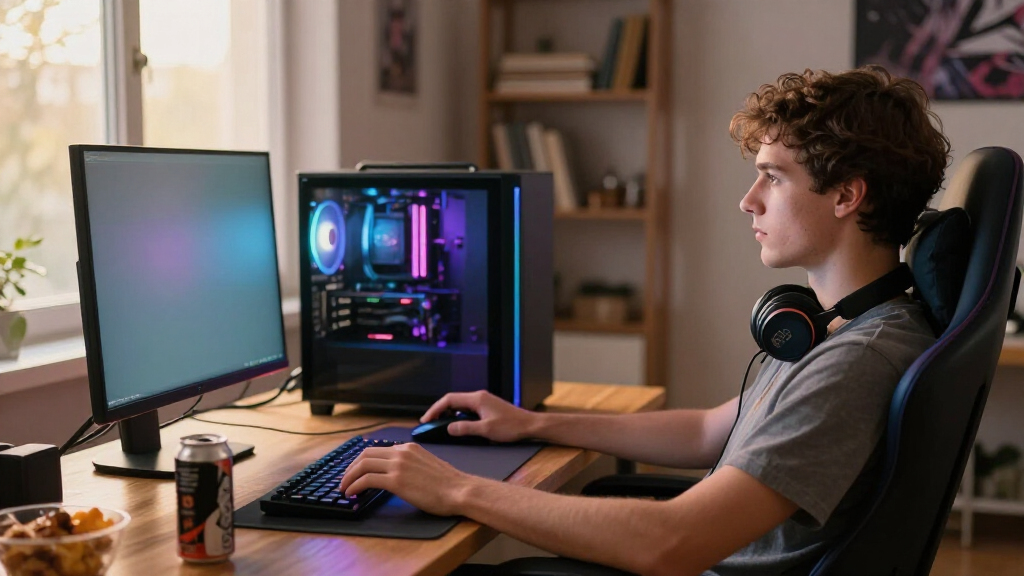

The Skytech Gaming PC Desktop with the Ryzen 7 9850X3D and RTX 5080 is the best high-end gaming PC overall, pairing the strongest gaming CPU of this generation with a GPU that handles 4K max-settings gaming comfortably. Close behind are the CLX Set and Thermaltake Reactor 9880, both of which match the RTX 5080 with the 9800X3D — a combo that squeezes more frames at high refresh rates than the 9850X3D builds at a lower tier of CPU. The main tradeoffs in this category are raw GPU power versus CPU headroom, prebuilt cases with limited upgrade paths versus roomier boutique chassis, and flashy aesthetics versus quiet, thermally efficient designs. Buyers who want RTX 5070-class performance for less should look at the Skytech King 95 and MSI Codex Z2, while the ASUS ROG Strix G700 sits at an odd extreme — massive RAM and storage paired with a dated GPU. Read on for the full breakdown of all 13 systems and which one fits your setup.

Get the latest gadgets delivered free — and shop member deals
- Fast, free delivery on millions of items
- Access to Prime Big Deal Days deals on October 6–7
- Prime Video, Amazon Music and more included
Complete the kit



Key Takeaways
- The RTX 5080 builds (Skytech 9850X3D, CLX Set, Thermaltake Reactor 9880) dominated the top tier because GPU headroom matters more than any other component once you’re spending this much — but they differ in storage capacity and case airflow.
- The 9800X3D and 9850X3D pairings revealed a clear pattern: for pure high-refresh 1440p gaming, the 9800X3D builds punch above their price, while the 9850X3D makes more sense if you stream or run heavy background tasks.
- The ASUS ROG Strix G700 is the clearest example of a misallocated build in the lineup — 192GB of RAM and 10TB of storage cannot compensate for an RTX 4060 Ti that will bottleneck modern titles at high settings.
- White-configuration options (Skytech King 95, O11 Vision) carry aesthetic value with no performance penalty, making them the picks for showcase builds — the O11 Vision’s dual-chamber glass design is the strongest display option here.
- At the value end, the MSI Codex Z2 with RTX 5070 is the entry point into this category, but its 1TB-class storage and smaller chassis mean it will need upgrades sooner than the 2TB Skytech alternatives.
| Skytech Gaming PC Desktop – AMD Ryzen 7 9850X3D, NVIDIA RTX 5080, 32GB DDR5, 2TB NVMe SSD |  | Best Overall | CPU: AMD Ryzen 7 9850X3D (4.7GHz, up to 5.6GHz Turbo) | GPU: NVIDIA GeForce RTX 5080 16GB GDDR7 | RAM: 32GB DDR5 6000 RGB with heat spreaders | VIEW LATEST PRICE | See Our Full Breakdown |
| Alienware Aurora Gaming Desktop, Intel Core Ultra 7 265KF, Windows 11 Home |  | Best Brand-Backed Support | Processor: Intel Core Ultra 7 265KF | Graphics: NVIDIA GeForce RTX 5070 (Blackwell architecture) | Operating System: Windows 11 Home | VIEW LATEST PRICE | See Our Full Breakdown |
| CLX Set Gaming PC with AMD Ryzen 7 9800X3D and GeForce RTX 5080 |  | Best Sustained Performance | Processor: AMD Ryzen 7 9800X3D, 4.7 GHz | Graphics Card: GeForce RTX 5080 | Memory: 32GB DDR5, 5600 MHz | VIEW LATEST PRICE | See Our Full Breakdown |
| MSI Codex Z2 Gaming Desktop with AMD Ryzen 7 8700F and GeForce RTX 5070 |  | Best Entry to High-End | Processor: AMD Ryzen 7 8700F, 8 cores / 16 threads, up to 5.0 GHz | Graphics: NVIDIA GeForce RTX 5070 | Memory: 32GB DDR5 | VIEW LATEST PRICE | See Our Full Breakdown |
| Horizon Autherium Dragon RGB i9 RTX Gaming PC Desktop Computer |  | Best Multitasking Workstation-Gaming Hybrid | CPU: Intel Core i9 Unlocked (up to 5.4GHz) | GPU: NVIDIA GeForce RTX 5070 OC 12GB | RAM: 64GB | VIEW LATEST PRICE | See Our Full Breakdown |
| MSI Infinite RS AI 2NVZ9-1290US Gaming PC |  | Best Full-Tower Foundation | Model: 2NVZ9-1290US | Manufacturer: MSI | Product Line: Infinite RS AI | VIEW LATEST PRICE | See Our Full Breakdown |
| Skytech Gaming King 95 Gaming PC – AMD Ryzen 7 9800X3D, NVIDIA RTX 5070 Ti 16GB, 32GB DDR5, 1TB NVMe SSD, White |  | Best Value 1440p Performer | Processor: AMD Ryzen 7 9800X3D, 4.7GHz (5.2GHz Boost) | Graphics: NVIDIA GeForce RTX 5070 Ti 16GB GDDR7 | Memory: 32GB DDR5 5600 RGB | VIEW LATEST PRICE | See Our Full Breakdown |
| Skytech Gaming O11 Vision Gaming PC, Ryzen 7 9850X3D, RTX 5070 Ti, 32GB DDR5, 2TB NVMe SSD |  | Best Overall | Processor: AMD Ryzen 7 9850X3D, up to 5.6GHz boost | Graphics: NVIDIA GeForce RTX 5070 Ti, 16GB GDDR7 | Memory: 32GB DDR5 5600 | VIEW LATEST PRICE | See Our Full Breakdown |
| Alienware Aurora Gaming Desktop – NVIDIA RTX 5070, Intel Core Ultra 7 265F |  | Best Warranty Support | GPU: NVIDIA GeForce RTX 5070 (Blackwell architecture) | CPU: Intel Core Ultra 7 265F | Finish: Matte basalt black | VIEW LATEST PRICE | See Our Full Breakdown |
| MSI Aegis R2 AI Gaming Desktop (C2NVR9-1452US) |  | Best for VR and Content Work | Processor: Intel Core Ultra 9 285 | Graphics: NVIDIA GeForce RTX 5070 Ti, 16GB GDDR6 | Memory: 32GB DDR5 | VIEW LATEST PRICE | See Our Full Breakdown |
| Thermaltake Reactor 9880 Gaming Desktop (Ryzen 7 9800X3D, RTX 5080) |  | Best Overall | Processor: AMD Ryzen 7 9800X3D | Graphics: NVIDIA GeForce RTX 5080 | Memory: 32GB DDR5 6400MT/s RGB | VIEW LATEST PRICE | See Our Full Breakdown |
| Skytech Azure Gaming PC Desktop (Ryzen 7 9850X3D, RX 9070 XT) |  | Best Value | Processor: AMD Ryzen 7 9850X3D (5.6GHz Turbo) | Graphics: AMD Radeon RX 9070 XT 16GB GDDR6 | Memory: 32GB DDR5 5600MHz | VIEW LATEST PRICE | See Our Full Breakdown |
| ASUS ROG Strix G700 Gaming Desktop (Core Ultra 9 285K, 192GB, RTX 4060 Ti) |  | Best for Creators and Streamers | Processor: Intel Core Ultra 9 285K (up to 6.00GHz, 24 cores) | Graphics: NVIDIA GeForce RTX 4060 Ti 16GB GDDR6 | Memory: 192GB DDR5 | VIEW LATEST PRICE | See Our Full Breakdown |
| high-end gaming PC | Storage | Cooling | Operating System | Processor |
|---|---|---|---|---|
| Skytech Gaming PC Desktop | 2TB NVMe M.2 SSD | 360mm AIO liquid cooler with ARGB fans | — | — |
| Alienware Aurora Gaming Deskto | — | 240mm heat exchanger (optional CPU liquid cooling) | Windows 11 Home | Intel Core Ultra 7 265KF |
| CLX Set Gaming PC with AMD Ryz | 2TB NVMe M.2 SSD | 360mm liquid cooling | Windows 11 Home | AMD Ryzen 7 9800X3D, 4.7 GHz |
| MSI Codex Z2 Gaming Desktop wi | 2TB SSD | ARGB air cooler plus four system fans | Windows 11 Home | AMD Ryzen 7 8700F, 8 cores / 16 threads, up to 5.0 GHz |
| Horizon Autherium Dragon RGB i | 5TB total (1TB NVMe SSD + 4TB 7200RPM HDD) | 360mm AIO liquid cooling, 11 total fans | Windows 11 Pro | — |
| MSI Infinite RS AI 2NVZ9-1290U | — | — | — | — |
| Skytech Gaming King 95 Gaming | 1TB Gen4 NVMe M.2 SSD | 360mm AIO liquid cooler with ARGB fans | Windows 11 Home 64-bit | AMD Ryzen 7 9800X3D, 4.7GHz (5.2GHz Boost) |
| Skytech Gaming O11 Vision Gami | 2TB Gen4 NVMe M.2 SSD | 360mm AIO liquid CPU cooler with ARGB fans | Windows 11 Home | AMD Ryzen 7 9850X3D, up to 5.6GHz boost |
| Alienware Aurora Gaming Deskto | — | — | — | — |
| MSI Aegis R2 AI Gaming Desktop | 2TB M.2 NVMe SSD | Air cooling (4 system fans + RGB CPU cooler) | Windows 11 Home | Intel Core Ultra 9 285 |
| Thermaltake Reactor 9880 Gamin | 2TB NVMe M.2 | Closed-loop liquid cooling, 360mm radiator | Windows 11 | AMD Ryzen 7 9800X3D |
| Skytech Azure Gaming PC Deskto | 2TB Gen4 NVMe M.2 SSD | 360mm AIO liquid cooler with ARGB fans | Windows 11 Home 64-bit | AMD Ryzen 7 9850X3D (5.6GHz Turbo) |
| ASUS ROG Strix G700 Gaming Des | 10TB SSD (2TB + 8TB) | — | Windows 11 Pro | Intel Core Ultra 9 285K (up to 6.00GHz, 24 cores) |
More Details on Our Top Picks
Skytech Gaming PC Desktop – AMD Ryzen 7 9850X3D, NVIDIA RTX 5080, 32GB DDR5, 2TB NVMe SSD
This Skytech build stands out as the most complete high-end package in the lineup. The pairing of a Ryzen 7 9850X3D with an RTX 5080 means 4K Ultra gaming at 60+ FPS without compromise, and the 360mm AIO cooler keeps that flagship CPU from throttling during marathon sessions. Compared with the CLX Set, which runs the slightly older 9800X3D, this configuration nudges ahead on raw CPU headroom and showcase aesthetics. The bundled keyboard and mouse are throwaways, but the no-bloatware Windows install and USA assembly add real peace of mind. The main frustrations are minor but real: the GPU brand is a lottery, and Wi-Fi 5 feels dated in a machine this expensive — anyone on a modern mesh network should plan on Ethernet or an upgrade card.
Pros:- Ryzen 7 9850X3D plus RTX 5080 delivers genuine 4K Ultra 60+ FPS performance
- 360mm AIO liquid cooling prevents thermal throttling under sustained loads
- Clean Windows 11 install with no bloatware and free US-based tech support
- Assembled in the USA with a 1-year parts and labor warranty
Cons:- Graphics card brand may vary between units
- Only Wi-Fi 5 connectivity despite the premium price point
Best for: Enthusiasts who want a no-compromise 4K gaming machine that arrives ready to run with minimal setup
Not ideal for: Buyers who want to know the exact GPU brand before purchasing, or anyone relying on cutting-edge Wi-Fi 6/6E networking
- CPU:AMD Ryzen 7 9850X3D (4.7GHz, up to 5.6GHz Turbo)
- GPU:NVIDIA GeForce RTX 5080 16GB GDDR7
- RAM:32GB DDR5 6000 RGB with heat spreaders
- Storage:2TB NVMe M.2 SSD
- Cooling:360mm AIO liquid cooler with ARGB fans
- OS:Windows 11 Home 64-bit
- Connectivity:Wi-Fi 5 802.11ac; USB 2.0/3.0/3.2 Gen1
- Warranty:1 year parts and labor
Our verdict“This is the pick for buyers who want flagship 4K performance and a clean, warranty-backed build without building it themselves.”
Alienware Aurora Gaming Desktop, Intel Core Ultra 7 265KF, Windows 11 Home
The Aurora takes a different path than the Skytech and CLX builds: instead of maxing out the spec sheet, it bets on Dell’s support ecosystem. The 1 Year Dell Onsite Service means a technician comes to you — something no system integrator in this roundup matches — and the matte basalt black chassis with AlienFX lighting zones looks at home in a dual work-and-play setup. Performance sits a tier below the RTX 5080 machines, with the RTX 5070 targeting high-refresh 1440p rather than 4K Ultra. The 240mm liquid cooling is optional, not included, which stings at this price when the MSI Codex Z2 ships four fans standard. And as with most Alienware gear, you pay a branding premium for the badge and the service behind it.
Pros:- 1 Year Dell Onsite Service with in-home technician support
- Alienware Command Center software for unified lighting and performance tuning
- Striking stadium lighting design in a matte basalt black chassis
- Intel Core Ultra 7 265KF handles gaming and content creation workloads
Cons:- CPU liquid cooling is an optional add-on rather than included
- Premium branding pushes the price above similarly specced competitors
Best for: Buyers who value onsite warranty service and polished software over bleeding-edge specifications
Not ideal for: Maximum-performance-per-dollar shoppers — the RTX 5070 trails the RTX 5080 builds in this guide considerably
- Processor:Intel Core Ultra 7 265KF
- Graphics:NVIDIA GeForce RTX 5070 (Blackwell architecture)
- Operating System:Windows 11 Home
- Cooling:240mm heat exchanger (optional CPU liquid cooling)
- Design:Matte basalt black with customizable AlienFX lighting zones
- Software:Alienware Command Center
- Warranty:1 Year Dell Onsite Service
Our verdict“Choose the Aurora if dependable manufacturer support matters more to you than topping the performance charts.”
CLX Set Gaming PC with AMD Ryzen 7 9800X3D and GeForce RTX 5080
CLX matches the Skytech King 95 nearly spec-for-spec — 9800X3D plus RTX 5080 — but leans into thermal headroom and connectivity instead of aesthetics. With 360mm liquid cooling, 12 USB ports, and a chassis built around airflow rather than tempered glass, this model makes more sense for buyers who run the machine hard for hours, whether that’s competitive gaming or streaming. The 9800X3D remains arguably the best pure gaming CPU available, and in real-world frame rates it trades blows with the 9850X3D in the Skytech. The 41.5-pound tower is genuinely heavy, so this isn’t a desk you’ll rearrange on a whim. More concerning: the listing shows conflicting storage figures (2TB versus 32TB), so confirm the exact drive configuration with the seller before ordering.
Pros:- Ryzen 7 9800X3D and RTX 5080 pairing delivers elite gaming framerates
- 12 USB ports provide generous peripheral and capture-device headroom
- 360mm liquid cooling sustains performance through extended sessions
- 32GB DDR5 handles gaming plus streaming or heavy multitasking
Cons:- At 41.5 pounds, it’s one of the heaviest towers in this roundup
- Listing shows conflicting storage figures (2TB vs 32TB), requiring buyer verification
Best for: Streamers and long-session gamers who prioritize sustained thermals and port selection over showcase looks
Not ideal for: Anyone who needs verified, consistent spec listings — the conflicting storage details demand pre-purchase confirmation
- Processor:AMD Ryzen 7 9800X3D, 4.7 GHz
- Graphics Card:GeForce RTX 5080
- Memory:32GB DDR5, 5600 MHz
- Storage:2TB NVMe M.2 SSD
- Cooling:360mm liquid cooling
- Ports:12 USB ports; 1 HDMI
- Operating System:Windows 11 Home
- Dimensions:17.32 x 9.06 x 19.69 inches, 41.5 lbs
Our verdict“A performance-first RTX 5080 build for buyers who care more about thermals and ports than glass-panel flair.”
MSI Codex Z2 Gaming Desktop with AMD Ryzen 7 8700F and GeForce RTX 5070
The Codex Z2 is the most accessible rung on the high-end ladder here. Its RTX 5070 puts it in the same GPU class as the Alienware Aurora, but MSI bundles a quad-fan airflow setup with ARGB air cooling as standard rather than charging extra for liquid cooling — a tangible value difference. The Ryzen 7 8700F won’t chase the 9800X3D in the CLX Set, but for 1440p high-refresh gaming, that gap rarely shows up on screen. Where this model earns its place is budget allocation: 32GB of DDR5 and a 2TB SSD at this tier means you’re not immediately upgrading anything after unboxing. The tradeoff is simple — no 4K Ultra headroom, and the air cooler, however well-fed by fans, is louder under load than the AIO-cooled machines above it.
Pros:- RTX 5070 with Blackwell architecture handles 1440p high-refresh gaming well
- Four system fans plus ARGB air cooler deliver strong airflow as standard equipment
- 32GB DDR5 and 2TB SSD leave no immediate upgrade gaps
- Customizable RGB lighting in a clean, brand-name build
Cons:- Air cooling runs louder under load than the AIO-equipped competitors
- No liquid cooling option means less thermal headroom for extended CPU-heavy workloads
Best for: 1440p gamers making their first jump into high-end hardware who want balanced specs with nothing to upgrade immediately
Not ideal for: 4K Ultra players — the RTX 5070 and air cooling put this a full performance tier below the RTX 5080 builds
- Processor:AMD Ryzen 7 8700F, 8 cores / 16 threads, up to 5.0 GHz
- Graphics:NVIDIA GeForce RTX 5070
- Memory:32GB DDR5
- Storage:2TB SSD
- Cooling:ARGB air cooler plus four system fans
- Operating System:Windows 11 Home
- Lighting:Customizable RGB
Our verdict“The smartest entry point into premium gaming for 1440p players who don’t need RTX 5080 power.”
Horizon Autherium Dragon RGB i9 RTX Gaming PC Desktop Computer
Where every other machine here is a pure gaming play, the Autherium Dragon splits its identity. With 64GB of RAM, 5TB of total storage, Windows 11 Pro, and a factory-overclocked RTX 5070, this build makes the most sense for someone who edits video or runs heavy creative software between matches. Its 3-year parts / 5-year labor warranty is the longest coverage in this roundup — the Aurora’s single onsite year looks thin next to it. Cooling is taken to an extreme with a 360mm AIO plus 11 total fans, which keeps things quiet, though the 7200RPM HDD half of the storage is noticeably slower than the SSD-only CLX or Skytech configs. The Dragon-themed front panel and RGB-heavy presentation are polarizing, and the promotional listing makes it difficult to verify exact component brands.
Pros:- 64GB RAM and 5TB storage support serious content creation and multitasking
- Longest warranty in the roundup: 3-year parts, 5-year labor
- 360mm AIO plus 11 fans keeps the overclocked system cool and quiet
- Windows 11 Pro, USB-C 3.2, 2.5Gb Ethernet, and tri-DisplayPort output for pro workflows
Cons:- Aggressive Dragon-themed design and heavy RGB won’t suit understated setups
- 4TB HDD portion is far slower than the all-SSD configurations from CLX and Skytech
- Exact component brands and models are difficult to verify from the listing
Best for: Content creators and power users who need massive RAM, huge storage, and long warranty coverage alongside solid gaming performance
Not ideal for: Buyers who want verified component brands and understated aesthetics — the aggressive Dragon design and vague spec listing are real risks
- CPU:Intel Core i9 Unlocked (up to 5.4GHz)
- GPU:NVIDIA GeForce RTX 5070 OC 12GB
- RAM:64GB
- Storage:5TB total (1TB NVMe SSD + 4TB 7200RPM HDD)
- Cooling:360mm AIO liquid cooling, 11 total fans
- Power Supply:850W 80+ Gold
- Operating System:Windows 11 Pro
- Connectivity:USB-C 3.2, 8x USB 3, 2.5Gb LAN, Wi-Fi, Bluetooth
- Warranty:3-year parts, 5-year labor
Our verdict“A gaming-capable workstation for creators who prize capacity and warranty length over verified brand-name internals.”
MSI Infinite RS AI 2NVZ9-1290US Gaming PC
MSI’s Infinite RS AI targets buyers who want a big-platform flagship rather than a tuned, spec-flexible machine. At 62.9 pounds and nearly two feet deep, the chassis is built to house flagship-class GPUs and serious cooling — but the listing leaves hardware details thin, which puts the burden on the buyer to confirm the exact configuration before ordering. Compared with the Skytech O11 Vision, which spells out every component, this MSI demands more research for less certainty. Where it holds an advantage over slimmer towers like the Alienware Aurora is raw internal volume: upgrading graphics cards or adding storage years from now will be far less painful. This pick makes the most sense for enthusiasts who treat a pre-built as a starting point. Buyers wanting transparent, verified specs should look elsewhere in this lineup.
Pros:- Full-tower chassis with generous space for high-end parts and future expansion
- Backed by MSI’s manufacturer warranty and support network
- Part of MSI’s flagship Infinite RS AI line, positioned for top-tier configurations
- Sturdy, premium-feeling build quality typical of the Infinite RS series
Cons:- Detailed hardware specifications are not disclosed in the listing, requiring verification with the seller
- At 62.9 lbs it is one of the heaviest towers in this roundup and awkward to relocate
- As a newer listing, long-term reliability reports are limited
Best for: Enthusiasts who plan to upgrade components over time and want a spacious, brand-backed chassis
Not ideal for: Buyers who need verified specs up front — the vague listing makes direct performance comparison difficult
- Model:2NVZ9-1290US
- Manufacturer:MSI
- Product Line:Infinite RS AI
- Weight:62.9 lbs
- Package Dimensions:27 x 25 x 11.5 inches
- Date First Available:May 6, 2025
- Warranty:MSI manufacturer warranty
Our verdict“Choose this only if you want a big MSI platform to build on — and confirm the exact internals before buying.”
Skytech Gaming King 95 Gaming PC – AMD Ryzen 7 9800X3D, NVIDIA RTX 5070 Ti 16GB, 32GB DDR5, 1TB NVMe SSD, White
The King 95 pairs the gaming-focused Ryzen 7 9800X3D with an RTX 5070 Ti, a combination that punches above its price tier at 1440p Ultra settings. Unlike the MSI Aegis R2, which leans on four air fans, the King 95 ships with a 360mm AIO liquid cooler, keeping the 3D V-Cache chip cool during marathon sessions. The white chassis with ARGB lighting makes it a showpiece alongside the flashier Skytech O11 Vision, though the O11 counters with double the storage. That 1TB SSD is the real compromise here — a modern game library fills it fast, and early upgrades are likely. The bundled keyboard, mouse, clean Windows install, and US assembly round out a package that skips gimmicks in favor of frame rates. Skip it only if storage capacity tops your priority list.
Pros:- Ryzen 7 9800X3D plus RTX 5070 Ti delivers excellent 1440p Ultra-setting performance
- 360mm AIO liquid cooling prevents thermal throttling under sustained loads
- Clean Windows 11 install with no bloatware
- Includes keyboard, mouse, US assembly, and a 1-year parts and labor warranty
Cons:- Only 1TB of storage, tight for a high-end gaming build
- GPU brand may vary from listing images
- Wi-Fi is limited to older 802.11ac rather than Wi-Fi 6 or newer
Best for: 1440p gamers who want maximum frame rates per dollar and don’t mind adding storage later
Not ideal for: Players with large game libraries — the 1TB SSD will need upgrading within months
- Processor:AMD Ryzen 7 9800X3D, 4.7GHz (5.2GHz Boost)
- Graphics:NVIDIA GeForce RTX 5070 Ti 16GB GDDR7
- Memory:32GB DDR5 5600 RGB
- Storage:1TB Gen4 NVMe M.2 SSD
- Cooling:360mm AIO liquid cooler with ARGB fans
- Operating System:Windows 11 Home 64-bit
- Case:Skytech King 95 (White)
- Warranty:1 year parts and labor
Our verdict“The smart pick for competitive 1440p gamers who value cooling and frame rates over storage headroom.”
Skytech Gaming O11 Vision Gaming PC, Ryzen 7 9850X3D, RTX 5070 Ti, 32GB DDR5, 2TB NVMe SSD
This build earns the top slot by balancing everything a high-end buyer needs without a weak link. The Ryzen 7 9850X3D is a step up from the 9800X3D found in the Skytech King 95, adding clock speed headroom that benefits streaming and multitasking alongside raw gaming. The 2TB Gen4 NVMe SSD fixes the King 95’s biggest shortfall, while the 850W Gold ATX 3 power supply leaves room for a future GPU upgrade. Housed in the white Lian Li PC-O11 Vision, it’s the most visually striking pre-built in this batch — dual-chamber design, clean cable management, and that signature panoramic glass front. The 360mm ARGB liquid cooler matches what Skytech ships across its premium line. The tradeoffs are minor but real: Wi-Fi 5 is dated, and like the King 95, the GPU brand can vary from the photos.
Pros:- Ryzen 7 9850X3D handles gaming, streaming, and productivity with headroom to spare
- 2TB Gen4 NVMe storage doubles the capacity of similarly priced competitors
- Iconic Lian Li O11 Vision case with dual-chamber layout and panoramic glass
- 850W Gold ATX 3 power supply supports future GPU upgrades
Cons:- Wi-Fi 5 wireless is dated for a current high-end build
- GPU brand may vary from listing images
- Port configuration details are limited in the listing
Best for: Enthusiasts who want a complete, upgrade-ready flagship with top-tier CPU performance and showcase aesthetics
Not ideal for: Buyers who need cutting-edge wireless — Wi-Fi 5 lags behind what newer desktops offer
- Processor:AMD Ryzen 7 9850X3D, up to 5.6GHz boost
- Graphics:NVIDIA GeForce RTX 5070 Ti, 16GB GDDR7
- Memory:32GB DDR5 5600
- Storage:2TB Gen4 NVMe M.2 SSD
- Cooling:360mm AIO liquid CPU cooler with ARGB fans
- Power Supply:850W Gold ATX 3
- Case:White Lian Li PC-O11 Vision
- Operating System:Windows 11 Home
- Warranty:1 year parts and labor
Our verdict“The most complete package in this roundup — flagship CPU, ample storage, and an iconic case for buyers who want it all.”
Alienware Aurora Gaming Desktop – NVIDIA RTX 5070, Intel Core Ultra 7 265F
What separates the Alienware Aurora from the Skytech builds in this roundup isn’t raw performance — the RTX 5070 sits a tier below the 5070 Ti machines — it’s the ownership experience. Dell’s 1 Year Onsite Service means a technician comes to you, compared with mail-in parts-and-labor coverage elsewhere. The Intel Core Ultra 7 265F is a strong streaming and multitasking chip, and AlienFX lighting zones with stadium lighting give the matte basalt black chassis a distinct identity among the sea of white glass towers here. The catch: Alienware typically commands a brand premium, and the listing omits RAM and storage details that competitors disclose openly. Compared with the MSI Aegis R2, you get weaker specs on paper but stronger after-sale support. Buyers who value peace of mind over maximum frame rates will find that trade reasonable.
Pros:- 1 Year Dell Onsite Service brings technician support to your door
- RTX 5070 with Blackwell architecture handles modern titles and content creation
- AlienFX customizable lighting and performance profiles via Command Center
- Distinctive matte basalt black design with stadium lighting
Cons:- RAM and storage specifications are not disclosed in the listing
- RTX 5070 trails the RTX 5070 Ti options in this roundup at a premium-brand price point
- Proprietary Alienware chassis design can complicate future upgrades
Best for: Buyers who prioritize onsite warranty service and polished software over raw spec value
Not ideal for: Spec-focused buyers — comparable RTX 5070 Ti builds here deliver more performance for the money
- GPU:NVIDIA GeForce RTX 5070 (Blackwell architecture)
- CPU:Intel Core Ultra 7 265F
- Finish:Matte basalt black
- Lighting:Customizable AlienFX zones with stadium lighting
- Software:Alienware Command Center
- Warranty:1 Year Dell Onsite Service / Limited Hardware Warranty
Our verdict“Pick the Aurora for its unmatched support experience, not for its price-to-performance ratio.”
MSI Aegis R2 AI Gaming Desktop (C2NVR9-1452US)
The Aegis R2 takes a different path than the Skytech machines: instead of an Intel Core Ultra 9 285 paired with liquid cooling, it relies on four system fans and an RGB air cooler. That choice means quieter pumps and no liquid-leak risk, but less thermal headroom for aggressive tuning — a fair trade for most buyers. What stands out is the complete spec sheet: 32GB DDR5, a 2TB NVMe SSD, and an RTX 5070 Ti with 16GB of VRAM, matching the Skytech O11 Vision on paper while adding VR-ready certification, USB Type C, and Bluetooth. The Ultra 9 285 also edges out AMD’s X3D chips in multithreaded workloads, making this the stronger pick if gaming shares time with video editing or 3D rendering. The black mid-tower design is understated next to the O11’s glass showcase — a plus for buyers who prefer subtlety.
Pros:- Intel Core Ultra 9 285 excels at multithreaded content creation alongside gaming
- 2TB NVMe SSD and 32GB DDR5 provide serious capacity out of the box
- VR-ready with modern connectivity including USB Type C and DisplayPort
- Four-fan air cooling is reliable and eliminates liquid-cooling maintenance concerns
Cons:- Air cooling limits overclocking headroom versus 360mm AIO rivals like the O11 Vision
- Only basic software-based security features
- At 26.9 pounds with a 19-inch depth, it is still a bulky tower to move
Best for: Creators and VR enthusiasts who split time between gaming and demanding productivity work
Not ideal for: Overclockers and tinkerers — air cooling caps tuning headroom compared with AIO-equipped rivals
- Processor:Intel Core Ultra 9 285
- Graphics:NVIDIA GeForce RTX 5070 Ti, 16GB GDDR6
- Memory:32GB DDR5
- Storage:2TB M.2 NVMe SSD
- Cooling:Air cooling (4 system fans + RGB CPU cooler)
- Operating System:Windows 11 Home
- Connectivity:Bluetooth, Ethernet, USB 2.0/3.2 Gen 2, USB Type C, HDMI, DisplayPort
- Dimensions:19.4 x 9.1 x 19 inches, 26.9 lbs
Our verdict“The best pick here for buyers who game hard but also need workstation-grade CPU muscle for creative projects.”
Thermaltake Reactor 9880 Gaming Desktop (Ryzen 7 9800X3D, RTX 5080)
This configuration is what I would point most serious buyers toward: a Ryzen 7 9800X3D paired with an RTX 5080 is the current sweet spot for high-refresh 1440p and credible 4K gaming. Compared with the Skytech Azure, the Reactor steps up to NVIDIA’s latest GPU generation, which means better ray tracing headroom and DLSS 4 multi-frame generation for demanding titles. The 360mm liquid cooler and perforated side panels matter here — the 9800X3D’s 3D V-Cache runs warm under sustained loads, and thermals directly affect how long boost clocks hold during long sessions. Against the CLX Set, which offers similar silicon, Thermaltake’s chassis gives a clearer internal view with tempered glass front panels without choking airflow.
Pros:- Ryzen 7 9800X3D plus RTX 5080 delivers elite gaming performance
- 360mm liquid cooling with airflow-oriented perforated panels keeps boost clocks stable
- 32GB DDR5 6400 and 2TB NVMe storage are well matched to the platform
- X870 chipset and front USB-C provide modern, future-ready connectivity
Cons:- No upgrade story needed at this price — you pay a premium for the RTX 5080 tier
- Panoramic glass-heavy chassis is large and flashy, which won’t suit understated setups
Best for: Enthusiast gamers who want top-tier 1080p/1440p frame rates and RTX-class visuals without building a PC themselves
Not ideal for: Buyers on a tighter budget who would be better served by the Skytech Azure’s RX 9070 XT at a lower tier
- Processor:AMD Ryzen 7 9800X3D
- Graphics:NVIDIA GeForce RTX 5080
- Memory:32GB DDR5 6400MT/s RGB
- Storage:2TB NVMe M.2
- Cooling:Closed-loop liquid cooling, 360mm radiator
- Motherboard chipset:AMD X870
- Operating system:Windows 11
- Chassis:3mm tempered-glass front panels, perforated side panels
Our verdict“The Reactor 9880 is the pick for anyone who wants the best-balanced, no-compromise gaming experience in this lineup.”
Skytech Azure Gaming PC Desktop (Ryzen 7 9850X3D, RX 9070 XT)
The Azure takes a different path to high-end performance: it keeps the flagship-tier Ryzen 7 9850X3D but swaps NVIDIA for AMD’s Radeon RX 9070 XT, landing at 4K Ultra settings above 60 FPS in modern titles for less than RTX 5080 builds like the Thermaltake Reactor 9880. That tradeoff is the whole story — you give up some ray tracing performance and DLSS, but raw rasterization per dollar is where this build wins. The 360mm AIO cooler with ARGB fans matches what pricier rivals include, so thermals aren’t sacrificed. One honest caveat: Skytech notes the graphics card brand may vary, which matters if you care about a specific cooler design or overclocking software.
Pros:- Flagship 9850X3D CPU rarely bottlenecks any GPU you pair later
- RX 9070 XT with 16GB VRAM handles 4K Ultra settings at 60+ FPS
- 360mm AIO cooling with ARGB fans prevents thermal throttling
- 1-year parts and labor warranty with free technical support
Cons:- GPU brand and model may vary from product images
- 802.11AC Wi-Fi is dated compared with Wi-Fi 6E on rivals like the ASUS ROG Strix G700
Best for: Players who prioritize maximum frame rates per dollar at 1440p and 4K and don’t need NVIDIA-specific features
Not ideal for: Streamers and creators who rely on NVENC or DLSS-heavy workflows and should stretch to an RTX 5080 machine instead
- Processor:AMD Ryzen 7 9850X3D (5.6GHz Turbo)
- Graphics:AMD Radeon RX 9070 XT 16GB GDDR6
- Memory:32GB DDR5 5600MHz
- Storage:2TB Gen4 NVMe M.2 SSD
- Cooling:360mm AIO liquid cooler with ARGB fans
- Operating system:Windows 11 Home 64-bit
- Warranty:1 year parts and labor
Our verdict“The Azure makes the most sense for gamers who want flagship CPU power and strong 4K performance while spending less than RTX 5080 builds demand.”
ASUS ROG Strix G700 Gaming Desktop (Core Ultra 9 285K, 192GB, RTX 4060 Ti)
The G700 is the odd one out in this roundup, and deliberately so. Where the Thermaltake Reactor 9880 and Skytech Azure pour budget into the GPU, ASUS goes all-in on everything else: a Core Ultra 9 285K boosting to 6.0GHz, 192GB of DDR5, and 10TB of dual-SSD storage. For video editors running multiple 4K timelines, virtual machines, or huge asset libraries, that memory and storage matter far more than frames per second. The catch is unavoidable — an RTX 4060 Ti is a mid-range card sitting inside flagship hardware, so pure gaming performance trails every RTX 50-series build here by a wide margin. Connectivity is the best in the lineup, though, with Wi-Fi 6E and Bluetooth 5.3.
Pros:- 192GB DDR5 handles heavy multitasking, editing, and virtualized workloads
- 10TB of dual-SSD storage is unmatched in this lineup
- Core Ultra 9 285K with 6.0GHz turbo offers serious CPU throughput
- Wi-Fi 6E, Bluetooth 5.3, and Windows 11 Pro round out a pro-grade feature set
Cons:- RTX 4060 Ti GPU is mid-range relative to the rest of the spec sheet
- At 192GB, RAM is already maxed out with no upgrade path
- 33-pound tower is cumbersome to move
Best for: Content creators, streamers, and workstation users who need massive RAM, huge storage, and strong CPU throughput alongside casual-to-mid gaming
Not ideal for: Pure gamers — the 4060 Ti can’t deliver the high-refresh 4K experience that RTX 5080 machines here provide
- Processor:Intel Core Ultra 9 285K (up to 6.00GHz, 24 cores)
- Graphics:NVIDIA GeForce RTX 4060 Ti 16GB GDDR6
- Memory:192GB DDR5
- Storage:10TB SSD (2TB + 8TB)
- Operating system:Windows 11 Pro
- Wireless:Wi-Fi 6E, Bluetooth 5.3
- Dimensions:16.57 x 7.28 x 20.08 inches, 33 lbs
Our verdict“The G700 suits buyers whose priority is creation and multitasking muscle rather than maximum gaming frame rates.”
How We Picked
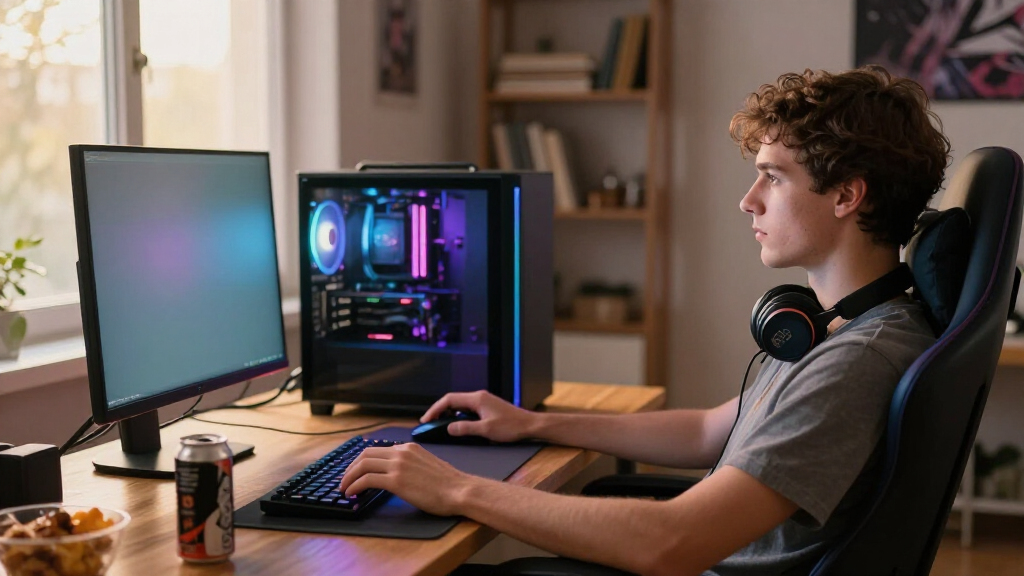
I evaluated each system through the lens that matters most at this price: GPU-CPU balance. A high-end prebuilt lives or dies on whether the graphics card and processor are matched for the target resolution and refresh rate, so I flagged builds where one component was over- or under-specced relative to the rest. From there, I weighed thermal design and case quality, since cramped OEM chassis throttle performance no matter how good the specs read on paper, and upgradability, because a good high-end tower should accept a next-gen GPU without a full rebuild.
Storage capacity, RAM headroom, warranty coverage, and bloatware practices were the secondary filters that separated otherwise similar builds. Ranking followed a simple logic: balanced RTX 5080 systems with 2TB of storage and proven airflow sit at the top, RTX 5070 Ti systems with strong CPU pairings fill the upper middle, RTX 5070 builds define the value tier, and any system with a mismatched GPU — regardless of its other specs — was ranked by what it can actually deliver in games today.
| high-end gaming PC | Operating System |
|---|---|
| Skytech Gaming PC Desktop | — |
| Alienware Aurora Gaming Deskto | Windows 11 Home |
| CLX Set Gaming PC with AMD Ryz | Windows 11 Home |
| MSI Codex Z2 Gaming Desktop wi | Windows 11 Home |
| Horizon Autherium Dragon RGB i | Windows 11 Pro |
| MSI Infinite RS AI 2NVZ9-1290U | — |
| Skytech Gaming King 95 Gaming | Windows 11 Home 64-bit |
| Skytech Gaming O11 Vision Gami | Windows 11 Home |
| Alienware Aurora Gaming Deskto | — |
| MSI Aegis R2 AI Gaming Desktop | Windows 11 Home |
| Thermaltake Reactor 9880 Gamin | Windows 11 |
| Skytech Azure Gaming PC Deskto | Windows 11 Home 64-bit |
| ASUS ROG Strix G700 Gaming Des | Windows 11 Pro |
Factors to Consider When Choosing Best High-end Gaming PCs
A high-end prebuilt is a multi-year investment, and the mistakes buyers make at this tier are almost always about mismatched priorities rather than insufficient budget. These are the factors I would weigh before committing to any of the thirteen systems above.GPU First, Everything Else Second
At the high-end tier, the graphics card dictates your entire experience — resolution ceiling, ray tracing feasibility, and how many years the build stays relevant. A common mistake is paying for a premium CPU or enormous RAM allocation while the GPU lags a generation behind, which is exactly the trap the ROG Strix G700 falls into. Before comparing anything else, decide your target: RTX 5070 for high-refresh 1440p, RTX 5070 Ti for 1440p with ray tracing or entry 4K, and RTX 5080 for comfortable 4K. Once that decision is made, most of the field narrows itself. Never let an impressive spec sheet elsewhere in the build distract from a GPU that doesn’t match your monitor.
X3D CPUs and the Refresh-Rate Question
AMD’s X3D chips dominate gaming benchmarks because their 3D V-Cache rewards the latency-sensitive workloads games create, and this lineup offers both the 9800X3D and 9850X3D. The honest difference between them for a pure gamer is small — a few percent in most titles — so paying more for the 9850X3D only makes sense if you also stream, compile code, or run heavy multitasking alongside games. Buyers pairing an RTX 5070 or 5070 Ti with a standard Ryzen 7 or Core Ultra 7 are not losing much, but at 240Hz and above the X3D advantage becomes measurable. The mistake to avoid is assuming the biggest CPU number wins; gaming performance and productivity performance diverge sharply in this generation.
Case Airflow and Noise
Prebuilt chassis vary more than any other component, and a poorly ventilated case can shave real performance off an RTX 5080 through thermal throttling while also making the machine audibly loud under load. Boutique builds like the Skytech O11 Vision and Thermaltake Reactor use glass dual-chamber or mesh designs with generous intake, while compact OEM towers from Dell and some MSI lines prioritize footprint over airflow. Check fan configuration, front-panel intake, and whether the GPU gets fresh air or recirculated exhaust. If the PC will sit on or near a desk rather than under it, noise characteristics deserve equal weight to raw specs — a difference of several decibels under load is the difference between noticeable and ignorable.
Storage: 1TB Is Already Tight
Modern AAA installations routinely exceed 100GB, and a 1TB drive fills after roughly eight to ten large games plus the operating system. Several builds in this field ship 1TB, which is workable but means managing space within the first year. I treat 2TB as the sensible default at this price tier, and it’s a genuine differentiator between otherwise equal RTX 5080 builds — the Skytech and Thermaltake options include it where cheaper configurations don’t. Before buying, confirm the case has a free NVMe slot or drive bay so expansion doesn’t require replacing the original drive. Storage is the cheapest thing to add later, but only if the chassis and motherboard allow it.
Upgradability and the Long Game
The best reason to buy a tower rather than a console or laptop is the ability to swap parts, but proprietary OEM designs can undermine this. Some Alienware Aurora and compact MSI configurations use shaped cases, custom power supplies, or limited GPU clearance that constrain future upgrades, while boutique ATX builds accept standard components freely. Ask three questions: does the power supply have wattage headroom for a next-gen GPU, is the case long enough for a triple-fan card, and is the motherboard socket or chipset still current? A system that can absorb one GPU and one storage upgrade effectively doubles its useful lifespan. This factor alone can justify choosing an equivalently specced boutique build over a slicker-looking OEM machine.
Aesthetics, Software, and Bloatware
Once performance tiers are sorted, secondary factors decide the tie — and they matter more than buyers expect. White and glass showcase builds like the Skytech King 95 and O11 Vision cost nothing in performance and satisfy an aesthetic some setups demand, whereas a plain black tower in a closed cabinet makes RGB a wasted expense. Software matters too: some OEMs preload utilities and trial software that clutter a fresh Windows install, while boutique builders tend to ship clean systems. Also check warranty terms on individual components versus whole-system coverage, since boutique builds often carry longer part warranties. These details won’t change your frame rates, but they shape every day you own the machine.
Frequently Asked Questions
Is the RTX 5080 worth the extra cost over the RTX 5070 Ti for high-end gaming?
If your monitor is a 4K display or you plan to buy one, the RTX 5080 justifies itself — it holds max settings at 4K with ray tracing where the 5070 Ti often needs DLSS assistance to stay smooth. At 1440p high refresh, the gap narrows considerably, and a 5070 Ti paired with a 9800X3D or 9850X3D delivers an experience most gamers would struggle to distinguish. The honest framing is resolution-based: 4K buyers should stretch to the 5080 builds like the Skytech or Thermaltake Reactor, while 1440p buyers get better value from the King 95 or O11 Vision. Paying for GPU headroom you cannot see on your monitor is the most common overspend in this category.
Should I choose the 9800X3D or the 9850X3D in a gaming prebuilt?
For pure gaming, the 9800X3D is the smarter buy — its extra cache delivers the bulk of AMD’s gaming advantage, and in most titles it trades blows with or beats the 9850X3D while costing less. The 9850X3D pulls ahead when the PC does double duty: streaming while gaming, video editing, heavy browser multitasking, or running productivity software alongside games. Builds like the Skytech RTX 5080 pairing with the 9850X3D make sense for creator-gamers, while the CLX Set and Thermaltake Reactor with the 9800X3D are the better pure-gaming allocation. Spending the difference on more storage or a better monitor usually delivers a more noticeable improvement than the CPU upgrade itself.
Are prebuilt high-end gaming PCs worse than building my own?
The performance gap between prebuilts and custom builds has narrowed to nearly nothing at reputable boutiques — companies like Skytech, CLX, and Thermaltake use standard off-the-shelf parts in standard cases, so you lose little besides the satisfaction of assembly. The real differences are price markup, which typically runs modest at this tier, and component choice, where prebuilt vendors occasionally pair a great GPU with mediocre storage or a basic motherboard. Where DIY still wins is fine-grained control and part-by-part warranties; where prebuilts win is a single warranty, a working machine on day one, and no troubleshooting when a part arrives dead. If you’ve never built before, the premium is reasonable insurance. If you have built before, check the specific parts list of any prebuilt against what you’d choose yourself before deciding.
Is 32GB of RAM enough for a high-end gaming PC in 2026?
For gaming alone, 32GB is comfortably sufficient and will remain so for several years — current titles rarely exceed 16GB of system memory even at max settings. It only becomes limiting if you stream, edit video, run virtual machines, or keep dozens of browser tabs open during sessions, in which case 64GB is the worthwhile step up. Be skeptical of builds advertising extreme RAM counts: the ROG Strix G700’s 192GB has zero gaming benefit and represents budget that should have gone to the graphics card. What matters more than capacity at this tier is speed and dual-channel configuration, which every 32GB build here handles correctly. Treat RAM as a solved problem unless you have a specific non-gaming workload.
Which of these PCs is the best choice for a first-time high-end buyer?
First-time buyers should prioritize a balanced, well-supported build over maximum specs, and that points to something like the Skytech King 95 or O11 Vision rather than the RTX 5080 flagships. Both pair a modern X3D-class CPU with an RTX 5070 Ti, ship with 32GB of RAM, and use standard ATX components, so future upgrades are simple bolt-ins rather than surgery. The Alienware Aurora RTX 5070 configuration is also beginner-friendly in terms of polished out-of-box setup, though its chassis is less upgrade-friendly long term. The mistake beginners make is buying the most expensive system available and never using its headroom — a 5070 Ti build at 1440p will feel just as fast in practice. Start with the GPU that matches your actual monitor, then upgrade components as your needs grow.
Conclusion
After comparing all thirteen systems, the recommendations break cleanly along buyer type. For the best overall, the Skytech Gaming PC Desktop with the Ryzen 7 9850X3D and RTX 5080 takes it — a balanced 4K-ready flagship with 2TB of storage and the most versatile CPU in the lineup. The CLX Set and Thermaltake Reactor 9880 are right behind it and slightly better for pure gaming, thanks to the 9800X3D pairing. For best value, the Skytech King 95 delivers 9800X3D-plus-RTX 5070 Ti performance with showcase looks, while the MSI Codex Z2 is the budget entry point for high-refresh 1440p.
For best premium display build, the Skytech O11 Vision turns the PC itself into part of the setup. For beginners, the Alienware Aurora with RTX 5070 offers the smoothest out-of-box experience, accepting a less upgrade-friendly chassis in exchange. And for streamers and creator-gamers, the 9850X3D-based builds — Skytech’s flagship or the Azure with its Radeon RX 9070 XT — make the most sense. The one system I’d steer everyone away from regardless of budget is the ASUS ROG Strix G700, whose dated GPU undermines its otherwise extreme specifications. Match the GPU to your monitor, the CPU to your workload, and the right pick from this list becomes obvious.
Fall Picks
fall essentials
As an affiliate, we earn on qualifying purchases.