The Apple iPad 11-inch (A16) takes the top spot as the best gaming tablet in this lineup, thanks to a chip that outclasses every Android option here and access to Apple Arcade and console-quality titles. For budget-focused mobile gamers, the Amazon Fire HD 10 and Samsung Galaxy Tab A11+ offer surprisingly capable casual gaming at a fraction of the price, while big-screen enthusiasts should look at the TECLAST T65 with its 120Hz display, which delivers smoother motion than anything else in this roundup. The main tradeoff you’ll face is raw processing power versus screen specs: several budget Android tablets advertise high refresh rates and lots of RAM but pair them with weak processors that bottleneck demanding games. Another tension is ecosystem — the iPad plays the widest range of premium games, while Android tablets offer expandable storage and bundled accessories. Keep reading for the full breakdown of what each model does well and who should skip it.

Get the latest gadgets delivered free — and shop member deals
- Fast, free delivery on millions of items
- Access to Prime Big Deal Days deals on October 6–7
- Prime Video, Amazon Music and more included
Complete the kit


Key Takeaways
- Chip performance separated the winners more than any other spec — the iPad’s A16 handles AAA mobile titles that budget octa-core Android chips struggle with, no matter how much RAM they advertise.
- Advertised RAM numbers on budget Android tablets (24GB–36GB) are often inflated through memory swapping and don’t translate to better gaming; sustained performance and thermal management matter far more.
- The 120Hz displays on the TECLAST T65 and TECLAST 13.4-inch models give them a visible smoothness advantage for fast-paced games, but only if the processor can actually push high frame rates.
- Keyboard, stylus, and case bundles on the amazon.com/dp/B0FDWT3MXK?tag=techwreckreport-20&ascsubtag=dc-1090419″ target=”_blank” rel=”nofollow sponsored noopener”>TABWEE and BESTTAB models add versatility for productivity but add nothing for gaming — don’t pay extra for accessories you won’t use in-game.
- The Amazon Fire HD 10 is the weakest raw performer here, but its access to casual cloud-gaming apps makes it a legitimate pick for light gamers on a tight budget.
| Apple iPad 11-inch (A16), 128GB, Wi-Fi, Silver |  | Best Overall | Display: 11-inch Liquid Retina with True Tone | Processor: Apple A16 chip | Storage: 128GB | VIEW LATEST PRICE | See Our Full Breakdown |
| URAO X7L 11-Inch Android 16 Tablet, 36GB RAM, 128GB Storage |  | Best Budget Work-and-Play Pick | Display: 11-inch, 1280 × 800 IPS | Operating system: Android 16 | Processor: 1.8 GHz octa-core | VIEW LATEST PRICE | See Our Full Breakdown |
| TABWEE T90 11-Inch Android 16 Tablet with Keyboard, Mouse, and Stylus | 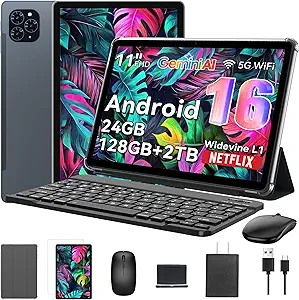 | Best Accessory Bundle | Display: 11-inch FHD IPS, 1920 × 1200 | Operating system: Android 16 | Processor: Unisoc T615 octa-core | VIEW LATEST PRICE | See Our Full Breakdown |
| Amazon Fire HD 10 Tablet, 10.1-Inch Full HD, 4 GB RAM, 32 GB, Black | 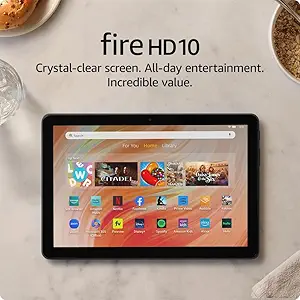 | Best for Casual and Family Gaming | Display: 10.1-inch 1080p Full HD | Processor: Octa-core | RAM: 4 GB | VIEW LATEST PRICE | See Our Full Breakdown |
| TECLAST T65 13.4″ Android 16 Tablet, 20GB RAM, 128GB Storage, 120Hz Display |  | Best Big-Screen Gaming | Display: 13.4-inch, 1920 × 1200 IPS, 120Hz | Operating system: Android 16 | Processor: Octa-core, 2.2GHz | VIEW LATEST PRICE | See Our Full Breakdown |
| TECLAST 13.4 inch Tablet Android 16, 20GB RAM, 128GB Storage, 120Hz Display, 4G LTE |  | Best Big-Screen Casual Gaming | Display: 13.4-inch 1920×1200 IPS, 120Hz, TDDI | Operating System: Android 16 (GMS, Google Play) | Processor: Octa-core (A75-based) up to 2.2GHz | VIEW LATEST PRICE | See Our Full Breakdown |
| Samsung Galaxy Tab A11+ Tablet, 8GB RAM, 256GB Storage, AI Assist, Slim & Light, Gray |  | Best Brand-Name Budget Pick | Display: 11 inches, up to 90Hz | RAM: 8GB | Storage: 256GB, expandable via microSD (sold separately) | VIEW LATEST PRICE | See Our Full Breakdown |
| TABWEE T60 12.2-Inch Android 16 Tablet with Keyboard Bundle | 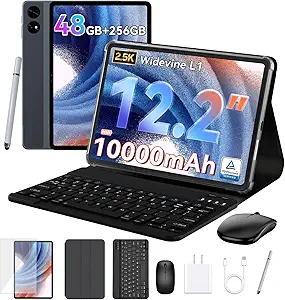 | Best Gaming-and-Workstation Hybrid | Display: 12.2-inch 2.5K CSOT LCD, 99% sRGB | Operating System: Android 16 | Memory: 12GB physical RAM + 36GB virtual RAM | VIEW LATEST PRICE | See Our Full Breakdown |
| WXUNJA C5 11 Inch Android 16 Tablet, Octa-Core, 28GB RAM, 128GB Storage, 1TB Expandable, Blue |  | Best Battery Life on a Budget | Display: 11 inches, 1280×800 | Processor: Unisoc T606 Octa-Core | RAM: 28GB (4GB + 24GB expansion) | VIEW LATEST PRICE | See Our Full Breakdown |
| COTGOD Android 16 Tablet with Gemini AI, 11 Inch, Octa Core, 32GB RAM 128GB ROM (2TB Expandable), 16MP+8MP Camera, 1920×1200 IPS HD Display, Widevine L1, 8000mAh Battery, GPS, Face ID, WiFi 6 |  | Best Sharper-Screen Budget Option | Display: 11-inch 1920×1200 IPS, fully-in-cell, anti-blue light | Operating System: Android 16 | RAM: 32GB (8GB + 24GB virtual) | VIEW LATEST PRICE | See Our Full Breakdown |
| URAO 14 inch Android 16 Tablet, 30GB RAM 256GB ROM, 1920×1200 IPS FHD, with Keyboard, Stylus, Case & Headphone |  | Best 2-in-1 Bundle Value | Display: 14 inch, 1920×1200 IPS FHD | Processor: 2.0 GHz octa-core | RAM: 30GB (6+24GB) | VIEW LATEST PRICE | See Our Full Breakdown |
| Apple iPad 11-inch (A16 Chip, 128GB, Wi-Fi 6) — Yellow |  | Best Premium Performance | Display: 11-inch Liquid Retina with True Tone | Chip: Apple A16 | Storage: 128GB (up to 512GB) | VIEW LATEST PRICE | See Our Full Breakdown |
| Samsung Galaxy Tab A11+ 11″ Android Tablet, 6GB RAM, 128GB Storage, Expandable, Gray |  | Best Budget Family Tablet | Display: 11 inches, up to 90Hz refresh rate | RAM: 6GB | Storage: 128GB, expandable | VIEW LATEST PRICE | See Our Full Breakdown |
| BESTTAB T60 12.2-Inch Android 16 Tablet with Keyboard, Mouse, and Stylus |  | Best Display in a Bundle | Display: 12.2-inch, 2400×1600, 90Hz | Processor: Unisoc T7280 octa-core, up to 2.2GHz | Memory: 12GB physical + 36GB virtual | VIEW LATEST PRICE | See Our Full Breakdown |
| gaming tablet | Display | Storage | Processor | RAM |
|---|---|---|---|---|
| Apple iPad 11-inch | 11-inch Liquid Retina with True Tone | 128GB | Apple A16 chip | — |
| URAO X7L 11-Inch Android 16 Ta | 11-inch, 1280 × 800 IPS | 128GB, expandable up to 1TB via TF card | 1.8 GHz octa-core | 6GB physical + 30GB virtual (36GB listed) |
| TABWEE T90 11-Inch Android 16 | 11-inch FHD IPS, 1920 × 1200 | 128GB, expandable up to 2TB via TF card | Unisoc T615 octa-core | — |
| Amazon Fire HD 10 Tablet | 10.1-inch 1080p Full HD | 32 GB, expandable up to 1 TB via microSD | Octa-core | 4 GB |
| TECLAST T65 13.4" Android 16 T | 13.4-inch, 1920 × 1200 IPS, 120Hz | 128GB, expandable to 1TB | Octa-core, 2.2GHz | 20GB |
| TECLAST 13.4 inch Tablet Andro | 13.4-inch 1920×1200 IPS, 120Hz, TDDI | 128GB, expandable up to 1TB | Octa-core (A75-based) up to 2.2GHz | 20GB (6GB physical + virtual RAM) |
| Samsung Galaxy Tab A11+ Tablet | 11 inches, up to 90Hz | 256GB, expandable via microSD (sold separately) | — | 8GB |
| TABWEE T60 12.2-Inch Android 1 | 12.2-inch 2.5K CSOT LCD, 99% sRGB | 256GB UFS, expandable up to 1TB | — | — |
| WXUNJA C5 11 Inch Android 16 T | 11 inches, 1280×800 | 128GB, expandable up to 1TB via SD card | Unisoc T606 Octa-Core | 28GB (4GB + 24GB expansion) |
| COTGOD Android 16 Tablet with | 11-inch 1920×1200 IPS, fully-in-cell, anti-blue light | 128GB, expandable up to 2TB via TF card | — | 32GB (8GB + 24GB virtual) |
| URAO 14 inch Android 16 Tablet | 14 inch, 1920×1200 IPS FHD | 256GB, expandable to 1TB via TF card | 2.0 GHz octa-core | 30GB (6+24GB) |
| Apple iPad 11-inch | 11-inch Liquid Retina with True Tone | 128GB (up to 512GB) | — | — |
| Samsung Galaxy Tab A11+ 11" An | 11 inches, up to 90Hz refresh rate | 128GB, expandable | — | 6GB |
| BESTTAB T60 12.2-Inch Android | 12.2-inch, 2400×1600, 90Hz | 256GB, expandable to 2TB via MicroSD | Unisoc T7280 octa-core, up to 2.2GHz | — |
More Details on Our Top Picks
Apple iPad 11-inch (A16), 128GB, Wi-Fi, Silver
This iPad earns the top spot because it is the only tablet in this lineup built on a flagship-class chip. The A16 handles Apple Arcade titles, cloud gaming streams, and emulation front-ends without the stutter that budget octa-core chips like the Unisoc T615 in the TABWEE T90 will show under load. The Liquid Retina display with True Tone also delivers cleaner motion and color than the 1280 × 800 panel on the URAO X7L, which matters for fast-paced games where visual clarity affects reaction time. The tradeoff is cost and closed ecosystem: the Apple Pencil and keyboard cost extra, 128GB fills up fast with large game downloads, and there is no expandable storage, unlike every Android option here.
Pros:- A16 chip delivers smooth performance in demanding 3D games
- Bright 11-inch Liquid Retina display with True Tone
- All-day battery life for extended gaming sessions
- Long-term iPadOS updates keep games compatible for years
Cons:- Apple Pencil and Magic Keyboard Folio sold separately
- 128GB storage is not expandable and fills quickly with large games
Best for: Players who want console-quality mobile gaming, Apple Arcade, and long-term software support without performance compromises
Not ideal for: Budget-conscious buyers or those wanting expandable storage — there is no card slot and accessories add real cost
- Display:11-inch Liquid Retina with True Tone
- Processor:Apple A16 chip
- Storage:128GB
- Connectivity:Wi-Fi 6
- Cameras:12MP front with Center Stage, 12MP Wide rear with 4K video
- Security:Touch ID
- Battery life:All-day
Our verdict“Buy this if you want the most capable gaming experience in the roundup and can accept Apple’s locked-down, add-on-accessory pricing.”
URAO X7L 11-Inch Android 16 Tablet, 36GB RAM, 128GB Storage
The URAO X7L positions itself as a budget all-rounder rather than a pure gaming machine, and that framing is honest. Its headline 36GB of RAM is really 6GB physical plus 30GB of virtual memory, so lighter titles from Google Play will run fine while demanding 3D games expose the gap. The 1280 × 800 display is the weakest screen in this batch — the TABWEE T90 offers full 1920 × 1200 resolution at a similar budget tier — which makes fast games look softer. What it does offer is 1TB of expandable storage for a large offline game library, plus modern Wi-Fi 6 and Bluetooth 5.4. Note the 8-hour battery rating falls short of the Fire HD 10’s 13 hours.
Pros:- Android 16 with a modern, clean software base
- Expandable storage up to 1TB via TF card
- Wi-Fi 6 and Bluetooth 5.4 for stable connections
- Works with optional keyboard, mouse, and stylus accessories
Cons:- 1280 × 800 display is noticeably less sharp than FHD rivals
- Only 6GB of the advertised RAM is physical; the rest is virtual
- Battery rated at just 8 hours of mixed use
Best for: Students and casual gamers who want a cheap tablet for light games, browsing, and note-taking with room to store lots of apps
Not ideal for: Serious gamers — the low-resolution display and modest real RAM will hold back graphically demanding titles
- Display:11-inch, 1280 × 800 IPS
- Operating system:Android 16
- Processor:1.8 GHz octa-core
- RAM:6GB physical + 30GB virtual (36GB listed)
- Storage:128GB, expandable up to 1TB via TF card
- Battery:7800mAh, up to 8 hours mixed use
- Connectivity:Wi-Fi 6, Bluetooth 5.4, USB Type-C
- Warranty:2 years
Our verdict“A sensible budget pick for light gaming and study, as long as you accept the low-res screen as the price of admission.”
TABWEE T90 11-Inch Android 16 Tablet with Keyboard, Mouse, and Stylus
Where the iPad charges extra for every accessory, the TABWEE T90 throws in a keyboard, mouse, and stylus out of the box — a genuine value play if you split time between gaming and schoolwork. Its 1920 × 1200 FHD display is a clear step up from the URAO X7L’s 720p-class panel, and Widevine L1 means HD streaming between gaming sessions actually works. The Unisoc T615 is fine for casual and mid-tier Android games but will not keep pace with the A16 iPad in demanding titles. Be realistic about the RAM: only 8GB is physical, with 16GB of virtual memory inflating the 24GB headline figure. The 8000mAh battery rated for 11 hours of video is respectable for this price tier.
Pros:- Keyboard, mouse, and stylus included at no extra cost
- FHD 1920 × 1200 display with Widevine L1 for HD streaming
- Storage expandable up to 2TB — the largest ceiling in this batch
- 8000mAh battery rated for up to 11 hours of video playback
Cons:- Only 8GB of physical RAM; virtual memory does not match real RAM for gaming
- Unisoc T615 limits performance in demanding games
- Older Bluetooth 5.0 versus 5.4 on the URAO X7L
Best for: Students and families who want a complete tablet kit for mixed gaming, streaming, and homework without buying accessories separately
Not ideal for: Performance-focused gamers — the T615 chip will struggle with the heaviest 3D titles at high settings
- Display:11-inch FHD IPS, 1920 × 1200
- Operating system:Android 16
- Processor:Unisoc T615 octa-core
- Memory:8GB built-in + 16GB virtual (24GB listed)
- Storage:128GB, expandable up to 2TB via TF card
- Battery:8000mAh, up to 11 hours video playback
- Included accessories:Keyboard, mouse, stylus
- Warranty:2 years
Our verdict“The smart pick if you want everything in the box for gaming plus productivity, provided you keep expectations modest for heavy 3D titles.”
Amazon Fire HD 10 Tablet, 10.1-Inch Full HD, 4 GB RAM, 32 GB, Black
The Fire HD 10 is the least gamer-shaped tablet here, and that is exactly its strength for the right buyer. Its app catalog skews toward casual titles via the Amazon Appstore rather than full Google Play, which rules out many Android games but creates a safe, controlled space for kids. Compared with the TABWEE T90, it gives up stylus and keyboard bundling, but its 13-hour battery beats every other tablet in this batch — ideal for long trips. The 1080p display holds its own against the TECLAST T65’s panel in sharpness at typical viewing distances. The 32GB of base storage is the real bottleneck, and the microSD card needed to fix it is sold separately.
Pros:- Up to 13-hour battery life, the longest in this lineup
- 1080p Full HD display for shows and casual games
- Lightweight, durable build with strengthened glass
- Robust parental controls for younger players
Cons:- Only 32GB base storage, and the microSD expansion card costs extra
- Amazon Appstore catalog excludes many mainstream Android games
- 4GB of RAM limits heavier games and multitasking
Best for: Families and casual players who want a durable, inexpensive tablet for light games, streaming, and reading with strong parental controls
Not ideal for: Enthusiast gamers — the Amazon Appstore lacks many Android titles and 4GB of RAM limits multitasking
- Display:10.1-inch 1080p Full HD
- Processor:Octa-core
- RAM:4 GB
- Storage:32 GB, expandable up to 1 TB via microSD
- Battery life:Up to 13 hours
- Front camera:5 MP
Our verdict“Choose this for kids and casual sessions where battery life and parental controls matter more than raw game performance.”
TECLAST T65 13.4″ Android 16 Tablet, 20GB RAM, 128GB Storage, 120Hz Display
If screen real estate is your priority, the T65 makes a strong case: a 13.4-inch 120Hz display is something none of the 11-inch options here can match, and high refresh rate scrolling and lighter games feel visibly smoother than on the 60Hz iPad A16 or TABWEE T90. At 720g and 8.5mm thick, it is surprisingly manageable for the size, though still far from pocketable. The 4G LTE and GPS connectivity is unique in this batch, enabling gaming away from Wi-Fi. The honest weakness is the chip: a budget 2.2GHz octa-core processor cannot exploit 120Hz in demanding 3D games, so treat this as a big screen for streaming, cloud gaming, and casual titles rather than a native gaming powerhouse. Widevine L1 keeps Netflix and YouTube sharp between sessions.
Pros:- Large 13.4-inch 120Hz display for immersive and cloud gaming
- 20GB RAM and 128GB storage expandable to 1TB
- 4G LTE and GPS for connectivity away from Wi-Fi
- Slim 8.5mm, 720g body with pre-applied tempered glass protector
Cons:- Budget octa-core chip struggles with demanding native games
- Large size reduces portability versus 11-inch rivals
- 8000mAh battery drains faster driving a big 120Hz panel
Best for: Streamers and cloud-gaming fans who want a huge, smooth 120Hz screen with cellular data for gaming anywhere
Not ideal for: Players focused on demanding native 3D games — the budget chip will bottleneck performance despite the high refresh rate
- Display:13.4-inch, 1920 × 1200 IPS, 120Hz
- Operating system:Android 16
- Processor:Octa-core, 2.2GHz
- RAM:20GB
- Storage:128GB, expandable to 1TB
- Battery:8000mAh
- Connectivity:4G LTE, dual-band WiFi, GPS, OTG
- Weight:720g, 8.5mm thick
- Warranty:1 year
Our verdict“The pick for cloud and casual gaming on a big, smooth screen with LTE freedom — just do not expect flagship native performance.”
TECLAST 13.4 inch Tablet Android 16, 20GB RAM, 128GB Storage, 120Hz Display, 4G LTE
Among the budget Android options in this lineup, this TECLAST stands out for having the largest display and the highest refresh rate — a 13.4-inch 120Hz panel that makes casual games feel noticeably smoother than the 90Hz Samsung Galaxy Tab A11+ or the fixed-rate WXUNJA C5. That combination is what earns it a spot: for simulation, card, and mid-tier mobile games, screen real estate and motion smoothness matter more than raw chip speed. The tradeoff is under the hood. With only 6GB of physical RAM and an A75-based processor, demanding titles will strain it in ways the marketing glosses over. Still, the 4G LTE connectivity and 720g slim chassis make it a strong pick for gaming on the go where Wi-Fi is unreliable.
Pros:- Largest display in this batch at 13.4 inches with a genuinely smooth 120Hz refresh rate
- 4G LTE plus GPS keeps you connected and gaming outside Wi-Fi range
- Storage expands up to 1TB for large game libraries
- Slim 8.5mm, 720g build is unusually portable for the screen size
Cons:- Only 6GB of physical RAM — the 20GB figure relies on slower virtual memory
- A75-based octa-core processor is modest for demanding gaming despite the spec sheet
Best for: Casual and mid-tier mobile gamers who want a big, smooth 120Hz screen for travel and LTE connectivity away from Wi-Fi
Not ideal for: Players of graphically demanding titles like Genshin Impact or Call of Duty Mobile at high settings — the modest processor and 6GB of physical RAM will bottleneck performance
- Display:13.4-inch 1920×1200 IPS, 120Hz, TDDI
- Operating System:Android 16 (GMS, Google Play)
- Processor:Octa-core (A75-based) up to 2.2GHz
- RAM:20GB (6GB physical + virtual RAM)
- Storage:128GB, expandable up to 1TB
- Connectivity:4G LTE, dual-band Wi-Fi, OTG, GPS
- Weight:720g (8.5mm thick)
- Streaming:Widevine L1
Our verdict“A great fit for casual gamers who prioritize a big, fluid display and cellular connectivity over raw processing muscle.”
Samsung Galaxy Tab A11+ Tablet, 8GB RAM, 256GB Storage, AI Assist, Slim & Light, Gray
If brand trust and software support matter to you, the Galaxy Tab A11+ is the safest mid-list choice here. Compared with the TECLAST 13.4-inch, you give up screen size and the 120Hz refresh rate, but you gain real, physical 8GB of RAM — no inflated virtual-memory math — plus Samsung’s track record for updates and a polished family-friendly interface. The quad speakers with Dolby Atmos are a genuine differentiator for gaming without headphones, something none of the lesser-known rivals in this roundup match. The 90Hz panel keeps motion respectable for competitive-lite games. The catches are annoying rather than fatal: the 25W fast charger and microSD card are both sold separately, so the true cost creeps up unless you already own them.
Pros:- Full 8GB of physical RAM with no virtual-memory inflation
- Quad speakers with Dolby Atmos — the best audio story in this batch
- 256GB of storage out of the box, expandable further
- Long battery life with fast-charging support and established software support
Cons:- 25W fast charger sold separately
- microSD expansion card sold separately
- 90Hz refresh rate trails the 120Hz competition
Best for: Buyers who want a dependable, well-supported Android gaming tablet from a major brand for family use and everyday play
Not ideal for: Hardcore gamers wanting the smoothest motion or biggest screen — the 90Hz rate and 11-inch panel trail the TECLAST, and the chip is tuned for efficiency, not peak performance
- Display:11 inches, up to 90Hz
- RAM:8GB
- Storage:256GB, expandable via microSD (sold separately)
- Audio:Quad speakers with Dolby Atmos
- Fast Charging:Supported (25W charger sold separately)
- Color:Gray
Our verdict“The pick for buyers who value long-term reliability and great speakers over headline specs from unfamiliar brands.”
TABWEE T60 12.2-Inch Android 16 Tablet with Keyboard Bundle
The TABWEE T60 plays a different game than the pure gaming tablets here: it’s the most complete package, bundling a magnetic keyboard, mouse, stylus, and case so the tablet doubles as a laptop substitute. Its 12GB of physical RAM is the highest real-memory count in this batch — double the TECLAST 13.4-inch — which means better multitasking and more consistent frame pacing when a game runs alongside Discord or a browser. The 2.5K display with 99% sRGB coverage is also the sharpest panel among these five, making graphics pop. Be skeptical of the 48GB headline figure, since 36GB of it is slower virtual memory, and the listing’s storage-expansion claims conflict between 1TB and 2TB. For gaming-plus-productivity buyers, though, that bundle is hard to beat.
Pros:- Highest physical RAM in this batch at 12GB for real multitasking headroom
- Sharpest display here: 12.2-inch 2.5K panel with 99% sRGB
- Keyboard, mouse, stylus, and case all included
- 10,000mAh battery plus a four-year warranty
Cons:- Advertised 48GB memory includes 36GB of slower virtual RAM
- Storage expansion listed inconsistently (1TB in specs, 2TB in title)
- No high refresh rate for fast-motion gaming
Best for: Students and hybrid users who want one device for both serious gaming sessions and keyboard-based productivity work
Not ideal for: Buyers who only want a pure gaming tablet — you’re paying for accessories you may never use, and the fixed refresh rate won’t match the TECLAST’s 120Hz for motion smoothness
- Display:12.2-inch 2.5K CSOT LCD, 99% sRGB
- Operating System:Android 16
- Memory:12GB physical RAM + 36GB virtual RAM
- Storage:256GB UFS, expandable up to 1TB
- Battery:10,000mAh
- Included Accessories:Magnetic keyboard, mouse, stylus pen, protective case
- Warranty:4 years
Our verdict“The smartest choice if you want a gaming tablet that earns its keep as a work machine the rest of the day.”
WXUNJA C5 11 Inch Android 16 Tablet, Octa-Core, 28GB RAM, 128GB Storage, 1TB Expandable, Blue
The WXUNJA C5 earns its place as the endurance pick, pairing an 8000mAh battery rated for 8-10 hours of playback with 18W fast charging — enough for a full day of gaming sessions away from an outlet. Compared with the COTGOD below, the Unisoc T606 here is a known quantity: modest but dependable for everyday games and streaming, which suits the budget positioning. Widevine L1 certification means Netflix and YouTube in genuine HD, a real win at this price. The honest weak point is the display: 1280×800 on an 11-inch panel looks visibly softer than the COTGOD’s 1920×1200 screen, and with only 4GB of physical RAM, the 28GB claim is mostly virtual-memory marketing. Treat this as a marathon streaming-and-casual-gaming device, not a performance machine.
Pros:- 8-10 hours of real battery life with PD 18W fast charging
- Widevine L1 enables true HD streaming on Netflix and YouTube
- Storage expands up to 1TB for large game and media libraries
- Clean Android 16 experience with a one-year repair-and-replacement warranty
Cons:- 1280×800 resolution is low for an 11-inch display and shows in fine detail
- Only 4GB of physical RAM — 24GB of the advertised total is slower expansion memory
Best for: Commuters, travelers, and students who need all-day battery for casual gaming and HD streaming on a tight budget
Not ideal for: Visual purists and performance gamers — the low-resolution panel and 4GB of physical RAM fall short of the COTGOD or TABWEE T60 for sharpness and speed
- Display:11 inches, 1280×800
- Processor:Unisoc T606 Octa-Core
- RAM:28GB (4GB + 24GB expansion)
- Storage:128GB, expandable up to 1TB via SD card
- Battery:8000mAh, 8-10 hours playback, PD 18W fast charging
- Streaming:Widevine L1
- Warranty:1 year repair and replacement
Our verdict“Buy it for battery endurance and HD streaming on a budget; skip it if display sharpness or raw speed is your priority.”
COTGOD Android 16 Tablet with Gemini AI, 11 Inch, Octa Core, 32GB RAM 128GB ROM (2TB Expandable), 16MP+8MP Camera, 1920×1200 IPS HD Display, Widevine L1, 8000mAh Battery, GPS, Face ID, WiFi 6
The COTGOD slots in as the best-balanced budget display: a 1920×1200 fully-in-cell IPS panel that resolves far more detail than the WXUNJA C5’s 1280×800 screen, with anti-blue-light filtering and auto brightness that make long gaming sessions easier on the eyes. With 8GB of physical RAM it also doubles the WXUNJA’s real memory, so games hold up better under multitasking even if the 32GB headline is padded with 24GB of virtual RAM. The 2TB expansion ceiling is the largest in this batch, and WiFi 6 plus GPS round out a solid connectivity story. The main hesitation is the brand itself: as a lesser-known manufacturer, long-term firmware support and reliability are less certain than with the Samsung Galaxy Tab A11+, which is why it sits mid-pack rather than higher.
Pros:- 1920×1200 fully-in-cell display with anti-blue light and automatic brightness
- 8GB of physical RAM — the most honest memory count among budget rivals here
- Expansion up to 2TB, the largest ceiling in this batch
- WiFi 6, GPS, Face ID, and Widevine L1 for modern connectivity and HD streaming
Cons:- 32GB RAM figure includes 24GB of slower virtual memory
- Lesser-known brand raises concerns about firmware updates and long-term reliability
Best for: Budget-conscious gamers and streamers who want a sharp Full HD display and eye-comfort features for long sessions
Not ideal for: Buyers who prioritize long-term software support and proven reliability — a Samsung or Apple option in this roundup is the safer bet
- Display:11-inch 1920×1200 IPS, fully-in-cell, anti-blue light
- Operating System:Android 16
- RAM:32GB (8GB + 24GB virtual)
- Storage:128GB, expandable up to 2TB via TF card
- Battery:8000mAh
- Connectivity:Dual-band WiFi 6, GPS
- Cameras:16MP rear, 8MP front
- Warranty:2 years
Our verdict“A strong value pick for sharp visuals and comfortable long sessions, provided you accept the support risks of an unfamiliar brand.”
URAO 14 inch Android 16 Tablet, 30GB RAM 256GB ROM, 1920×1200 IPS FHD, with Keyboard, Stylus, Case & Headphone
The URAO G140L stands out for sheer bundle generosity — keyboard, stylus, folio case, and headphones all come in the box, which no other pick in this lineup matches. That makes it a genuine laptop-style gaming and productivity station rather than just a slate. The 30GB of combined RAM keeps Android 16 multitasking smooth, and Wi-Fi 6 helps with low-latency online play, though the 2.0 GHz octa-core chip is closer to the TABWEE T90’s class than to the iPad A16’s raw power. Compared with the BESTTAB T60, the URAO trades a sharper 90Hz panel for a bigger 14-inch screen and a longer accessory list, including headphones the T60 omits. The 1920×1200 resolution stretches thinner at this size, and casual titles will run fine while demanding 3D games may need settings dialed back.
Pros:- Complete accessory bundle with keyboard, stylus, case, and headphones included
- Large 14-inch canvas with 256GB storage expandable to 1TB
- 12-hour battery life with 30W fast charging outpaces most budget rivals
- Wi-Fi 6 and Android 16 keep connectivity and software current
Cons:- 1920×1200 resolution looks softer on a 14-inch panel than on smaller tablets
- Mid-tier 2.0 GHz processor struggles with graphically demanding games
- No built-in GPS and the included mouse ships without batteries
Best for: Budget-minded students and casual gamers who want a complete keyboard-and-stylus workstation out of one box
Not ideal for: Competitive players who need a high refresh rate display and top-tier chip performance for fast-paced titles
- Display:14 inch, 1920×1200 IPS FHD
- Processor:2.0 GHz octa-core
- RAM:30GB (6+24GB)
- Storage:256GB, expandable to 1TB via TF card
- Battery:10000mAh, 30W fast charging, up to 12 hours
- OS:Android 16
- Connectivity:Wi-Fi 6, Bluetooth 5.4, USB-C
- Accessories:Keyboard, stylus, case, headphones
Our verdict“This pick makes the most sense for buyers who want a do-everything 2-in-1 kit without buying a single extra accessory.”
Apple iPad 11-inch (A16 Chip, 128GB, Wi-Fi 6) — Yellow
When it comes to raw gaming horsepower, nothing else in this roundup comes close to the A16 chip. Where the URAO G140L and BESTTAB T60 lean on budget octa-core processors, the iPad runs Apple Arcade titles and demanding 3D releases at settings budget Android tablets simply can’t reach. The Liquid Retina display with True Tone is brighter and more color-accurate than any panel here, and the iOS game library — from Genshin-impact-class titles to exclusive Apple Arcade releases — is a real advantage. The tradeoff is cost beyond the tablet itself: the Apple Pencil and Magic Keyboard Folio are sold separately, so matching the URAO’s all-in-one bundle means spending considerably more. It’s also Wi-Fi only with no cellular option on this configuration.
Pros:- A16 chip delivers flagship gaming performance no budget Android rival matches
- Bright Liquid Retina display with True Tone for accurate, comfortable visuals
- 12MP cameras with 4K video and Center Stage outclass every tablet here
- Broad accessory ecosystem with Apple Pencil and Magic Keyboard Folio support
Cons:- Apple Pencil and keyboard accessories add substantial extra cost
- Wi-Fi only configuration with no cellular option listed
- 128GB base storage fills quickly with large modern games
Best for: Serious mobile gamers and creators who want flagship performance and the deepest premium game library
Not ideal for: Buyers on a tight budget who need keyboard and stylus included — the accessory costs stack up fast
- Display:11-inch Liquid Retina with True Tone
- Chip:Apple A16
- Storage:128GB (up to 512GB)
- Connectivity:Wi-Fi 6, USB-C
- Cameras:12MP front with Center Stage, 12MP rear with 4K video
- Biometrics:Touch ID
- Battery:All-day battery life
- Accessory Support:Apple Pencil (USB-C, 1st gen), Magic Keyboard Folio
Our verdict“If gaming performance is your top priority and budget is flexible, this is the clear performance leader of the lineup.”
Samsung Galaxy Tab A11+ 11″ Android Tablet, 6GB RAM, 128GB Storage, Expandable, Gray
The Galaxy Tab A11+ plays a different game than most entries here: instead of chasing spec-sheet RAM numbers, Samsung focuses on the everyday experience. The 90Hz refresh rate makes casual games and scrolling feel noticeably smoother than the standard 60Hz URAO G140L, while quad speakers with Dolby Atmos give it the best built-in audio of any Android pick in this guide — a real win for kids watching videos between gaming sessions. Compared with the 8GB/256GB Galaxy Tab A11+ variant also in this roundup, this 6GB model makes sense for lighter households, though 6GB of RAM limits heavy multitasking and the 5MP front camera is weak for video calls. Expandable storage offsets the modest 128GB base, but graphically intense titles will feel the chipset’s limits.
Pros:- Smooth 90Hz refresh rate unusual at this price point
- Quad Dolby Atmos speakers deliver the best audio in the budget tier
- Expandable storage adds room for games and media
- Slim, lightweight build with fast charging and long battery life
Cons:- Only 6GB of RAM in the base configuration
- Weak 5MP front camera and unspecified rear camera
- Not suited to graphically demanding 3D games
Best for: Families and casual gamers who prioritize smooth everyday use, good speakers, and a trusted brand at a low price
Not ideal for: Heavy multitaskers and demanding gamers — 6GB of RAM and a budget chipset cap performance
- Display:11 inches, up to 90Hz refresh rate
- RAM:6GB
- Storage:128GB, expandable
- Audio:Quad speakers with Dolby Atmos
- Front Camera:5MP
- Charging:Fast charging supported
- Software:Google Gemini, Circle to Search
Our verdict“This model is better suited to households that value polish and audio over raw specs, and it’s the safest low-risk pick for kids.”
BESTTAB T60 12.2-Inch Android 16 Tablet with Keyboard, Mouse, and Stylus
The T60’s 2400×1600, 90Hz panel is the sharpest, smoothest screen among the bundled Android picks, which matters directly for gaming — fast-paced titles feel more fluid here than on the 60Hz URAO G140L, and the extra pixel density makes the 12.2-inch canvas look crisp. Like the URAO, it ships as a complete kit with keyboard, mouse, stylus, case, and screen protector, though it skips headphones. One caveat deserves attention: 36GB of the advertised 48GB RAM is virtual memory, so real-world performance rests on 12GB physical — still respectable, and more honest than some rivals, but not what the box implies. The Unisoc T7280 handles casual and mid-tier games well, but the iPad A16 remains in a different performance league. The 4-year warranty is the longest in this lineup.
Pros:- Sharp 2400×1600 display with smooth 90Hz refresh rate
- Storage expandable up to 2TB — the most in this roundup
- 10,000mAh battery supports long gaming and travel sessions
- Complete bundle with keyboard, mouse, stylus, case, and screen protector
Cons:- 36GB of the 48GB RAM figure is virtual memory, not physical
- Unisoc T7280 processor lags behind flagship chips for heavy games
- 18W charging is slower than the URAO’s 30W
Best for: Media-loving casual gamers who want a sharp 90Hz screen and a full accessory kit without iPad pricing
Not ideal for: Spec-conscious buyers who need advertised RAM to be physical RAM, and players of demanding 3D titles
- Display:12.2-inch, 2400×1600, 90Hz
- Processor:Unisoc T7280 octa-core, up to 2.2GHz
- Memory:12GB physical + 36GB virtual
- Storage:256GB, expandable to 2TB via MicroSD
- Battery:10,000mAh, 18W fast charging
- Cameras:16MP rear, 8MP front
- OS:Android 16
- Accessories:Keyboard, mouse, stylus, case, screen protector
Our verdict“This option stands out for buyers who prioritize display quality and bundled value over processing muscle.”
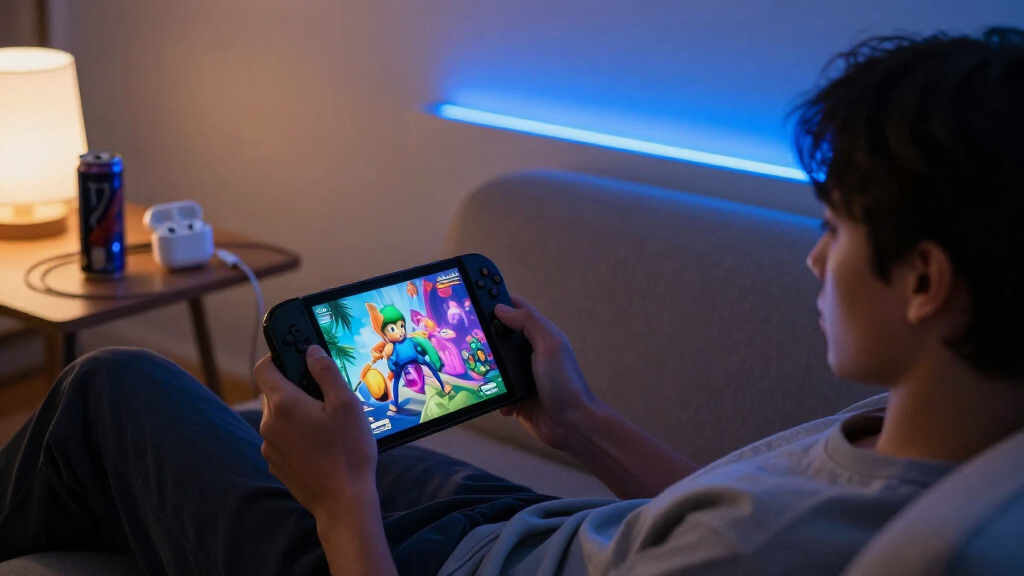
How We Picked
I evaluated each tablet through a single lens: how well it runs games. That meant prioritizing processor capability and sustained performance over marketing specs, since a weak chip throttles under extended gaming sessions regardless of how much RAM is installed. Display quality came next — refresh rate, resolution, and brightness directly affect how games look and feel, and a 120Hz panel genuinely changes fast-paced gameplay in a way a spec sheet can’t fully convey. I also weighed battery capacity, since gaming drains tablets faster than any other common use, and thermal behavior, because a tablet that overheats mid-match is a bad gaming tablet no matter its benchmarks.
Beyond the hardware itself, I judged ecosystem fit and total value. The iPad’s App Store library and long-term update support give it durability that budget Android tablets can’t match, while expandable storage and bundled accessories on Android models offset their shorter software lifespans. Products are ordered by how well they balance gaming performance with price and versatility — a cheap tablet that runs casual games reliably ranks above an expensive-feeling one that stutters on demanding titles. Where two models are nearly identical, like the TECLAST pair, the differentiating feature (in that case, 4G LTE) decided the order.
Factors to Consider When Choosing Best Gaming Tablets
Choosing a gaming tablet involves more than picking the fastest chip or the biggest screen. The specs that matter for gaming are different from the ones that matter for streaming or note-taking, and manufacturers often advertise the numbers that look best rather than the ones that improve gameplay. These are the factors I’d weigh before spending money on anything in this category.
Processor Over RAM: The Most Common Buying Mistake
The single biggest trap in budget Android tablets is the RAM count. You’ll see 24GB, 28GB, even 36GB advertised on tablets that cost a fraction of an iPad, and it’s tempting to assume more memory means better gaming. In practice, most of these figures combine physical RAM with virtual memory swapped from slow storage, and modern mobile games rarely need more than 8GB anyway. What limits game performance on these tablets is the processor — an entry-level octa-core chip will drop frames in graphically demanding titles no matter how much memory sits beside it. A better rule: compare chipset names and benchmark performance first, and treat RAM above 8–12GB as a bonus rather than a reason to buy.
Refresh Rate Only Matters If the Chip Can Keep Up
A 120Hz display is one of the few specs that genuinely transforms gaming — motion becomes smoother, touch input feels more responsive, and fast-paced games become easier to play well. But there’s a catch that manufacturers don’t advertise: a 120Hz screen only runs at 120 frames per second if the processor can render that many frames. Pair a high refresh panel with a weak chipset and you get a screen that’s smooth on the home screen but identical to 60Hz once a demanding game loads. Before paying extra for high refresh rate, check whether the processor is capable enough to feed it. This is why the TECLAST models punch above their weight — their displays and chips are at least reasonably matched.
Ecosystem and Game Library Availability
Hardware is only half the equation — the games you actually want to play must exist on your platform. Apple’s App Store consistently gets premium, console-quality titles first, and Apple Arcade offers a curated subscription library with no ads or in-app purchases. Android has a wider range of emulators, sideloaded apps, and cloud-gaming flexibility, but many high-end ports arrive late or never. Amazon’s Fire tablets sit in a third category: they run a forked version of Android without the Google Play Store by default, which limits you to Amazon’s Appstore unless you’re comfortable sideloading Google services. Match the ecosystem to your gaming habits before comparing a single spec.
Battery Capacity Versus Real-World Drain
Gaming is the most demanding thing you can ask a tablet battery to do, and advertised runtimes are almost always based on video playback, not gameplay. A tablet promising twelve hours of video might deliver four to five hours of serious gaming, and less if the screen runs at high brightness and high refresh rate simultaneously. Look for batteries of 8,000mAh or larger if long sessions matter to you, and pay attention to thermal design — a tablet that gets hot will both throttle performance and drain faster. Fast charging also deserves a look, since topping up between sessions is far more practical with 18W or higher charging than with the slow 10W bricks some budget tablets include.
Screen Size and Weight: The Portability Tradeoff
Bigger screens make games more immersive, but they work against the main reason many people choose a tablet over a console or laptop: portability. A 14-inch tablet like the URAO is fantastic for strategy games and slower titles where screen real estate helps, but holding it in landscape orientation for an action game quickly tires your hands. An 11-inch screen hits the sweet spot for most genres, while 10-inch and smaller models are easier to use one-handed and travel better. Think about how you physically hold the tablet during the games you play most — a spec neither the manufacturer nor most reviews will state outright.
Bundled Accessories: Value or Distraction?
Many budget Android tablets ship with keyboard, mouse, stylus, and case bundles that make the package look like an incredible deal. For gaming specifically, most of these accessories go unused — touchscreens and controllers are how mobile games are played, and bundled keyboards are usually flimsy membrane units you’d never choose separately. The exception is if you genuinely want a two-in-one device for schoolwork or light productivity alongside gaming, in which case a bundle saves real money versus buying accessories separately. Otherwise, compare the tablet’s standalone merits and treat the bundle as a tiebreaker, not a deciding factor. A mediocre tablet with a free keyboard is still a mediocre gaming tablet.
Frequently Asked Questions
Can a budget Android tablet really handle demanding games, or do I need an iPad?
It depends entirely on which games you play. Casual titles, most multiplayer shooters at medium settings, and cloud-gaming services run acceptably on modern budget octa-core chips, and the 120Hz panels on models like the TECLAST T65 make even mid-range performance feel smoother. Where the gap shows is in graphically demanding titles like Genshin Impact at high settings, where the iPad’s A16 chip holds frame rates that budget chips simply can’t sustain, especially after twenty minutes when thermal throttling kicks in. If you play competitively or care about maximum graphics settings, the iPad justifies its premium. If your library is mostly casual or cloud-streamed, a well-chosen Android tablet will serve you fine.
Do those huge RAM numbers on budget tablets (24GB–36GB) actually improve gaming?
Mostly no, and it’s worth understanding why before you buy. These figures typically combine 8–12GB of physical RAM with virtual memory borrowed from storage, which is much slower than real RAM. Mobile games are built to run on mainstream hardware, so very few titles benefit from more than 8GB of genuine memory. What virtual memory does help with is keeping more apps resident in the background so switching back to your game doesn’t force a reload — a real but modest benefit. If smooth gameplay is your goal, spend your money on a better processor and display rather than a bigger advertised RAM number.
Is a 120Hz display worth paying extra for on a gaming tablet?
For fast-paced games, yes — but only when the rest of the tablet keeps up. A 120Hz panel refreshes the image twice as often as a standard 60Hz screen, which makes motion clearer and touch input feel more immediate, a genuine advantage in shooters, racers, and rhythm games. The caveat is that the processor has to render enough frames to fill those refreshes; a weak chip on a 120Hz screen delivers the same choppy gameplay it would on a 60Hz one. The TECLAST models in this roundup pair high refresh panels with processors that can roughly feed them, which is why they stand out among budget options. For slow-paced strategy or puzzle games, refresh rate barely matters and isn’t worth a premium.
Should I buy the Amazon Fire HD 10 for gaming if I’m on a tight budget?
Only if your gaming diet is light. The Fire HD 10 handles casual puzzle, card, and match-three games perfectly well, and its Full HD screen makes them pleasant to play. But it runs Amazon’s Fire OS without the Google Play Store out of the box, so you’re limited to Amazon’s Appstore unless you sideload Google services — a process that works but adds friction and occasional breakage after updates. Its 4GB of RAM and modest processor also rule out demanding 3D titles. If your budget is truly fixed and you play casually, it’s a reasonable choice; if you can stretch even modestly further, the Samsung Galaxy Tab A11+ gives you full Android with noticeably better performance.
Is it better to get a cellular (4G/5G) tablet for online gaming, or is Wi-Fi enough?
For most people, Wi-Fi is enough, and I’d only pay for cellular under specific circumstances. Online multiplayer gaming is far more sensitive to latency and connection stability than to raw bandwidth, and a good home Wi-Fi network typically outperforms cellular for responsiveness. Cellular makes sense if you game during commutes, on trips, or anywhere reliable Wi-Fi doesn’t exist — the TECLAST 13.4-inch with 4G LTE is the pick in this lineup for that use case. One caution: a cellular connection with weak signal can introduce lag spikes that ruin competitive matches, so it’s a convenience feature more than a performance upgrade. Also check whether your carrier supports the tablet’s bands before buying, since budget tablets sometimes have limited cellular compatibility.
Conclusion
After comparing all fourteen tablets, the right choice comes down to what kind of gamer you are. For the best overall gaming tablet, the Apple iPad 11-inch (A16) is the clear winner — its chip runs games the Android options here can’t touch, and its software support will outlast every budget competitor by years. The best value pick is the Samsung Galaxy Tab A11+ with 8GB RAM and 256GB storage, which balances real performance, full Android access, and ample space for large game files. For best premium experience, the TECLAST T65 earns its place with a 13.4-inch 120Hz display that makes games look and feel smoother than anything else in this price territory.
If you’re a beginner or casual gamer, the Amazon Fire HD 10 covers the basics at the lowest entry point, provided you’re content with Amazon’s app selection. For big-screen and cloud gamers, the URAO 14-inch offers the largest canvas here, while the TECLAST 13.4 with 4G LTE suits anyone who games away from Wi-Fi. Students and productivity-focused buyers who also game should look at the TABWEE T90 or BESTTAB T60, whose keyboard bundles make them genuine two-in-one devices. Whatever you choose, remember the lesson from this comparison: judge a gaming tablet by its processor and display first, and treat RAM counts and bundled accessories as bonuses rather than reasons to buy.
Fall Picks
fall essentials
As an affiliate, we earn on qualifying purchases.