📊 Full opportunity report: Enhancing Remote Work Performance With Musculoskeletal Strength Testing on IdeaNavigator AI — validation score, market gap, and execution plan.
Get ready for Prime Big Deal Days — try Prime free
Exclusive member deals on October 6–7, plus fast free delivery. Cancel anytime.
Start your free trialAs an affiliate, we earn on qualifying purchases.
TL;DR

A new web and mobile-based strength, mobility, and posture assessment is being developed for remote employees to identify early musculoskeletal risks. Pilot programs aim to validate its effectiveness, potentially transforming corporate wellness strategies.
Developers are creating a remote, camera-based musculoskeletal (MSK) assessment tool designed to identify early signs of MSK decline among remote employees. This innovation targets HR, benefits, and total-rewards leaders at mid-to-large employers, especially those with self-insured plans, seeking to reduce rising MSK-related medical costs and absenteeism. The initiative responds to the surge in MSK issues caused by remote work’s sedentary nature and aims to shift from reactive treatment to proactive prevention.
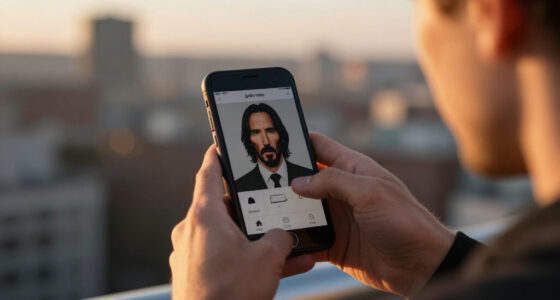
The proposed solution involves a 10-minute guided self-assessment accessible via smartphone or web browser. Employees perform simple strength, mobility, and posture tests, such as sit-to-stand repetitions, shoulder and hip range-of-motion exercises, and static holds like planks or wall-sits. The assessments leverage phone camera-based pose estimation technology to analyze movement quality and generate a personalized MSK risk score.
This score aims to flag early decline in musculoskeletal health before pain or injury occurs, allowing for targeted interventions. The system will also produce a short corrective routine and enable progress tracking over time. Employers will access a privacy-safe dashboard that aggregates team risk trends and engagement metrics, with the option to refer high-risk employees to clinical MSK or physical therapy providers.
Initial validation efforts involve deploying pilot programs with one or two employers over 60-90 days. Success metrics include high completion and retention rates, correlation of camera-derived risk scores with validated self-report questionnaires, and willingness of HR benefits teams to adopt paid pilot programs. The goal is to demonstrate the tool’s efficacy and engagement potential, paving the way for broader adoption.
Implications for Employee Health and Employer Costs
This technology could significantly reduce the incidence of MSK-related injuries and medical claims among remote workers by enabling early detection and intervention. As MSK issues are already among the top drivers of employer healthcare costs, especially in a remote work environment, the ability to proactively address these problems could lead to cost savings, improved employee well-being, and reduced absenteeism. Additionally, this approach aligns with the broader shift toward digital health solutions and personalized wellness programs, offering a scalable and privacy-conscious method for employers to support their distributed workforce.
As an affiliate, we earn on qualifying purchases.
Remote Work and the Rise of Musculoskeletal Problems
The shift to remote and hybrid work models has eliminated many incidental movements and ergonomic office setups that historically helped mitigate sedentary health risks. According to industry observations, this has led to a surge in neck, back, and posture-related MSK problems among knowledge workers. Employers report increased medical claims and workday disruptions linked to these issues, yet lack lightweight, scalable screening tools to identify employees at risk early.
Existing MSK programs tend to be reactive, focusing on treatment after pain manifests. The emergence of smartphone camera-based pose estimation technology has matured sufficiently to enable at-home assessments without sensors or in-person visits. This technological advance creates an opportunity for early screening, intervention, and potentially, prevention of costly MSK episodes, especially as remote work becomes a permanent arrangement for many organizations.
As an affiliate, we earn on qualifying purchases.
Validation and Adoption Challenges for Remote MSK Testing
It is still unclear how accurately the camera-based assessments will correlate with clinical evaluations, such as those performed by physical therapists. The success of pilot programs in achieving high engagement and reliable risk scoring remains to be seen. Additionally, questions about data privacy, employee acceptance, and integration with existing health benefits systems are still unresolved.
home mobility and strength testing kit
As an affiliate, we earn on qualifying purchases.
As an affiliate, we earn on qualifying purchases.
Next Steps for Pilot Deployment and Validation
Developers plan to launch pilot programs with one or two employers within the next 60-90 days. These pilots will test assessment completion rates, score validity, and user engagement. Results from these pilots will determine whether the technology can be scaled and integrated into broader employer health strategies. Further research and development will focus on refining scoring algorithms and expanding clinical referral pathways.
As an affiliate, we earn on qualifying purchases.
Key Questions
How does the remote musculoskeletal assessment work?
Employees perform a series of simple strength, mobility, and posture tests guided by the app, which uses their phone camera and pose estimation technology to analyze movement quality and generate a risk score.
What are the benefits for employers?
Employers can identify employees at early risk of MSK problems, potentially reducing costly medical claims and absenteeism. The system also provides aggregate data for team health trends and engagement metrics.
Is employee privacy protected?
Yes, the system is designed to be privacy-safe, with data anonymization and secure handling of assessment results. Personal health data is only accessible to authorized clinical partners with employee consent.
When will this technology be widely available?
Following pilot validation, broader deployment could occur within the next 12-18 months, depending on pilot success and regulatory considerations.
Can this assessment replace in-person clinical evaluations?
No, it is intended as a screening tool to flag early risks. Employees identified as high risk may be referred to clinical MSK or physical therapy providers for further assessment and treatment.
Source: IdeaNavigator AI
Fall Picks
fall essentials
As an affiliate, we earn on qualifying purchases.